
Last updated November 16, 2026
 Wrought iron
 Wood & steel frame
 Farm & ranch
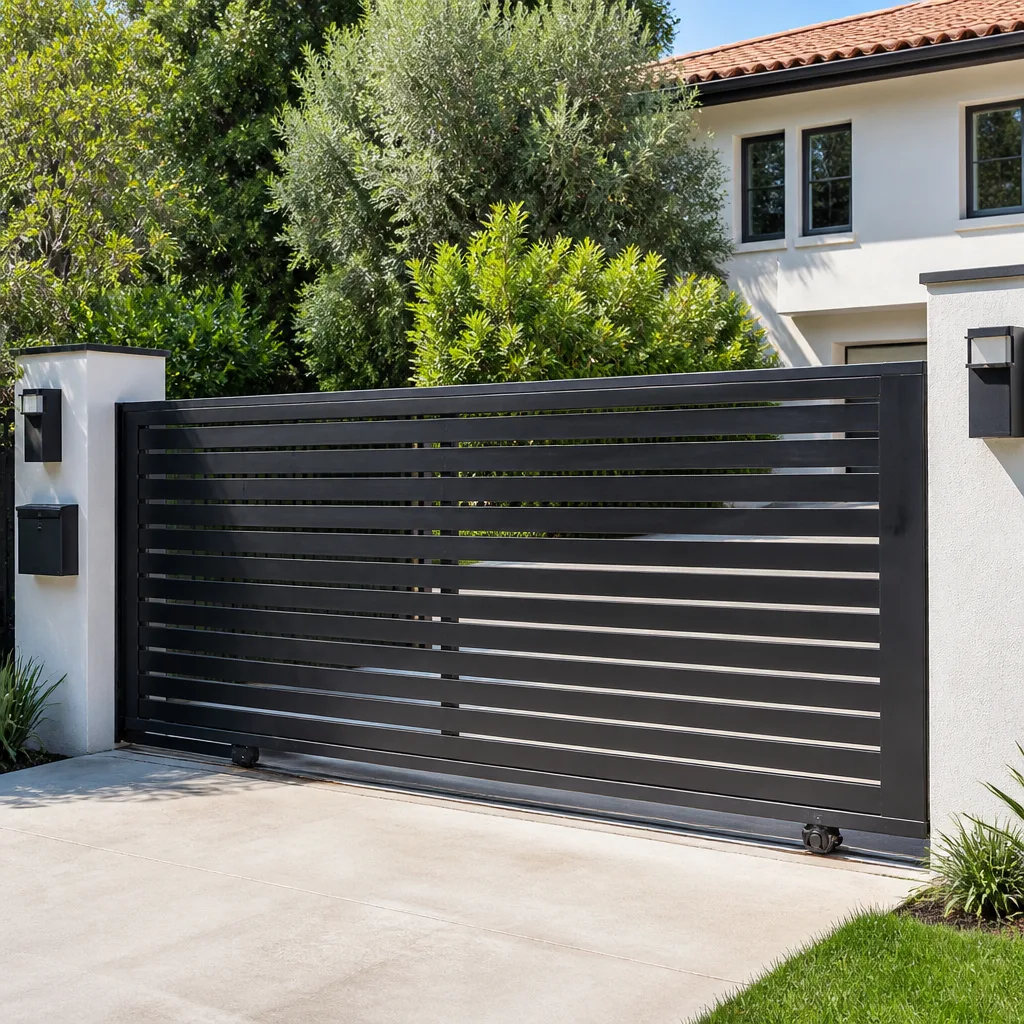 Sliding driveway gates
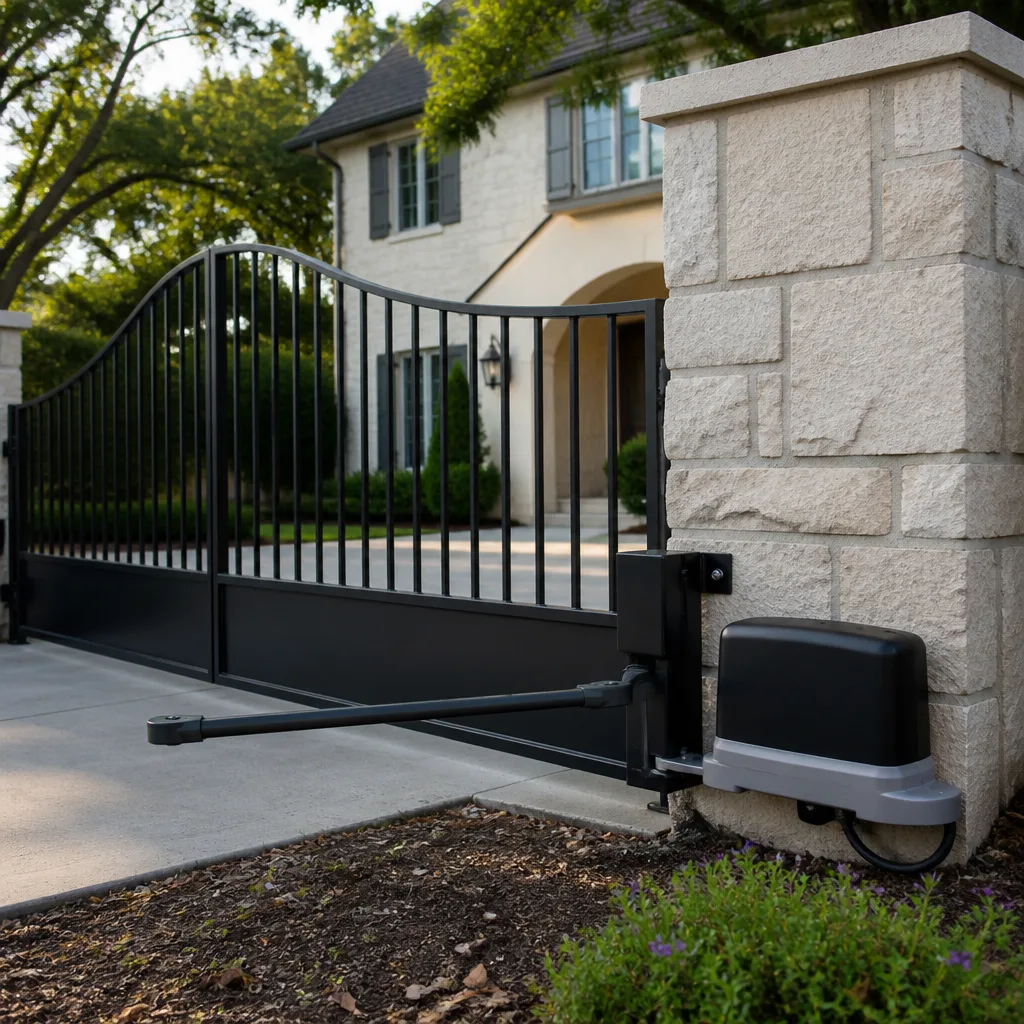 LiftMaster operators
Free on-site gate assessment - hinges, posts, and your LiftMaster or Nice gate operator checked before anything is quoted
The assessment is free and the quote is the invoice.
Get your free estimateHow to Hire a Gate Repair Contractor in San Bernardino: A Step-by-Step Guide
The most common complaint after a bad gate repair isn’t the price. It’s that the contractor who sounded qualified on the phone had clearly never opened a gate control board before they pulled into the driveway. In San Bernardino, where the gap between a true automated gate specialist and a fence installer filling a slow week is wider than most property owners realize, the interview you run before you hire matters more than the number on the estimate. This guide gives you the exact questions, estimate-reading rules, and reference checks to hire a gate specialist without overpaying. You’ll learn how to spot real diagnostic skill, what California licensing does and doesn’t cover for automated gates, and how to separate a specialist from a generalist before anyone touches your system.
Quick Answer
To hire a gate repair contractor in San Bernardino, verify three things before you book: that the company specializes in gates and automated operators rather than general fencing, that they can name the specific brand and failure mode on your system (Linear, Viking, DoorKing, LiftMaster, FAAC, and similar) before quoting, and that their estimate breaks out parts and labor as separate line items. Ask for a California license you can check, proof of insurance, and at least one reference from a gate job rather than a fence job. A specialist will answer all of it without hesitation; a generalist will pivot to price.
Styles & brands we work with
- Wrought iron
- Wood & steel frame
- Farm & ranch
- Sliding driveway gates
- LiftMaster operators
Table of Contents
- Specialist vs. Generalist: The Real Difference
- Five Questions That Separate Gate Specialists from Generalists
- What Licensing and Insurance Actually Cover in California
- How to Read a Gate Repair Estimate
- Red Flags in Contractor Communication
- Reference-Checking Specifically for Gate Work
- What Makes Gate Work Different in San Bernardino
- The Step-by-Step Hiring Checklist
Specialist vs. Generalist: The Real Difference
A gate specialist works on gates and gate systems every day. A generalist works on gates when a fence job happens to include an operator or a gate quote comes in between other work. On a manual swing gate with a sagging hinge, the two may perform identically. On an automated sliding gate with an electric gate repair problem, the gap is enormous.
Gate systems combine three trades: metal fabrication and mechanical alignment, low-voltage control wiring, and access hardware such as keypads, loops, and remote receivers. A specialist carries all three skill sets under one roof. A generalist usually has one and subcontracts or improvises the rest. That’s how you end up with a gate that opens but won’t close, a control board that keeps tripping because a limit switch was set by feel, or a brand-specific operator fault that gets misread as a mechanical problem.
In our experience, the single clearest tell is brand fluency. Ask who installed the operator and what brand it is. Then ask how that brand’s control board reports a fault. A technician who works across LiftMaster, FAAC, BFT, Linear, Viking, Ghost Controls, DoorKing, Elite, and Mighty Mule recognizes each brand’s diagnostic logic and knows where to look first. A generalist gives you a blank look or a generic answer about “checking the motor.”
For San Bernardino property owners with automated systems, this distinction drives cost as much as quality. Misdiagnosis means paying twice: once for a part that wasn’t the problem, again for the actual repair. Brand-specific diagnostic knowledge is what reduces unnecessary part replacement and repeat service calls. If you’re weighing whether to repair or replace, our gate repair page covers how that decision is usually made.
Five Questions That Separate Gate Specialists from Generalists
Ask these before you book. You’re not testing whether the person can answer from memory. You’re testing whether they can answer with specifics. A specialist will.
- “What brand is my operator, and how does its control board report a fault?” A real gate technician will ask you to read the model number off the operator or the board, then describe the diagnostic steps for that brand. If the answer is vague, they’ve probably never opened that board.
- “Do you do board-level diagnostics, or do you replace the whole board when something’s wrong?” Specialists test components, read fault codes, and often repair or replace a single relay or limit component. Generalists swap the entire board because they can’t isolate the fault. Board-swapping is faster to quote and more expensive to own.
- “What’s your guess at the failure mode before you come out?” A specialist can narrow the likely cause over the phone from a description: gate won’t fully close, reverses mid-travel, remote works but keypad doesn’t, operator hums but doesn’t move. A generalist asks for the address and quotes a visit.
- “Which brands do you service regularly?” Listen for named brands, not “all of them.” Our technicians work across Linear, Viking, Ghost Controls, DoorKing, and others, and brand familiarity is what cuts down on guesswork.
- “Can you give me a reference from a gate job that wasn’t a fence install?” If every reference is a fence replacement, they’re a fence company. Ask for a residential automated gate and a commercial gate job if you have one.
The fifth question is the one that separates the field fastest. Fence installers do pick up gate calls, and some are competent on simple manual gates. But automated and electric gate work is a different skill set, and it should be a named service line, not an afterthought bolted onto a fence crew’s schedule.
What Licensing and Insurance Actually Cover in California
California requires contractors to be licensed for the work they perform, and gate installation and repair fall under contractor licensing depending on scope. The license should be current and verifiable through the state’s licensing board. Always check the license number yourself rather than accepting a card. A contractor who hesitates or deflects on a license question is telling you something.
Insurance is a separate question, and it’s where property owners most often get caught. Two types matter for gate work:
- General liability insurance covers damage to your property during the job: a damaged gate panel, a cracked driveway, a broken fence post. Ask for a certificate of insurance and verify the company name and policy dates.
- Workers’ compensation covers injuries to anyone working on your property. If a technician is injured on your gate and the company has no workers’ comp, the exposure can land on you. Ask for proof.
What those policies usually do not cover, despite what the person on the phone might imply: the cost of a defective install, a warranty claim on the work itself, or damage from a gate that fails because it was set up wrong. Insurance protects against accidents and property damage. It doesn’t underwrite workmanship. That’s why the written estimate and a clear warranty statement matter alongside the insurance certificate.
One more thing people ask about in San Bernardino: permits. Automated gate installations and electrical connections may trigger permit requirements at the city or county level depending on scope. Ask the city’s building department directly about your specific job, and ask the contractor whether they handle permitting and who pulls the permit. The answer to that last question is a good sharp test of whether the company has done this before.
How to Read a Gate Repair Estimate
A repair estimate reveals more about the contractor than the price does. Here’s how to read it line by line.
Good signs:
- Parts listed individually by name and function (e.g., operator control board, limit switch, photo-eye sensor pair, hinge, roller, guide).
- Labor broken out separately, with a stated scope (“replace photo-eye pair and realign safety sensors, test reversing function”).
- A diagnosis section naming the failure mode, not just the fix.
- A clear statement that the price is quoted and agreed before any work starts.
- A warranty line covering labor and parts if applicable.
Warning signs:
- One lump-sum labor charge with no parts breakdown. That’s how scope hides. You can’t tell whether you’re paying for a board, a technician hour, or both.
- No diagnosis, only a fix. An estimate that jumps straight to “replace operator: $X” without telling you why is a sales document, not a repair plan.
- Bundled “tune-up and correction” line items that could mean anything.
- No written warranty.
An estimate should answer three questions in writing: what failed, why it failed, and what it costs to fix it. If the estimate skips the first two and leads with the third, ask for the diagnosis in writing before you sign anything. This is also your leverage against the invoice growing past the quote.
Red Flags in Contractor Communication
Before the technician arrives, the communication tells you most of what you need to know. Watch for these:
- Vague timelines. “Sometime this week” is not a commitment. A specialist schedules a visit window and honors it. Our phones are answered 24/7, and we dispatch Sunday through Friday, 7am to 7pm, so you’ll know when to expect someone.
- Refusal to name a likely failure mode before quoting. If the phone call can’t narrow down what might be wrong, you’re paying for a diagnostic visit with no expectation. A specialist will give you a short list of likely causes and a rough scope, not a number with no basis.
- Upsell pressure before diagnosis. If the first call includes a suggestion to “replace the whole system,” that’s a red flag. A replacement may be right, but only after the existing system is actually inspected.
- No brand question. If the first call doesn’t ask what brand of operator you have, they aren’t set up to diagnose it.
- Pressure to skip the written estimate. Reputable companies quote in writing. Verbal-only pricing is where the dispute happens afterward.
- No follow-up to your questions. A specialist answers questions about how the system works. A generalist dodges them.
One caution: emotional pressure is subtle. You’ll feel it as eagerness to close the job on the call, an insistence that the system “could fail any day now,” or a refusal to let you compare estimates. None of that is normal for a repair.
Reference-Checking Specifically for Gate Work
References are only useful if you ask questions that reveal competency, not politeness. Here’s how to check a gate repair reference well:
- Ask what the gate was doing when they called. If they can’t describe the symptom, the job was likely a fence install. Listen for specifics: would open but wouldn’t close, remote worked but keypad didn’t, gate reversed randomly.
- Ask whether the contractor diagnosed the failure before quoting. A client who was told “this component is failing and here’s why” had a specialist. A client who was quoted a flat number without diagnosis had a generalist.
- Ask if the fix held. The real test of a gate repair is whether it lasted through a year of daily use, not whether the gate opened once before the invoice cleared. Ask how long it’s been since the work.
- Ask what brand the gate system was. If they can name the brand and say the contractor recognized it, you’ve got a real specialist reference. Brand fluency shows up in client memory.
- Ask if they’d hire the same company again, and why. “They were nice” is not why. “They knew the controller and didn’t try to sell me a new motor” is.
Two useful references beat one polished testimonial. If a company can’t produce a gate-specific reference at all, treat that as a no.
What Makes Gate Work Different in San Bernardino
San Bernardino sits in an inland valley with hot summers and dry air. That climate affects gate systems in ways a coastal installer won’t think about. Heat and sun exposure dry out lubricants faster, warp wood panels, and stress the plastic and rubber components in operator hardware. Dust and grit work into tracks and rollers, which accelerates wear on sliding gate systems. If your gate faces west into the afternoon sun, the metal expands and contracts through the day, and a gate that was set up perfectly can start to bind in heat. These are the local observations that proper maintenance is designed around.
San Bernardino also has a mix of property types that shape the work. Single-family homes often use lighter-duty operators from Mighty Mule and Ghost Controls. HOAs and gated communities typically run commercial-grade hardware from LiftMaster, FAAC, BFT, DoorKing, and Elite, where access control and multiple-vehicle entry matter. Commercial properties, warehouses, and multi-unit buildings lean heavily on control-board logic and access hardware, which is exactly the work that separates a specialist from a fence crew. If you’re a property manager dealing with a multi-entry system, the questions about board-level diagnostics matter more, not less.
The neighborhoods themselves vary, and so do the gates. Older residential gates in parts of the city are often manual swing or sliding gates with add-on operators. Newer communities install integrated automated systems from day one. Both need a contractor who can read the system as a whole rather than treat the operator like an electric motor bolted to a gate.
The Step-by-Step Hiring Checklist
Here’s the process in order. It takes about two calls to complete.
- Identify your gate type. Manual or automated. Swing or slide. Note the brand of the operator if you can read it off the housing or the board label. That single fact steers every conversation after it.
- Describe the symptom precisely. “It won’t close” is less useful than “it opens fully, then reverses after three seconds.” The more precise your description, the more a specialist can tell you before arriving.
- Ask the five qualifying questions. Brand question first, board-level diagnostics second, reference third. Those three filter the list fast.
- Request a written estimate with parts and labor separated. Don’t accept a flat number. Ask for the diagnosis in writing.
- Verify license and insurance. Check the license number through the state and ask for a certificate of insurance naming the company.
- Confirm the price is quoted and agreed before work starts. Get that in writing too. This protects you from the estimate growing into an invoice.
- Ask about the warranty. A written warranty on labor and parts is standard for a specialist.
- Call the gate-specific reference. Use the question set above. One real reference beats three polite ones.
If a company stalls at any step, move on. There’s no penalty for being thorough on your own property.
Common Mistakes to Avoid
- Hiring a fence installer and assuming they’ll figure out the operator. They may be excellent fence contractors, but gate automation is a separate skill. Ask specifically whether automated and electric gate repair is a named service line.
- Choosing on price alone. The lowest quote is often a board-swap or a single-part guess with no diagnosis. The repair costs more when it doesn’t hold. Cost is a factor, but brand fluency and diagnosis are the bigger predictors of outcome.
- Accepting a lump-sum quote. A quote with no parts breakdown hides scope. You can’t tell what you’re paying for, and disputes get ugly afterward. Insist on itemized pricing.
- Skipping the reference check. Even one gate-specific reference reveals competency. If a company can’t produce one, that’s information.
- Letting a generalist pull a permit they don’t know how to handle. Ask who pulls the permit and confirm it with the city. Automated gate installs often cross into permit territory, and a specialist has done this before.
- Letting the technician access the control panel before you’ve agreed on price. The written estimate comes first. Diagnosis is part of the visit, but the contract is set before work starts.
- Ignoring board-level diagnostics in favor of motor replacement. If the tech’s first recommendation is “replace the operator” without isolating the fault, ask what specifically failed on the board. The answer tells you everything.
See the difference
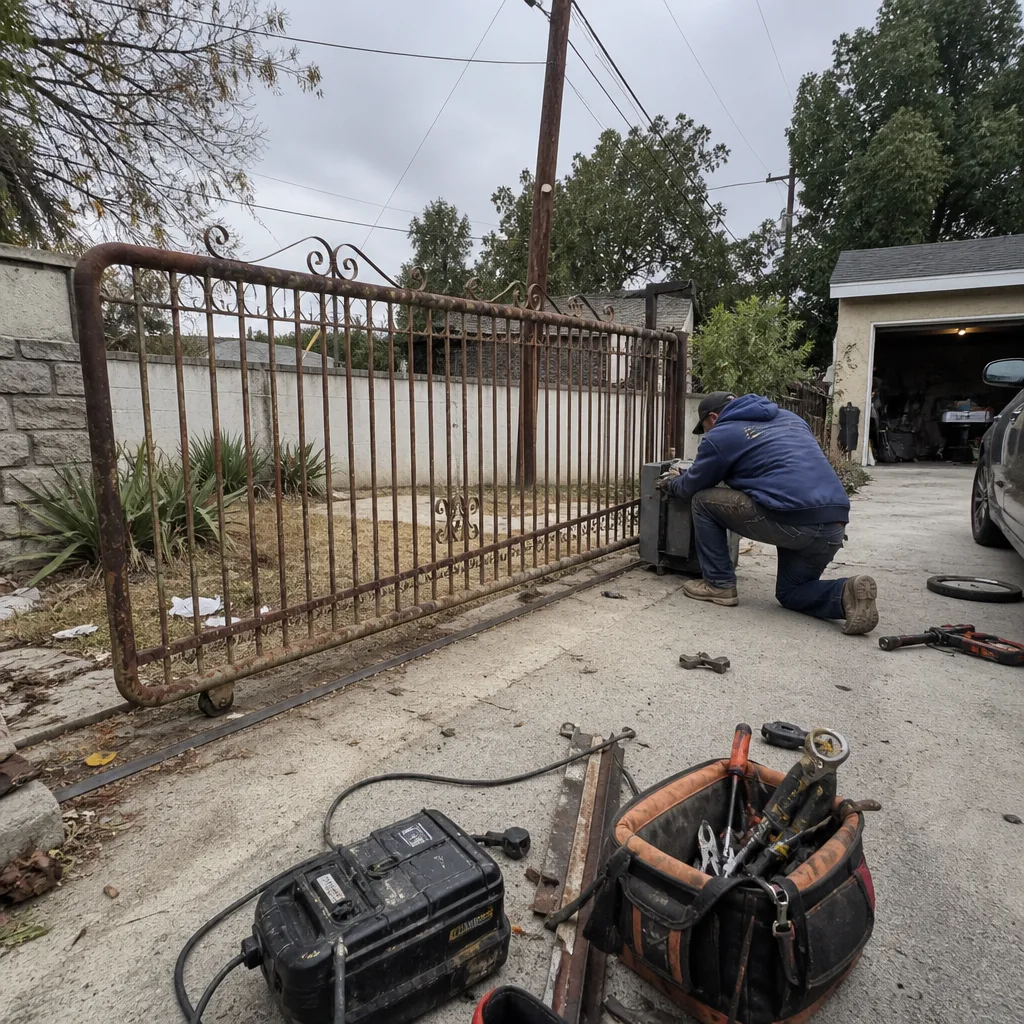 Before
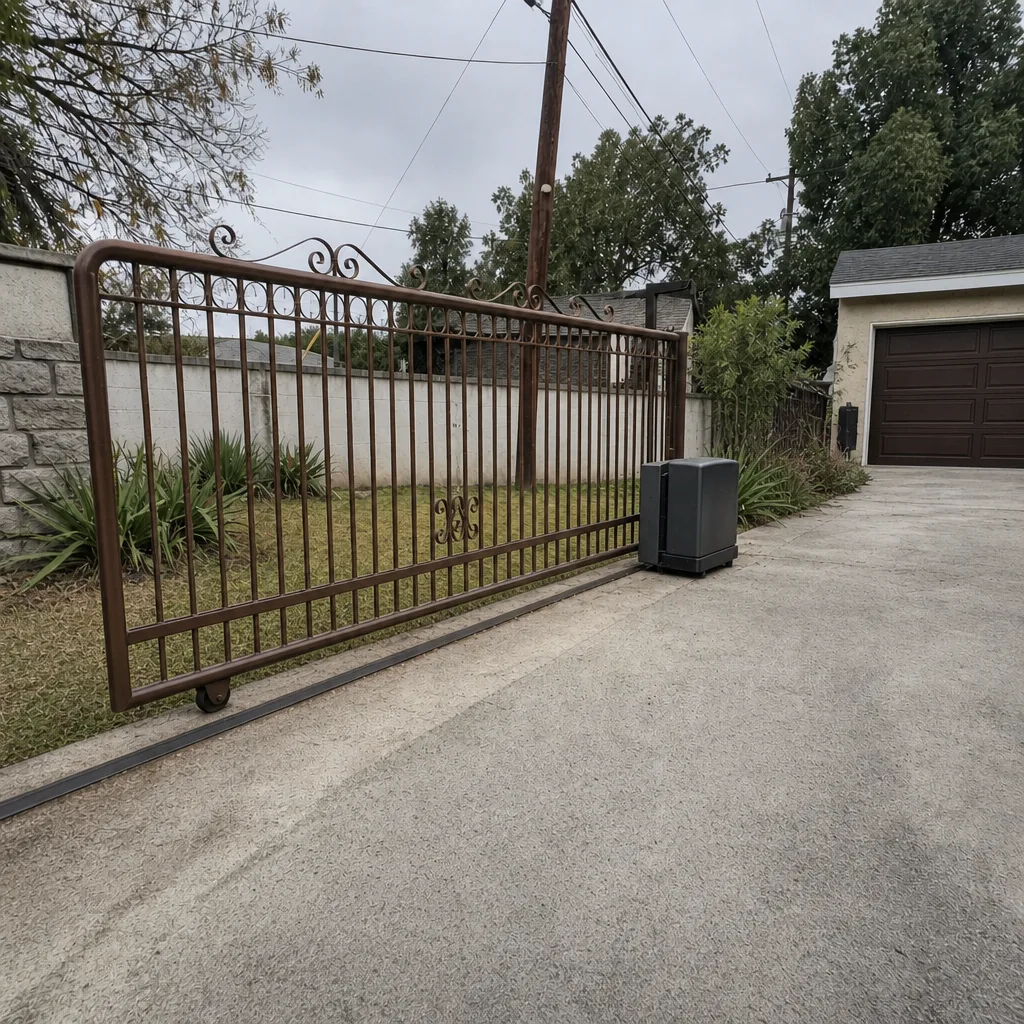 After
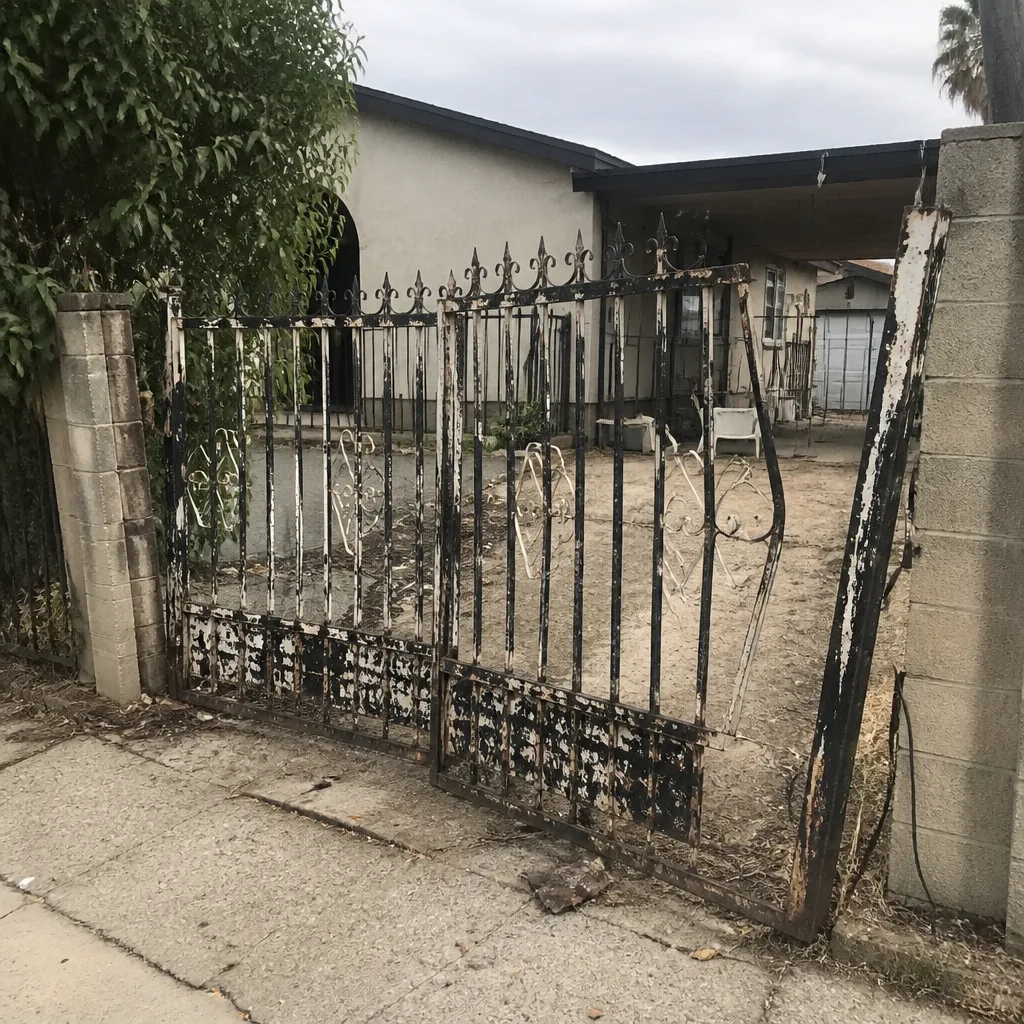 Before
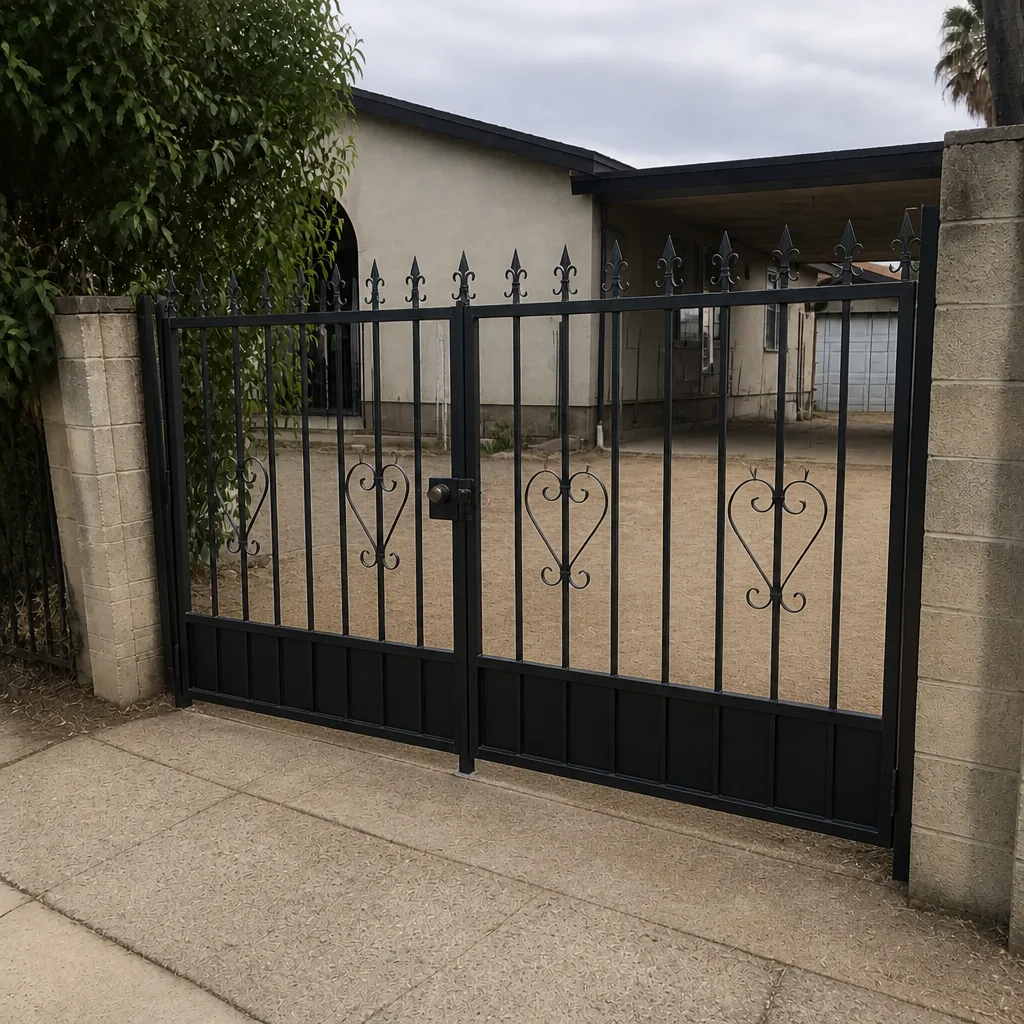 After
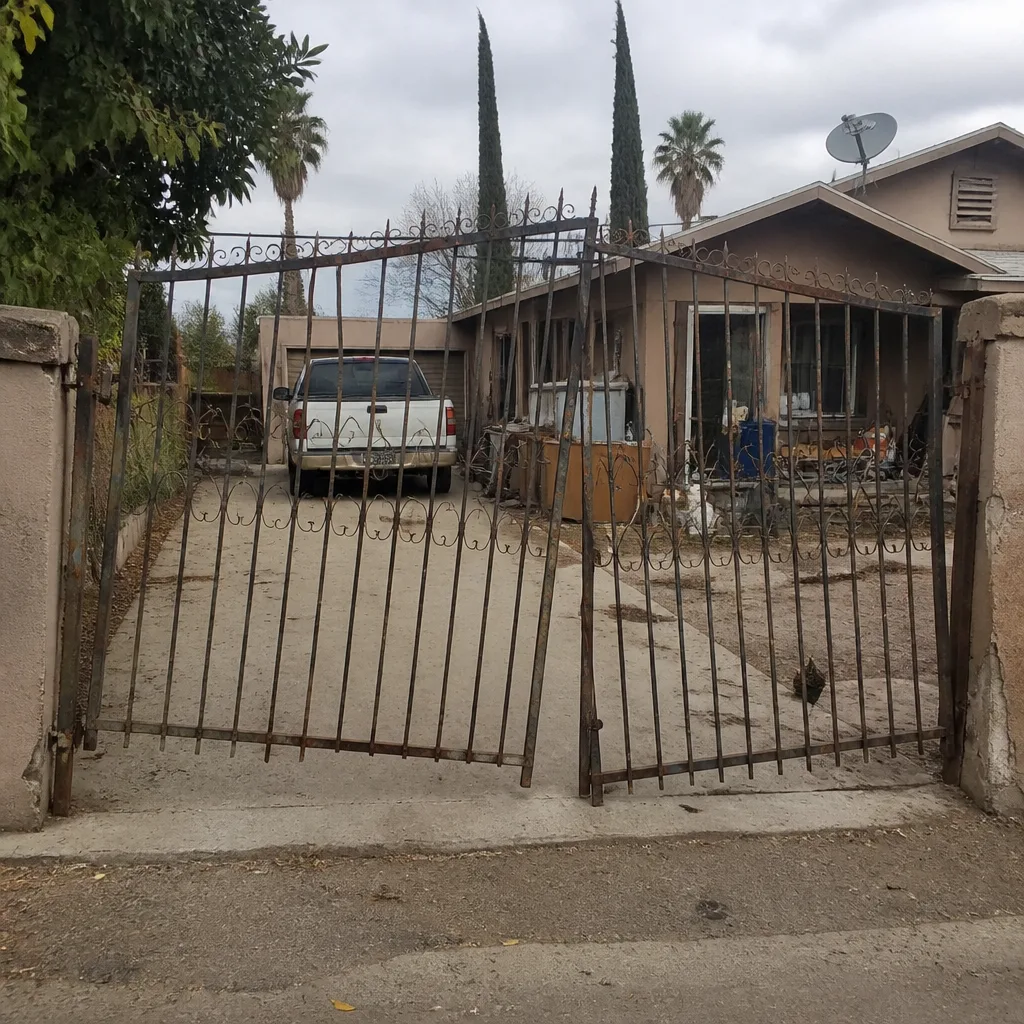 Before
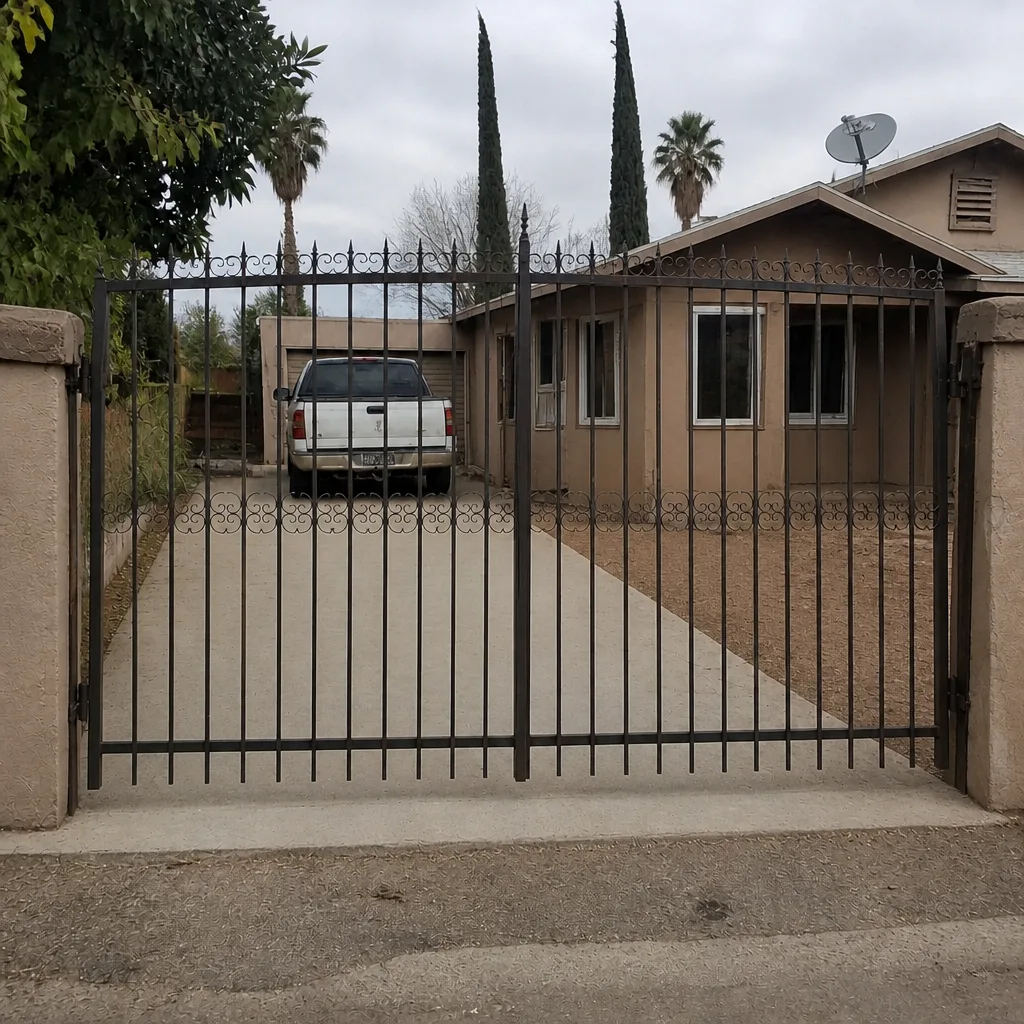 After
When to Call a Professional
Some gate problems are a nuisance. Some are a real liability. If your gate reverses mid-travel, stops on one side, or runs with a slack chain, the operator’s control logic is likely at fault, and the safe path is a specialist. If a slide gate has come off its track or a panel is unstable, don’t run it. If you smell burning from the control panel or hear unusual humming, cut the power at the breaker and call someone trained on that system’s wiring before you consider DIY. Safety edges and reversing sensors that fail are a safety issue, not an inconvenience, especially on an automated residential or commercial gate. If you’re not sure whether it’s wiring, mechanical, or the board itself, call and describe the symptom. Valor Gate Repair offers free estimates in San Bernardino. Call (866) 389-3501. We answer 24/7. Fast dispatch from 7am to 7pm, Sunday through Friday.
Frequently Asked Questions
Ask them to name the likely failure mode before quoting, describe the diagnostic steps for your operator’s brand, and supply a gate-specific reference. A specialist answers all three without hesitation, and can discuss the brand on your system by name. A generalist pivots to price or asks for a visit before saying anything useful.
In California, contractors need to be licensed for the work they perform, and automated gate work falls under contractor licensing depending on scope. Always verify the license number through the state licensing board rather than taking a card at face value. If you’re unsure whether your specific job needs a permit, ask the city directly.
A written diagnosis, itemized parts, itemized labor with a stated scope, and a clear statement that the price is quoted and agreed before work starts. Avoid estimates with one lump-sum labor line. A written warranty should be included too. If a company won’t itemize, ask why before you sign.
The clearest red flag is a quote with no diagnosis and no parts breakdown. A second warning sign is a recommendation to replace the entire system before the tech has inspected the existing one. Ask what specifically failed, whether the fault was isolated, and whether the repair holds a warranty. If those answers are vague, get a second estimate.
Yes, and that’s where the real money gets lost. Each control board reports faults in its own way, and a technician without brand familiarity can read a limit-switch issue as a motor failure. That leads to unnecessary part replacement and repeat service calls. Brand-specific diagnostics is the single biggest lever on total cost.
Call (866) 389-3501. We answer 24/7. Fast dispatch from 7am to 7pm, Sunday through Friday. A call outside dispatch hours is booked into the next opening, Sunday through Friday, 7am to 7pm. Same-day visits are often possible for repair, though installs need a scheduled measure and written quote.
The Bottom Line
Hiring a gate repair contractor in San Bernardino is a qualification exercise, not a price comparison. The specialist questions are simple: name the brand, isolate the failure before quoting, break out parts and labor, and produce a gate-specific reference. A company that answers those beats a company with a lower number every time. The generalist quote you save $100 on today can cost three times that in a repeat visit after a wrong part swap. For property owners, HOA managers, and commercial site supervisors in San Bernardino, the right hire is one who reads your system before touching it. That’s the whole of it. Valor Gate Repair is a gate specialist: repair, electric gate repair, and installation for LiftMaster, FAAC, BFT, Linear, Viking, Ghost Controls, DoorKing, Elite, and Mighty Mule. Our technicians have up to 13 years of experience. Call (866) 389-3501. We answer 24/7, with fast dispatch from 7am to 7pm, Sunday through Friday. Free estimates. The price is quoted and agreed before any work starts.
Written by the team at Valor Gate Repair.