
Last updated November 16, 2026
 Wrought iron
 Wood & steel frame
 Farm & ranch
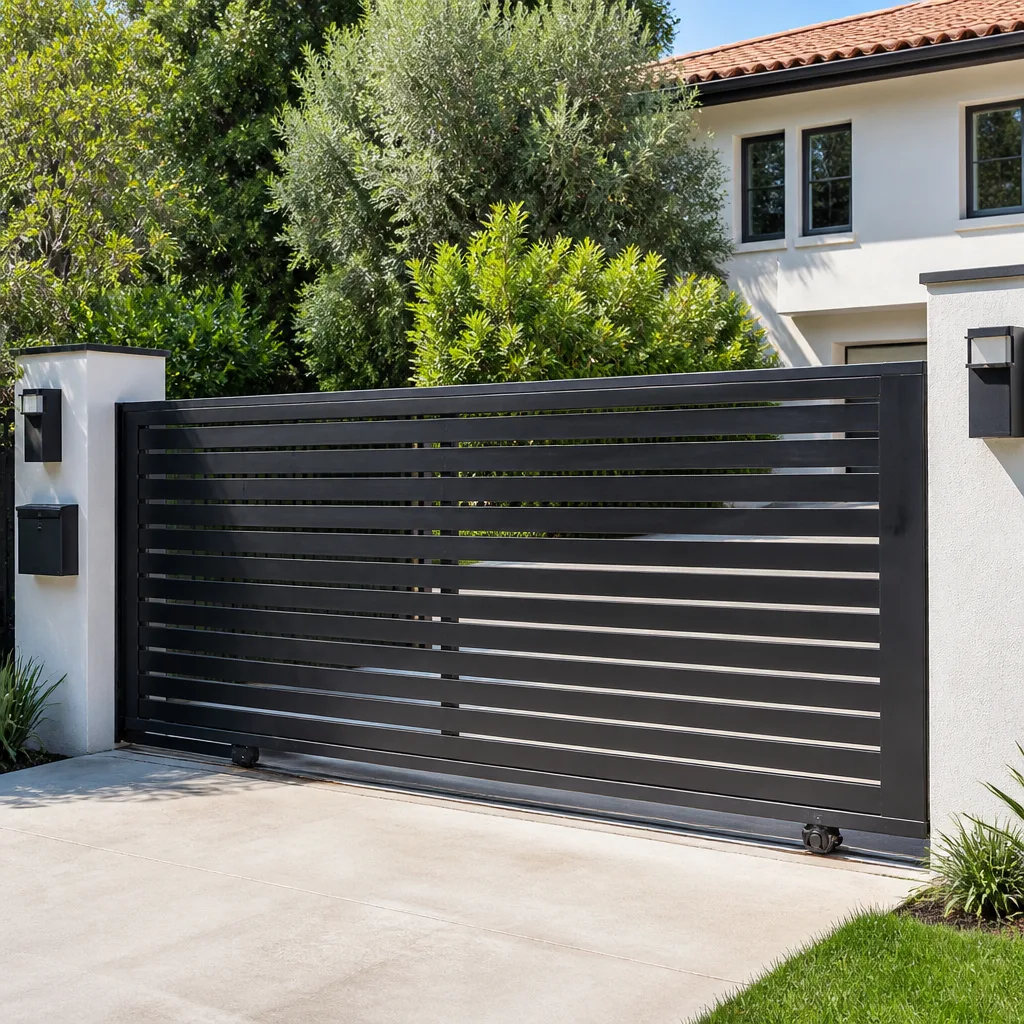 Sliding driveway gates
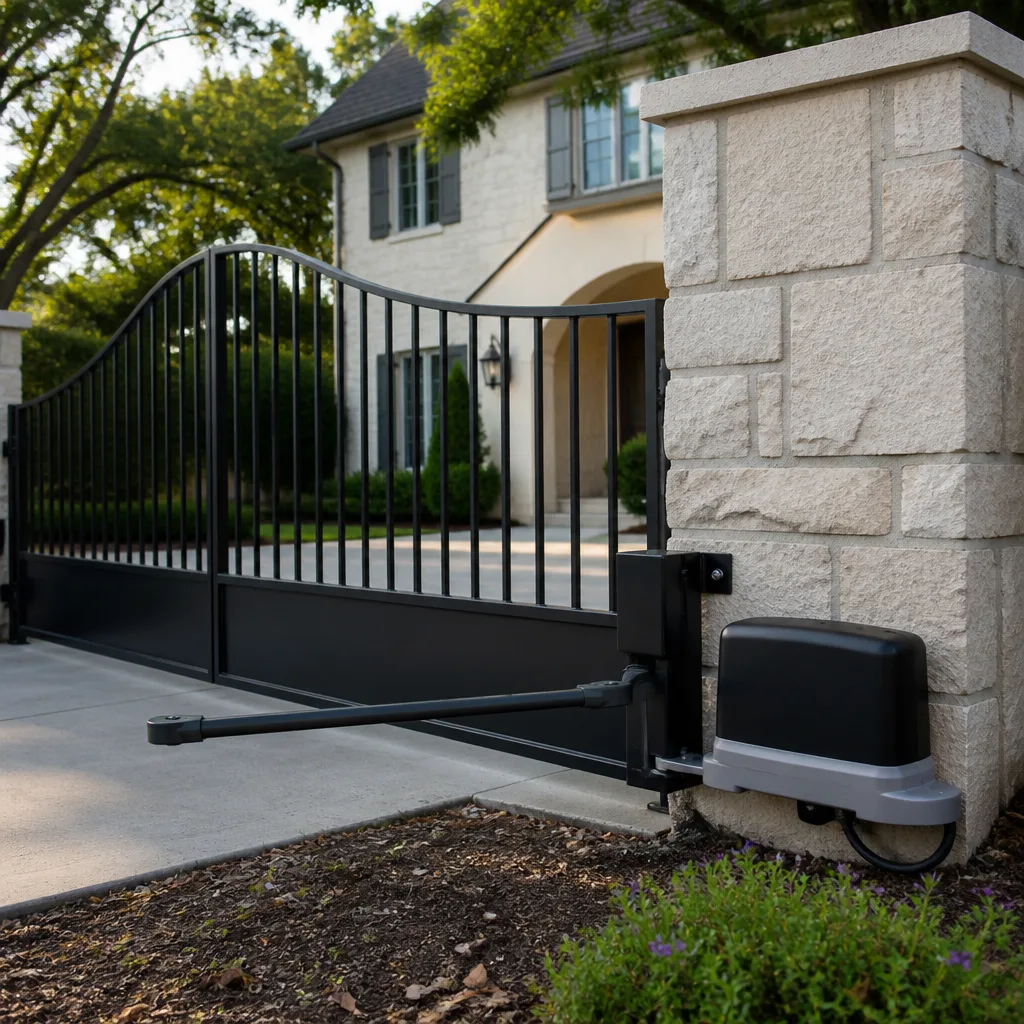 LiftMaster operators
Free on-site gate assessment - hinges, posts, and your LiftMaster or Nice gate operator checked before anything is quoted
The assessment is free and the quote is the invoice.
Get your free estimateChoosing the Right Gate Repair Brand: A Buyer’s Guide for San Bernardino
A brand with a five-star spec sheet becomes a liability if the nearest parts source is a drive away and your gate is stuck closed. That’s the uncomfortable truth most gate buying guides skip. The “best” operator brand in San Bernardino isn’t decided by horsepower ratings or brochure gloss. It’s decided by gate weight, how many times a day the thing cycles, how much sun it bakes in, and whether a local technician can actually get the part. This guide walks through the brands installed across the Inland Empire, how each one really holds up here, and how to choose one you won’t regret in year six.
Quick Answer
There’s no single best gate operator brand for every San Bernardino property. LiftMaster, FAAC, Viking, BFT, and Linear all work well here, but the right pick depends on your gate’s weight, how many cycles it runs per day, sun exposure, and local parts availability. For most residential driveways, a residential-rated LiftMaster or FAAC operator with parts a technician can source quickly will outlast a higher-spec unit no one can service. Weigh serviceability as heavily as the spec sheet.
Styles & brands we work with
- Wrought iron
- Wood & steel frame
- Farm & ranch
- Sliding driveway gates
- LiftMaster operators
Table of Contents
- Why brand choice matters more in San Bernardino than the spec sheet suggests
- Parts availability by brand in the Inland Empire
- How operators handle San Bernardino heat
- Cycle rating reality check: residential vs. commercial operators
- Brand-specific failure modes after 5 to 7 years
- Repair vs. replace: the part-cost math
- When an off-brand operator becomes a repair dead-end
- How to choose a brand in 6 steps
Why brand choice matters more in San Bernardino than the spec sheet suggests
Gate operators are installed to work in the place they’re bolted to, and San Bernardino asks a lot of them. Long stretches of triple-digit summer heat, dust blowing in from the open land around the valley, and driveways that face afternoon sun on a west-facing gate all push a motor harder than a mild-climate install. An operator that rates beautifully on a cool-climate test bench still has to run in that. The brand decides which parts cool, which control boards tolerate heat, and which repair a local technician can do this week instead of next.
Property type adds a layer on top of climate. A homeowner in a foothill neighborhood gates a single driveway that cycles a few times a day. An HOA manages a shared entry that might cycle dozens of times a day. A commercial yard off a busy corridor runs an operator hundreds of times a day. Those three jobs ask completely different things of the same brand. A unit that’s a sensible pick for one can be a costly mismatch for another, and the failure shows up in year three rather than year ten.
We’ve seen the pattern repeat across San Bernardino: a property owner buys the highest-horsepower operator they can find, then discovers the failure part isn’t stocked anywhere nearby. The power was fine. The serviceability was the problem. That’s why this guide leads with parts and durability first, spec second. Our technicians have up to 13 years of experience diagnosing exactly this mismatch.
Reading this before you commit to a brand, or before you replace one, keeps you out of the “we don’t service that model” dead-end that leaves people buying a whole new system when they only needed a control board. That’s a general observation about how the market works, not a sales pitch. It just happens to be true almost everywhere automated gates are sold too cheaply and serviced too thinly.
Parts availability by brand in the Inland Empire
The single most practical brand decision for San Bernardino property owners is whether a technician can get the part without waiting on a shipment. Common brands handled by working gate technicians, like LiftMaster, FAAC, BFT, Linear, and Viking, tend to have parts that can be sourced quickly enough to keep a same-day or next-visit repair on track. An uncommon or discontinued operator can mean days of downtime while a component ships in. The brand you can fix beats the brand that looks best on paper.
Here’s how parts availability tends to break down in this market:
- Quick-sourced parts (often same-day or next visit): brands with wide service coverage like LiftMaster, FAAC, Viking, and Linear. Control boards, limit switches, reversibility modules, and photo-eye sets are commonly on hand or available locally.
- Ordered, next-day or later: some commercial operators and older FAAC or BFT models where the exact board revision has to match. These are still very repairable, they just cost a visit.
- Shipped from a wider distributor network: off-brand or discontinued operators, particularly ones installed by a previous owner. Often workable, occasionally a dead end.
What this means for a San Bernardino driveway is simple: if your gate fails on a hot weekday, brand fluency is what saves you. Familiar brands mean the technician recognizes the fault, the part exists, and the repair happens. When you have the choice of brands at installation, ask which one has a parts route you can trust, and don’t treat “we can get it from anywhere” as reassurance. The parts you need during a repair are the ones that are actually close at hand.
How operators handle San Bernardino heat
Sustained heat is the quiet killer of gate operators. The Inland Empire’s long hot summer means an operator running a cycling gate accumulates heat in the motor housing and control board, and a west-facing gate gets the worst of it. Brands differ in how their control logic and hardware handle that. Some run the motor more conservatively under load and manage thermal behavior well. Others run harder and show the damage in the control board first. That’s the difference you don’t read about in a spec sheet.
Heat performance by brand, based on what we see most often in San Bernardino:
- LiftMaster: residential operators with durable control boards and predictable thermal behavior. A common, sensible pick for sun-facing residential driveways where cycles are moderate.
- FAAC: strong at higher duty cycles and commercial applications, with control logic that handles heat and load well when the model is correctly sized. Sensitive to undersizing.
- BFT: solid heat tolerance on mid-weight gates, though a board revision issue can turn a straightforward repair into a two-visit job if it needs ordering.
- Viking: dependable for lighter residential gates and comfortably heat-tolerant. Fewer surprises, though the range is narrower than commercial-oriented brands.
- Linear: good for basic residential jobs and reasonable in heat, though it rewards a properly sized operator and clean control hardware over anything else.
The practical takeaway: for a San Bernardino residential gate facing afternoon sun, choose a residential operator sized slightly above the gate’s weight rather than at the edge of its rating. Oversizing by a small margin gives the motor headroom in heat. That single choice does more for lifespan than any brand badge in a hot-climate install.
Cycle rating reality check: residential vs. commercial operators
Cycle ratings are where buyers get misled most often. A residential-rated operator is built for a modest number of cycles per day, and that’s the right call for most San Bernardino homes. Put that same operator on a shared HOA entry that cycles heavily or a commercial gate that works nonstop, and you’ll be repairing it well before its time. The brand badge doesn’t fix a cycle mismatch, and buying a lower-spec brand won’t save the situation either. The right operator for the job matters more than the logo on it.
Run the numbers before you choose:
- Count cycles per day. A single residence might run five to twenty cycles a day. An HOA entry might run dozens. A commercial gate can run hundreds. Write the real number down.
- Match the rating to the count. Residential operators are designed for residential duty. Commercial gates need commercial-rated operators, full stop.
- Add the operating margin. Size up one tier above your counted need, not right at it, especially in San Bernardino heat.
- Check brand parts support before you commit. A commercial operator you can’t get parts for is a liability regardless of its rating.
In our experience in San Bernardino, the costly misdiagnosis is almost always the same: a smart property manager buys a residential operator to save a little on the front end, and the operator is worn down inside a couple of years. Replacement costs more than the commercial unit would have. A few minutes spent counting real cycles avoids that entirely.
Brand-specific failure modes after 5 to 7 years
Every operator brand has a signature wear pattern after about 5 to 7 years of service, and knowing it helps you spot trouble early and decide repair versus replace with clear eyes. These aren’t defects. They’re the parts that take the load, run hot, and eventually give. The brand tells you where to look first.
- LiftMaster: control board failures first, then limit switches and gear wear. When the board fails, it’s usually repairable with a replacement board if parts are available locally, which they tend to be.
- FAAC: boards and motor-related wear on higher-cycle models. Undersized installations fail sooner, and board revisions need to match, so a genuine branded part matters here.
- BFT: control boards and photo-eye components are the common wear points. Repairable, though the board revision issue can add a visit if the exact part has to be ordered.
- Viking: mechanical wear and micro-switches on lighter gates. Straightforward repairs on common residential setups and rarely a parts issue.
- Linear: board and limit-switch wear on residential systems. A durable operator for its class when properly sized, with repair costs generally manageable.
What does this mean for San Bernardino? A gate installed in 2018 on a hot, sun-exposed driveway is likely starting to show these patterns now. Spotting a failing control board or a limit switch before it strands the gate saves the day. Recognizing the wear pattern of your specific brand is where a technician’s brand fluency pays off, because they’re looking at the right part first instead of guessing.
Repair vs. replace: the part-cost math
After 5 to 7 years, the question is always repair or replace, and the honest answer depends on the cost of the failure against the remaining life of the operator. A control board or photo-eye set is often a repair worth doing. A motor or gearbox failure at that age often makes a full replacement the smarter spend, especially on a residential operator already near its cycle limit. The part cost, not the brand, decides more often than not.
Here’s the decision framework we’d use on any San Bernardino gate:
- Identify the failed part. A control board, photo eye, limit switch, or micro-switch is usually a repair.
- Weigh part cost against remaining life. If the part costs a meaningful fraction of a new operator and the unit is past 7 years, replacement makes better sense.
- Check the cycle history. A residential operator on a heavily cycled gate is likely nearing its limit regardless of the part.
- Check parts availability. If the exact part can’t be sourced reasonably, the repair turns into a replacement discussion.
- Confirm the gate itself is sound. A worn hinge or a misaligned track can kill a new operator just as fast, so fix the hardware too.
The costly mistakes here are both directions of overreach. Replacing a $200-board repair with a whole new operator wastes money. Chasing repairs on a residential unit already past its cycle limit throws good money after a tired motor. Brand-aware diagnostics is what keeps the decision honest. The written estimate should show the single price and what it covers, agreed before any work starts.
When an off-brand operator becomes a repair dead-end
Plenty of San Bernardino properties are gated with an operator the previous owner installed, and sometimes that operator is a brand that no longer has a parts route worth using. That’s the dead-end. The gate isn’t broken because the brand is bad. The gate is stuck because the part the technician needs has to ship in from somewhere far away, or isn’t made anymore at all. That pileup of delay is what turns a simple repair into a whole-system replacement discussion.
When that happens, the replacement decision is more straightforward than it feels:
- Diagnose first, don’t assume. Confirm the exact part and whether it’s genuinely unobtainable before pricing a replacement.
- Pick a brand with real local parts coverage. Going from an orphan operator to a common brand like LiftMaster, FAAC, Viking, or Linear is the biggest single upgrade to future serviceability.
- Match the new operator to the gate and cycle count. Don’t inherit the same mismatch that put you here.
- Keep the gate hardware you have if it’s sound. A new operator on a good gate is often the whole job.
An off-brand install isn’t a curse. It’s just a decision to replace rather than repair, and knowing that early saves a week of waiting on a part that wasn’t going to arrive. An electric gate repair specialist can tell the difference between a real dead-end and a routine repair on the first visit.
How to choose a brand in 6 steps
If you’re picking an operator brand or replacing one on a San Bernardino property, the process is simpler than the market makes it look. Follow these steps in order, and let serviceability and duty rating do more of the deciding than the spec sheet.
- Measure the gate. Weight, width, material, and swing or slide type. That’s the first input, and it rules out brands that don’t cover your gate.
- Count real cycles. Match residential or commercial rating to how often the gate actually runs, not how often it’s promised to.
- Check sun and heat exposure. A west-facing gate in the heat needs headroom. Size up a tier for durability.
- Confirm local parts availability. Ask whether the parts for the brand you’re considering can be sourced quickly in the Inland Empire. If the answer is no, keep looking.
- Choose a brand with fluent technicians. A brand they recognize and repair every week beats a rarer model they have to research.
- Get the installation and the electric work under one roof. The operator, its wiring, and its safety edges should all be handled together, not split across a generalist and an electrician.
That last point matters more than people expect. Many gate problems that get blamed on the brand are actually the operator, control board, and safety hardware not being installed as a matched set. A specialist who owns the whole job is how you avoid that. You can read more about how we approach gate repair to see what brand-specific diagnostics looks like in practice.
Common Mistakes to Avoid
- Buying on horsepower alone. A higher spec rating doesn’t fix a brand no one can get parts for. Serviceability is the deciding factor, not the sheet.
- Using a residential operator on a commercial gate. An HOA or commercial entry with heavy traffic will destroy a residential-rated unit quickly. Match the rating to the cycles.
- Skipping the sun factor. A west-facing gate in San Bernardino heat needs an operator sized with headroom. The edge-of-rating install is the one that fails first.
- Ignoring the gate itself. A new operator on a misaligned, dragging gate will fail. Fix the hinges and track before the motor.
- Letting one brand’s failure become an assumption about all brands. One bad install doesn’t mean the brand is wrong. It usually means the brand was mismatched to the job.
- Splitting the work. Hiring a general fence crew for the gate and an electrician for the wiring means no one owns the whole system when it fails.
- Not asking about parts before you buy. The single question that saves the most future trouble is whether the technician can source parts quickly here in San Bernardino.
See the difference
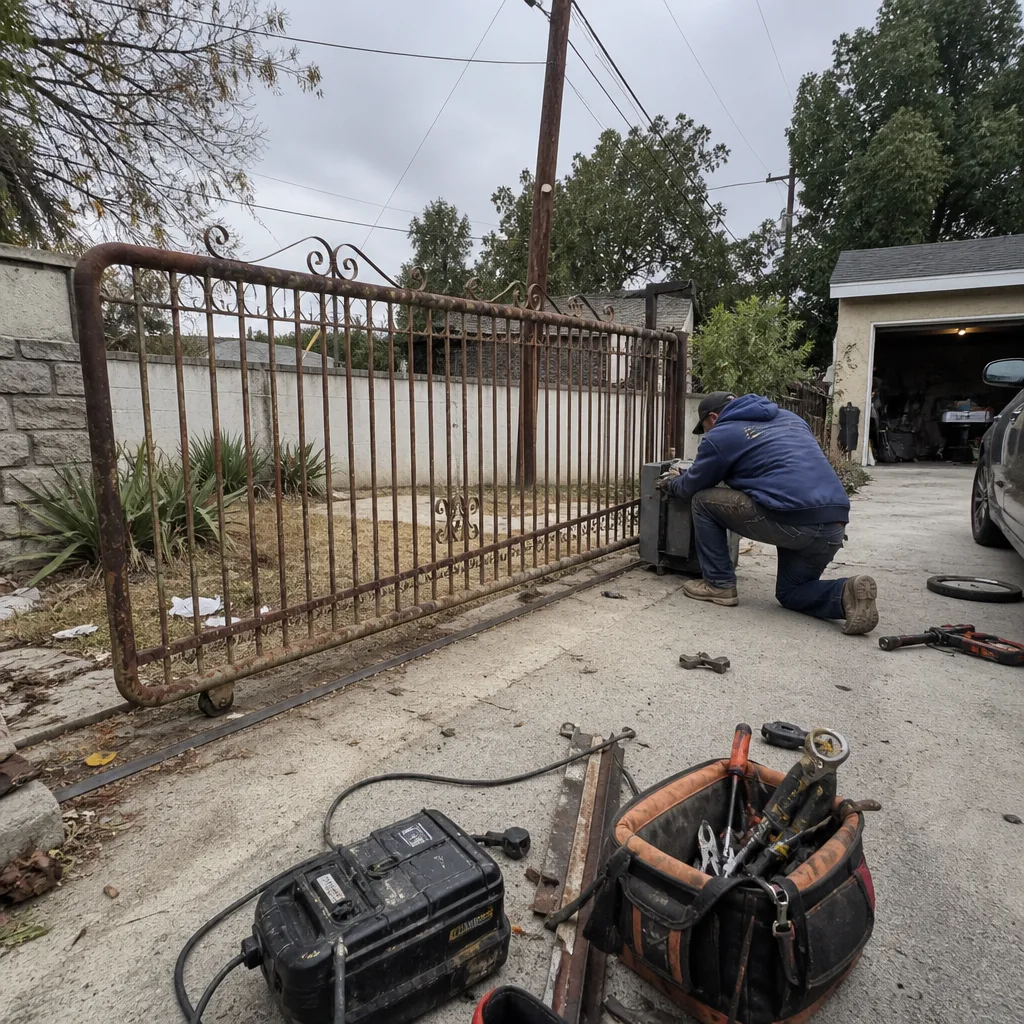 Before
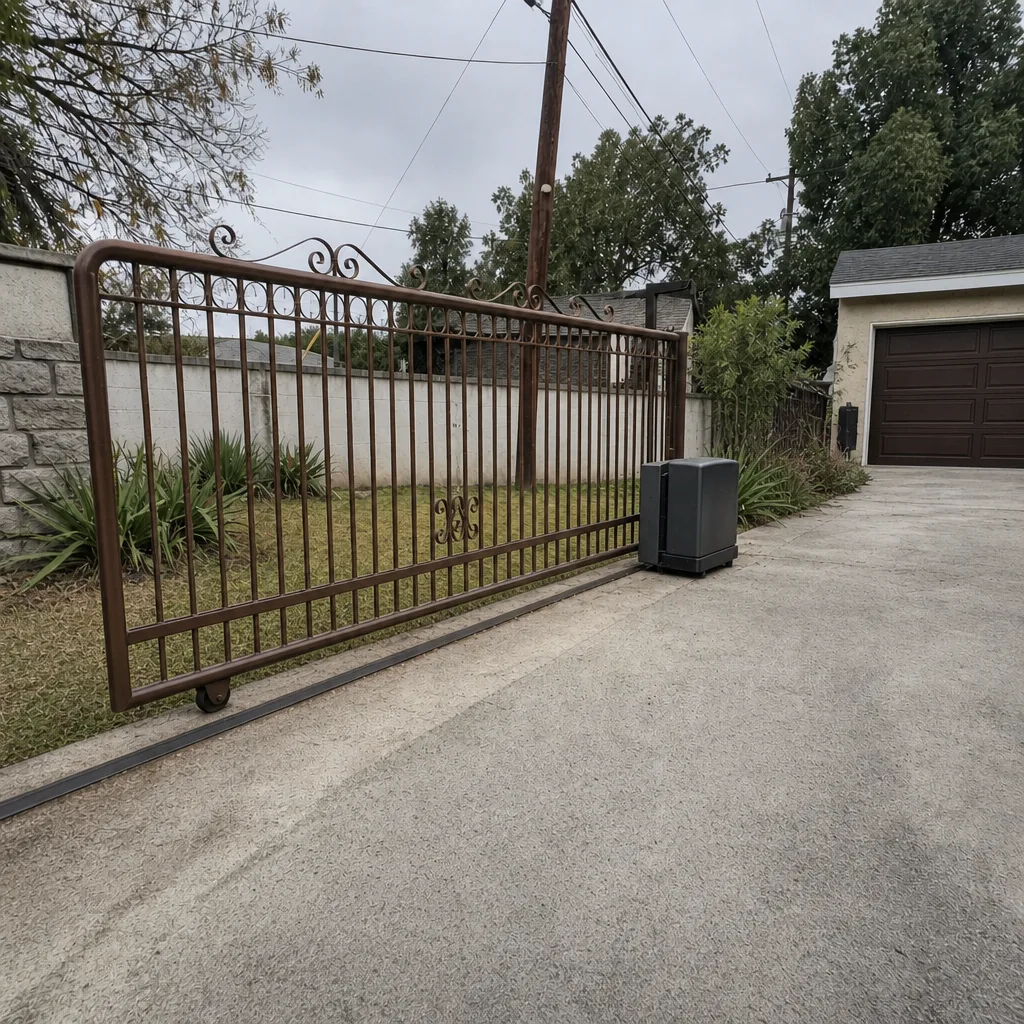 After
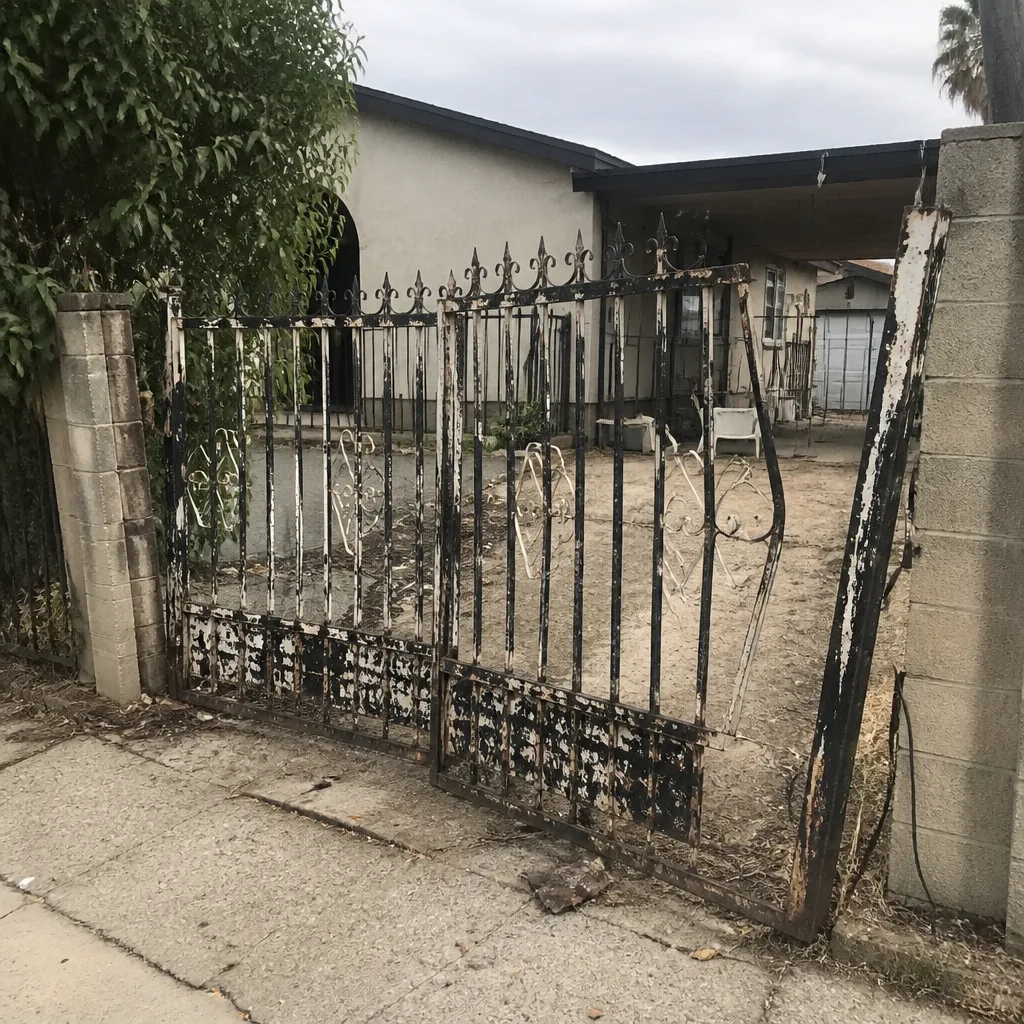 Before
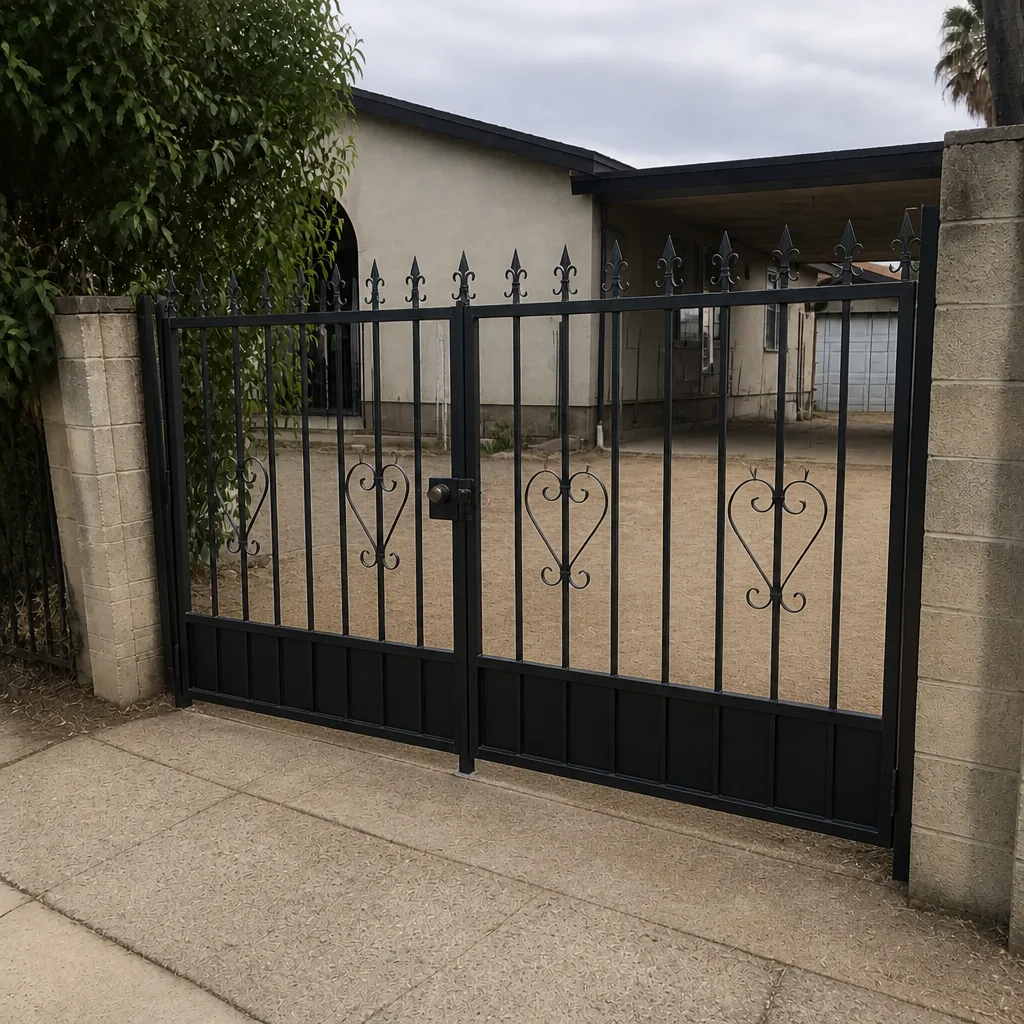 After
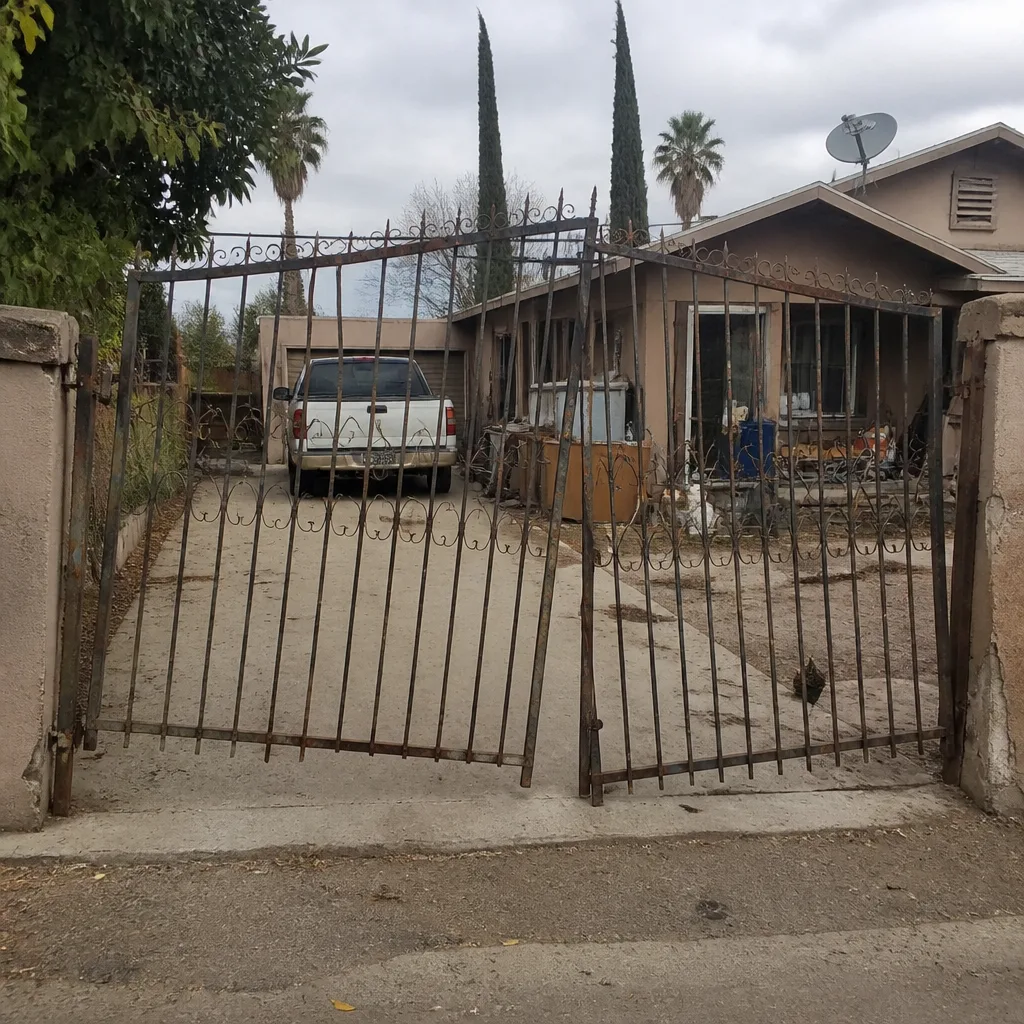 Before
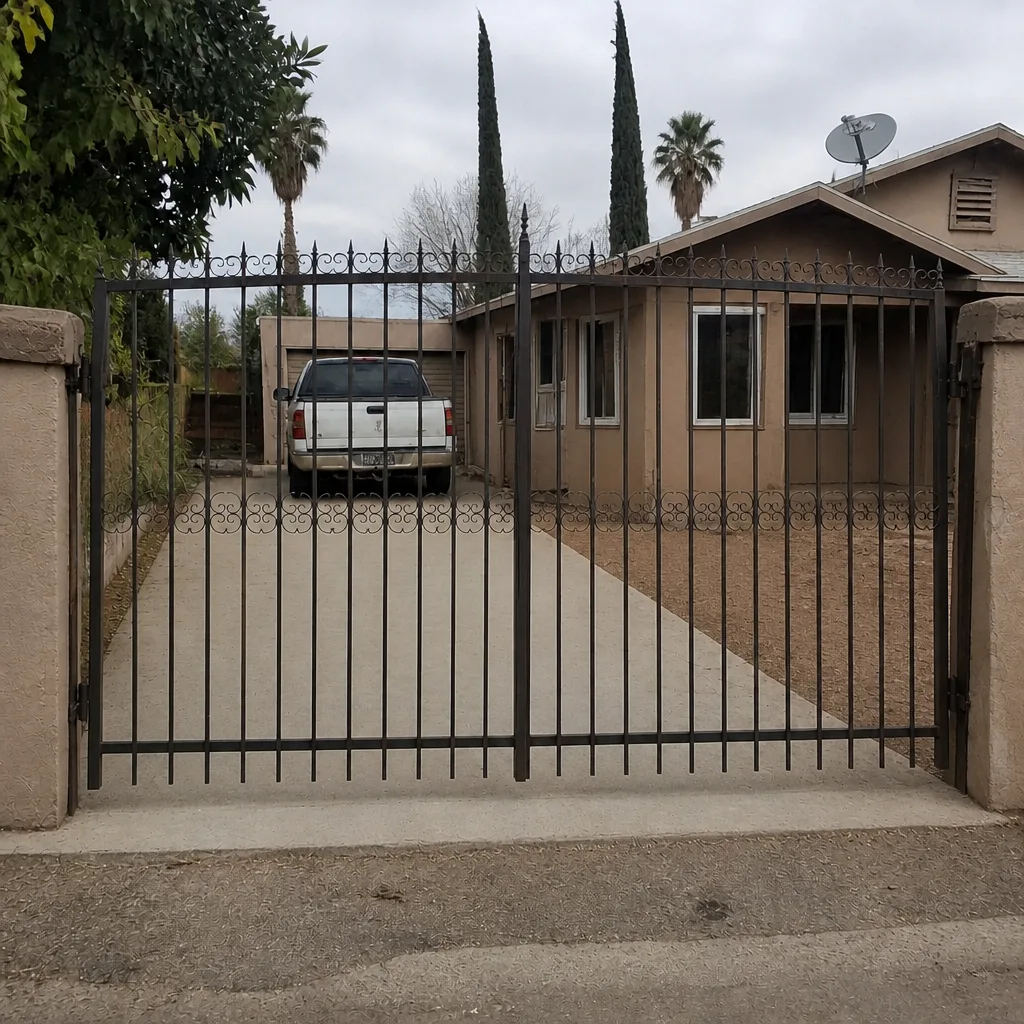 After
When to Call a Professional
Call a professional when your gate stops responding, cycles erratically, reverses unexpectedly, or the operator runs hot or trips repeatedly. Automated gate operators carry real hazards: heavy panels that can crush, slide gates that can come off the track, and operator wiring that stays live and dangerous even when the gate seems off. Don’t trace that wiring or the operator’s electrical side yourself. A trained gate technician is the right call for anything involving the control board, the operator, and the safety edges.
Also call when the gate hasn’t failed but the operator is past 5 to 7 years and showing wear, when you’ve inherited a brand you can’t get parts for, or when a hardware fix looks simple but the cycle count says otherwise. Valor Gate Repair offers free estimates in San Bernardino – call (866) 389-3501. The written estimate sets the price before any work starts, and we answer 24/7. Fast dispatch from 7am to 7pm.
Frequently Asked Questions
For most San Bernardino homes, a residential-rated LiftMaster or FAAC operator sized slightly above the gate’s weight is the sensible pick. Both work well in the heat and have parts that can be sourced quickly locally. The “best” brand depends on gate weight, cycles, sun exposure, and parts availability rather than a single universal winner.
Check the manufacturer’s rating for the model and the number of cycles it’s designed to run per day. Residential gates typically cycle a few dozen times at most; commercial gates can run hundreds. A residential-rated operator on a high-cycle San Bernardino gate will wear out far sooner than its rating suggests.
Commonly serviced brands like LiftMaster, FAAC, Viking, and Linear generally have parts that can be sourced quickly enough to keep repairs moving. Discontinued or off-brand operators may require ordering. That’s the practical reason checking parts availability before you buy a brand matters.
Often, yes. If the exact part is genuinely unobtainable or has to ship from far away, replacement is the better spend. Moving to a common, well-supported brand upgrades your future serviceability at the same time. Confirm the part is a real dead-end first with a proper diagnosis.
It can be, but it shouldn’t. A residential-rated operator on a commercial gate with heavy daily cycles will fail well before its time, and replacement costs more than the commercial unit would have. Match the rating to the actual cycles per day, then size up a tier for heat headroom.
Yes. Automated gate repair, including the operator, control boards, and safety edges, is a core service, not an add-on. That means one specialist owns the whole system instead of splitting it between a generalist and an electrician. Call (866) 389-3501 for a free estimate – the written price is set before any work starts.
The Bottom Line
The best gate operator brand for a San Bernardino property isn’t the one with the biggest spec number. It’s the one that matches your gate weight, your real cycle count, and your sun exposure, and that a technician can actually get parts for in the Inland Empire. LiftMaster, FAAC, Viking, and Linear all hold up here when properly sized and correctly installed as a complete system. Weight the parts route and the duty rating above the glossy brochure, and the brand decision gets a lot clearer. A local specialist, one who knows Valor Gate Repair brand coverage and can diagnose by brand-specific logic, is the difference between a fast repair and a stranded gate.
For a free estimate on your gate operator or repair, call San Bernardino-based Valor Gate Repair at (866) 389-3501. We answer 24/7. Fast dispatch from 7am to 7pm, Sunday through Friday.
Written by the team at Valor Gate Repair.