
Last updated November 16, 2026
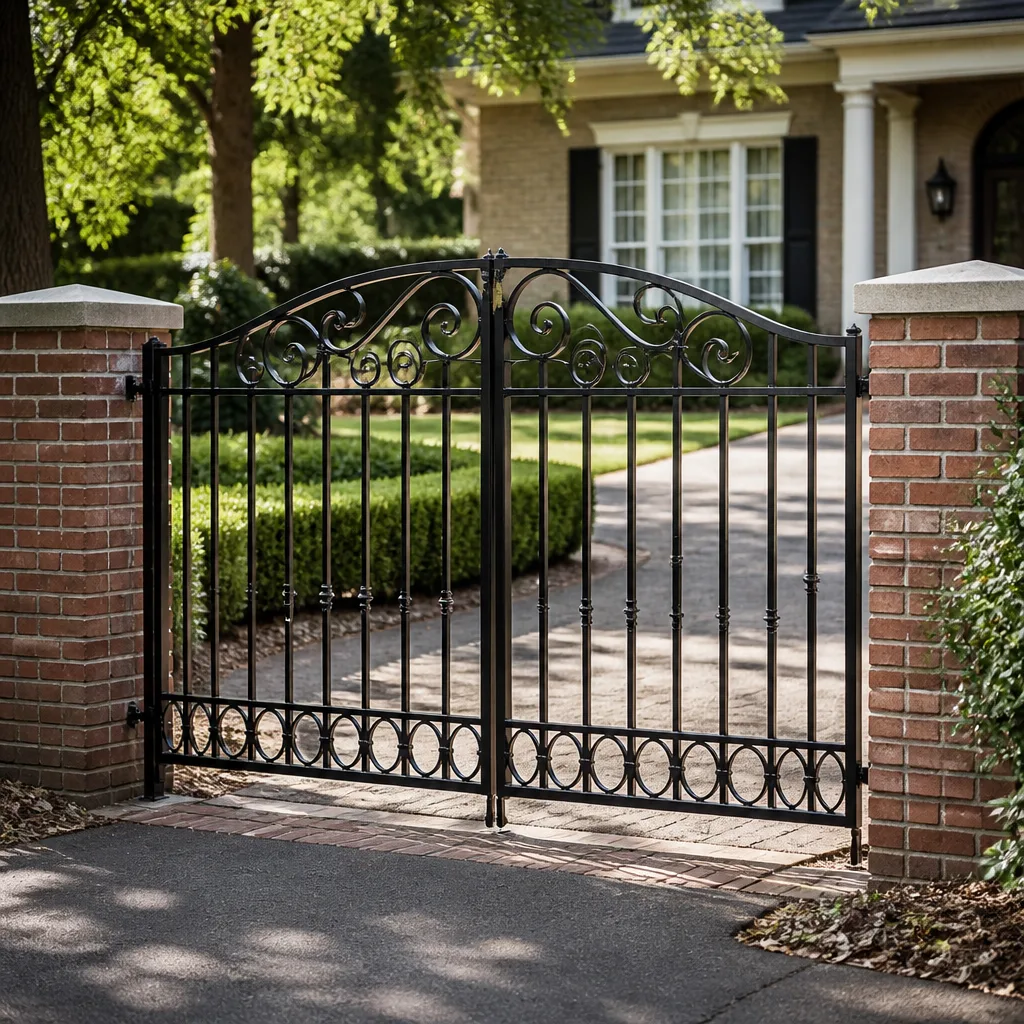 Wrought iron
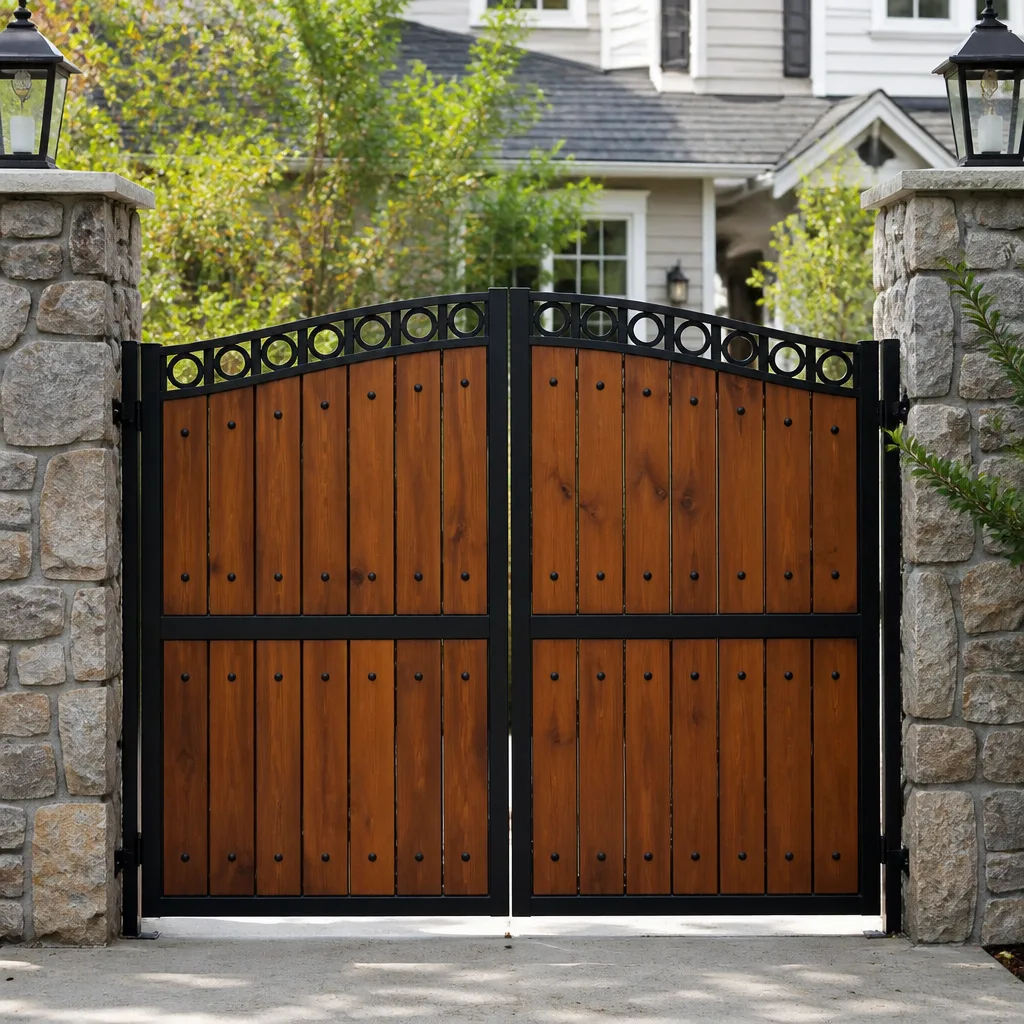 Wood & steel frame
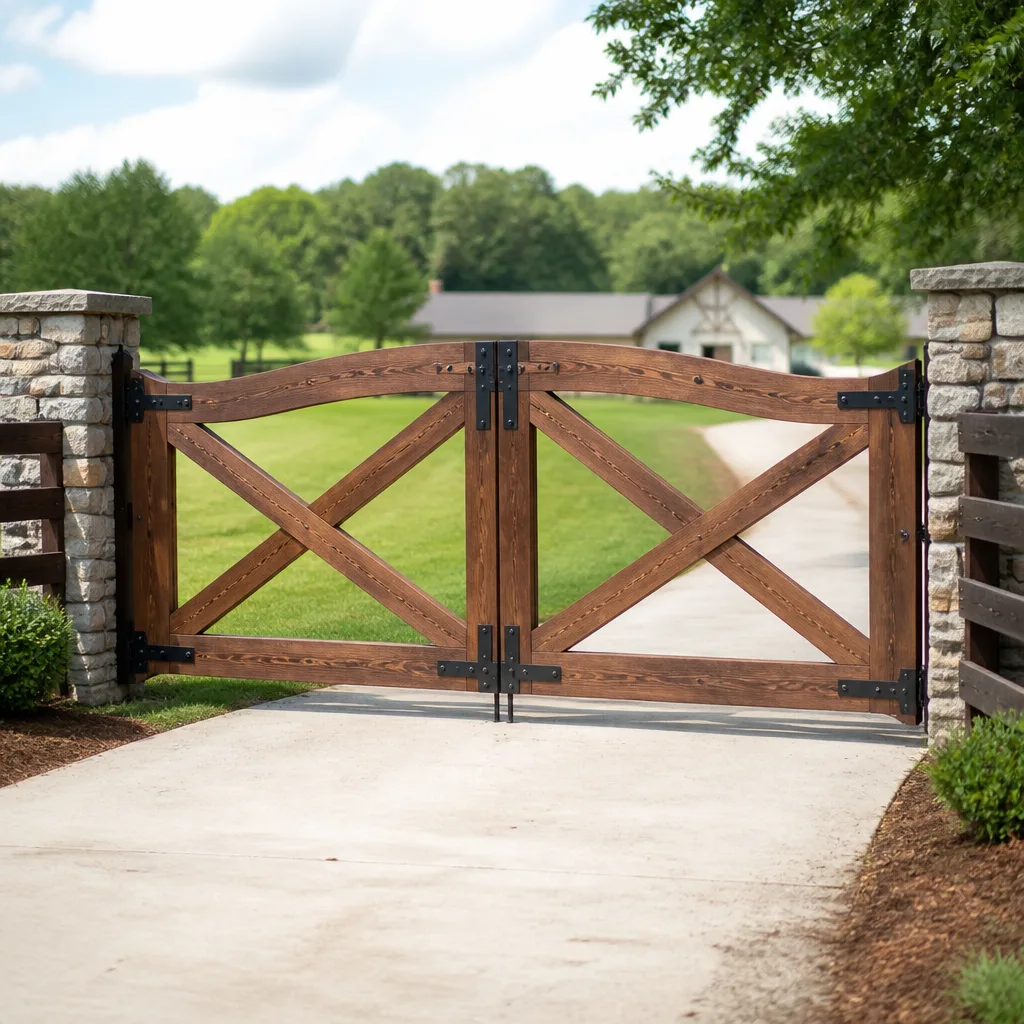 Farm & ranch
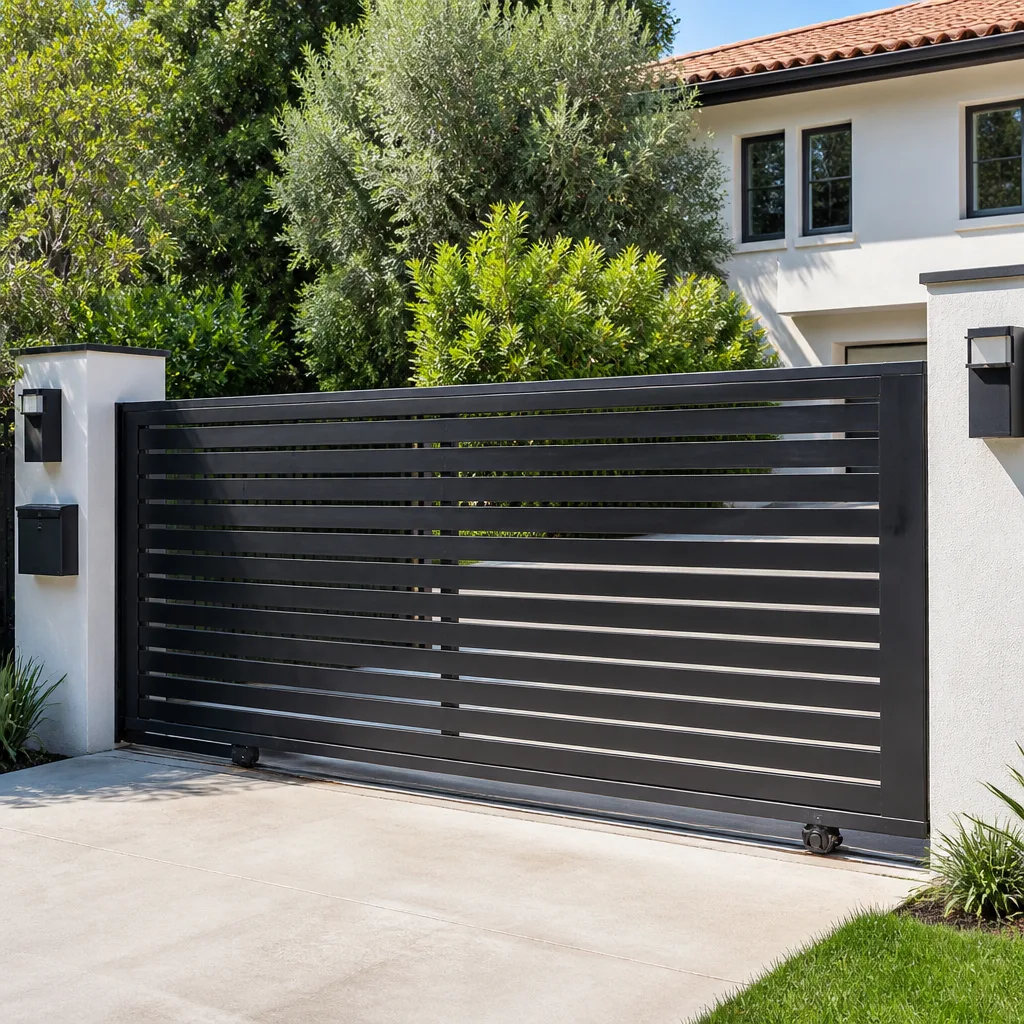 Sliding driveway gates
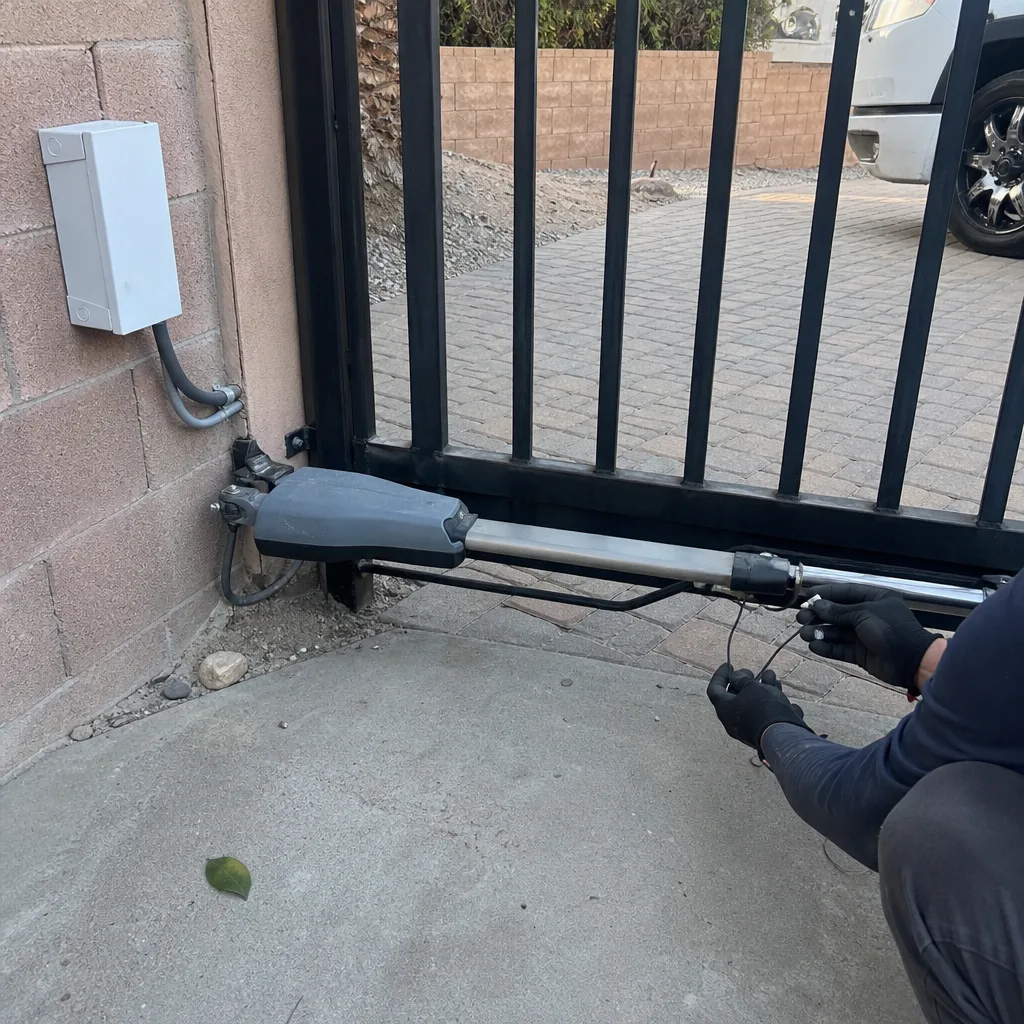
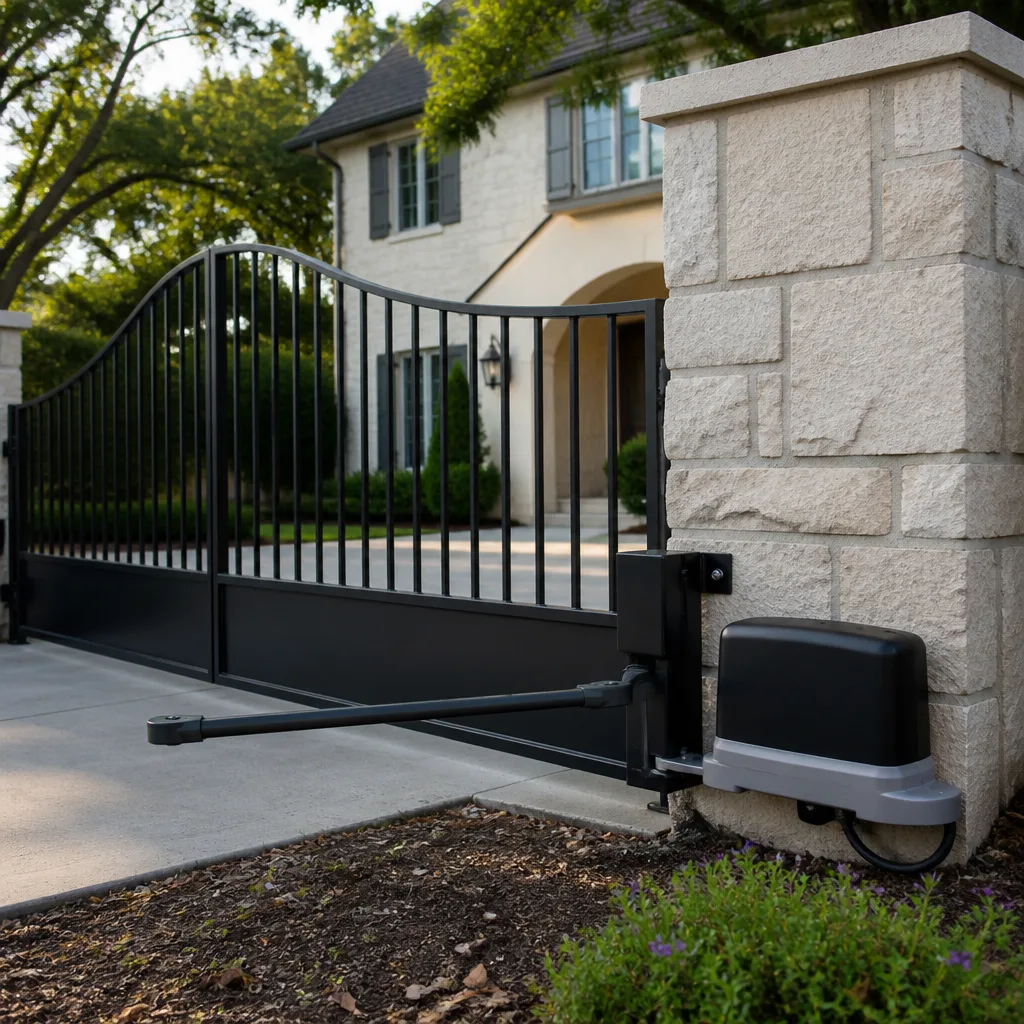 LiftMaster operators
Free on-site gate assessment - hinges, posts, and your LiftMaster or Nice gate operator checked before anything is quoted
The assessment is free and the quote is the invoice.
Get your free estimateGate Repair Permits, Codes & Inspections in San Bernardino, CA: What You Need to Know
Here’s the part of gate ownership almost nobody explains. A gate that opens, closes and looks fine can still be a liability trap. In California, an automated gate is a piece of powered machinery, and the safety devices that keep it from crushing a person or a car are governed by a national standard called UL 325. Skip that standard, and you may have a gate that works perfectly right up until the day it hurts someone and your insurer starts asking harder questions than you expected. This guide covers what actually needs a permit in San Bernardino, which codes apply, what an inspector checks, and where the real liability sits. If you manage an automated gate in San Bernardino, this is the paperwork and code side of the job, explained plainly.
Quick Answer
In San Bernardino, most gate work falls into two buckets. Routine repair and maintenance (replacing a hinge, adjusting a roller, swapping a photo eye, servicing an operator) generally does not require a building permit. New automated gate installations, structural replacements, and any work that runs new electrical power or alters the gate’s footprint or foundation usually do require a permit from the City of San Bernardino, and automated gates must include UL 325-compliant entrapment protection. The written estimate and the permit requirement should be settled before any work begins.
Styles & brands we work with
- Wrought iron
- Wood & steel frame
- Farm & ranch
- Sliding driveway gates
- LiftMaster operators
Table of Contents
- Which gate projects need a permit in San Bernardino?
- What is UL 325 and why does it matter here?
- What counts as compliant entrapment protection?
- How do HOA overlay rules change things?
- What does a city inspector actually look at?
- What happens to insurance and liability if the gate isn’t compliant?
- What gate repair work is exempt?
- Common mistakes to avoid
Which gate projects need a permit in San Bernardino?
The dividing line is fairly consistent across California cities, and San Bernardino follows the same logic: if the work changes the structure, footprint, foundation or electrical supply of the gate system, expect a permit. If it restores an existing system to working order without altering it, you usually don’t.
Think about it this way. A permit exists so the city can confirm something structural or electrical was built to code and won’t fail in a way that hurts someone. Swapping a broken limit switch on a DoorKing operator doesn’t change the structure. Pouring a new footing for a slide gate does. Running a new 120-volt circuit out to a gate operator does. Widening a driveway opening or replacing a gate with a different size or swing path does.
Here’s a working map of where common San Bernardino gate projects land:
- New automated gate installation: permit required. Plans typically need to show the gate location, operator make and model, power source, and UL 325 entrapment protection.
- Replacing a manual gate with an automated one (adding an operator): permit required. This is the one homeowners most often skip, and it’s the one most likely to trip an insurance problem.
- Structural gate replacement (same size and location): usually permit required, since the posts and footing are being rebuilt.
- New electrical power run to a gate operator: permit and inspection required. This is the electrical side, and it’s where a licensed trade needs to be involved.
- Repairing an existing operator (control board, photo eye, motor): typically no permit.
- Adjusting or replacing hinges, rollers, wheels, and hardware: typically no permit.
- Cosmetic work (paint, signage, minor alignment): no permit.
When in doubt, pick up the phone and ask the City of San Bernardino’s building department directly. They will tell you in one conversation what a written guide cannot: whether your specific project on your specific lot needs a permit. For larger or more complex work, this is exactly the kind of pre-job question we sort out with property owners on a regular basis, and it’s why we recommend settling the permit picture before signing anything.
What is UL 325 and why does it matter here?
UL 325 is the standard that governs automatic gate operators, and it’s the safety framework that most California homeowners have never heard of. It covers the design, construction, and installation of the operator and, more importantly, the entrapment protection devices that go with it. Every modern automated gate system is supposed to be UL 325-compliant. Many existing San Bernardino gates are not.
Why does a national safety standard show up in a California gate guide? Because California requires automated gates to conform to recognized safety standards through its building code, which references the electrical and construction codes that incorporate UL 325. When an inspector reviews a new automated gate install in San Bernardino, UL 325 entrapment protection is part of what they’re evaluating. When an insurer evaluates a claim after a gate incident, UL 325 compliance is part of what their adjuster asks about.
Here’s the part that surprises people. UL 325 doesn’t care whether the gate works. It cares whether the gate can detect an obstruction and reverse or stop before it causes harm. An operator that opens and closes beautifully but runs over a child’s bicycle because it has no entrapment protection is a non-compliant installation, full stop. The gate doing its job every day is not the same as the gate being safe in the way the standard requires.
For homeowners adding automation to an existing gate, this is the moment to get it right. For property managers with older systems, it’s the moment to have the system reviewed. If you’re already working with us on a repair, this is part of what an electric gate repair inspection looks at, because a gate that isn’t compliant isn’t actually repaired. It’s just running.
What counts as compliant entrapment protection?
Compliant entrapment protection is a device, or combination of devices, that detects an obstruction in the gate’s path and stops or reverses the gate before it crushes a person, animal, or object. UL 325 defines specific device categories. The gate has to have at least one, and for some gate types the standard calls for more than one, depending on how the gate moves and where it’s installed.
What qualifies:
- Photo eyes (through-beam sensors): an invisible beam across the gate opening that, when broken, tells the operator to reverse. This is the most common entrapment protection on residential automated gates.
- Edge sensors (safety edges): a pressure-sensitive strip along the leading edge of the gate that reverses the operator when it makes contact with an obstruction. Common on sliding gates and on swing gates where pinching is a risk.
- Loop detectors (induction loops): buried wire loops in the driveway that detect a vehicle or pedestrian in the gate’s path. Common on commercial and HOA gates and on DoorKing access setups.
- Non-contact sensors (infrared and similar): sensors that detect a person in the gate’s swing or slide path without physical contact.
What does not qualify:
- A gate operator with no entrapment device at all, relying on the operator’s internal clutch or torque sensing alone. This is a common condition on older systems and it does not meet UL 325 for most installations.
- A disconnected, misaligned, or “turned off” photo eye. If the sensor exists but doesn’t work, the gate might as well not have one.
- A safety edge that’s worn through, taped over, or wired to a dead circuit.
- Manual release mechanisms used as a safety device. The manual release is for power loss, not for entrapment protection.
If you own a Ghost Controls or Mighty Mule DIY-style operator that was installed by a previous homeowner, this is a common place for compliance to be missed. We see these setups on San Bernardino properties where the gate moves fine on a normal day and the safety device was never installed or was disconnected to stop nuisance reversing. That’s a problem worth solving now, not later.
The entrapment protection question also raises the property risk profile. A person can be seriously hurt by a sliding gate that comes off its track, and a swinging gate that carries real weight can crush. This is not a “let’s see if we can DIY it” situation. Entrapment protection requires a trained professional to size, place, and wire the devices correctly. A gate specialist’s job is to make the system safe in a way that holds up to inspection and to an insurance review.
How do HOA overlay rules change things?
San Bernardino has plenty of HOA-governed communities, and HOA rules sit on top of city code. They never override a building permit or a code requirement, but they can add conditions that the city doesn’t care about – and those conditions can turn a straightforward gate project into a much more involved one.
The typical HOA overlays that affect gate work:
- Approved gate materials, colors, and styles. An HOA may restrict what your new gate can look like, even if the city doesn’t. A gate that passes city inspection can still get kicked back by the HOA architectural committee if it doesn’t match the community standard.
- Setback and landscape requirements. Some HOAs specify how far the gate needs to sit from the property line, whether it needs landscaping behind it, and what fencing must accompany it.
- Access control hardware requirements. If your gate serves a shared entry, the HOA may specify the operator brand, the entry method (keypad, remote, app, transponder), and who is responsible for maintenance. DoorKing systems show up in a lot of community entrances for exactly this reason.
- Approval workflow. Many HOAs require architectural review before you start, not after. Submitting the approved permit plans to the HOA committee alongside your contractor’s drawings saves a wasted installation.
The practical move for an HOA manager or a homeowner in a San Bernardino community: get the HOA’s written approval and the city permit in hand before anyone breaks ground. Those are two separate approvals, and getting one doesn’t get you the other.
What does a city inspector actually look at?
An inspector evaluating an automated gate in San Bernardino is checking that what was built matches what was permitted, that the electrical work was done to code, and that the gate has working entrapment protection. The inspection is not a beauty contest. It’s a safety confirmation.
What typically gets checked during a gate inspection:
- Permit and plans match the installed gate. The gate size, location, posts, and operator model need to line up with what the permit approved. Swapping the operator brand or changing the gate size after the permit is pulled is a common issue.
- Footings and posts are set to proper depth and anchoring. Slide gate posts and swing gate hinge posts have to be dug and set to hold the load of the gate over its full range of motion.
- Electrical supply and connections. Conduit, junction boxes, and the power connection to the operator have to meet electrical code. Any new power run is inspected as electrical work.
- Entrapment protection is installed and working. Photo eyes, safety edges, and loop detectors need to be present, aligned, and functioning. An inspector will often test them by breaking the beam or actuating the sensor while the gate is in motion.
- The gate responds correctly to obstruction. Breaking the beam or triggering the sensor should stop or reverse the gate. The operator should not run through a triggered sensor.
- Warning signage is present. The operator area and gate opening typically need the required warning placards posted.
- Manual release works and is accessible. The manual release for power loss has to be functional and accessible to the property owner.
Common fail points we’d flag as worth prepping for: a gate that was installed wider or narrower than the permit allowed, an operator swapped for a different brand after the permit was approved, a photo eye mounted on the wrong side and knocked out of alignment, a safety edge that wasn’t wired in, and driveway loop detection that doesn’t register a person walking through. Most of these are caught in a pre-inspection check. Getting them fixed before the inspector arrives is faster and cheaper than a re-inspection.
What happens to insurance and liability if the gate isn’t compliant?
If an automated gate injures someone and the gate isn’t UL 325-compliant, your homeowner’s or commercial property insurance policy can have grounds to deny a liability claim. That’s the part most San Bernardino property owners don’t know. A gate that works but isn’t compliant puts the property’s coverage at risk in exactly the scenario the coverage is supposed to protect against.
The way insurers typically look at it: if the policy requires a property to be maintained in good repair and free of known hazards, and the gate has an entrapment hazard the owner knew or should have known about, the insurer has arguments. A non-compliant gate installed without a permit, or a safety device that was disconnected, is hard to argue wasn’t a known hazard. When a serious injury occurs, and the claim gets investigated, the first questions will be about permits, compliance, and who did the work. Those questions are easier to answer when the paperwork exists.
There’s a second layer of exposure beyond insurance. Under California premises liability, a property owner can be held liable for injuries caused by an unsafe condition the owner controlled. A gate that doesn’t meet UL 325 for entrapment protection is a condition the owner controls. An unpermitted gate installation doesn’t become safe because it was never inspected; it becomes harder to defend because the owner can’t show that it was reviewed.
Here’s the honest bottom line. A compliant gate, documented with a permit and inspection, is a defensible gate. A non-compliant gate is a question mark, and question marks are expensive when they show up in a claim. Our gate repair work includes a compliance review of the entrapment protection for this reason, because repairing the mechanical problem without addressing the safety problem doesn’t actually resolve the exposure.
What gate repair work is exempt?
Plenty of gate work in San Bernardino happens without a permit, and doing it right is still the job. The exempt bucket is about restoration, not construction. Repairs that keep an existing system in working order don’t trigger a permit because they don’t change the structure, footprint, or power supply of the gate system.
Common exempt work:
- Replacing an operator’s control board, motor, capacitor, or limit switches on an existing system.
- Adjusting or replacing photo eyes (the existing device, not a new run of devices).
- Replacing a safety edge on an existing gate.
- Replacing gate hinges, rollers, wheels, and hardware.
- Adjusting gate alignment so it opens and closes smoothly.
- Reprogramming remotes, keypads, and access codes on an existing DoorKing or LiftMaster system.
- Repairing a broken wire or re-terminating an existing connection (the electrical code still applies to the work itself).
Repairs that restore the gate to working order on the same footprint and same operator are the safe assumption. When a repair becomes a replacement, or when the repair involves structural change or new power, the answer shifts. A repair that becomes a structural rebuild is construction. A repair that adds a new operator to a previously manual gate is construction. A repair that adds a new power source is construction with an electrical review.
For a San Bernardino homeowner, the fastest way to get clarity is to describe the work to the city building department or to a gate specialist before committing. It takes one conversation to know where the line falls for your gate. That’s a better conversation to have before the work starts than after. If you live outside the city and want to know the equivalent picture in a neighboring town, a look at San Bernardino and surrounding communities gives you the general lay of the land, though each city’s building department sets its own rules.
Common Mistakes to Avoid
- Installing an operator without a permit. Automated gate installations in San Bernardino need a permit in most cases, and adding an operator to a manual gate is the most commonly skipped permit. Skipping it leaves you without inspection documentation, which is exactly the wrong position in an insurance claim.
- Assuming UL 325 doesn’t apply to your gate. UL 325 applies to automated gates, full stop, no matter how old the gate or how small the operator. The standard is about the system as it stands today, not as it was understood when it was installed.
- Disconnecting a photo eye because it keeps reversing. Nuisance reversing means the sensor needs to be aligned, not removed. Disconnecting it turns a fixable problem into a compliance problem and an insurance exposure.
- Skipping the HOA approval step. In HOA communities around San Bernardino, city approval and HOA architectural approval are separate. Getting the permit doesn’t satisfy the HOA, and getting the HOA sign-off doesn’t get you a valid permit.
- Swapping the gate size or operator brand after the permit is pulled. An inspector expects the installed gate to match the permitted plans. Mid-job changes mean a stop, a plan revision, and a re-inspection.
- Not keeping the permit and inspection paperwork. The documentation is your defense if an incident happens later. It’s the first thing an insurer or an attorney will ask for, and it’s the easiest thing to lose in the shuffle of a home sale.
- Letting a handyman work on entrapment protection. A generalist handling a photo eye or safety edge is likely to make a compliance problem worse. The devices have to be sized, positioned, and wired correctly for the gate and the operator, which is a gate specialist’s work.
When to Call a Professional
Call a professional when the gate’s safety is at stake, the work is structural or electrical, or the paperwork doesn’t line up. Specifically, call when your automated gate has no working photo eye, edge sensor, or loop detector; when the gate reverses at nuisance times (a sign of misaligned sensors); when you’re adding an operator to a manual gate; when you’re replacing a gate and the footing or posts are part of the job; when new power is being run to the operator; or when a permit and inspection are part of the project. UL 325 entrapment protection is the piece most homeowners don’t ask about, and it’s the one that matters most for safety and for insurability. A gate specialist with brand-specific knowledge across LiftMaster, FAAC, BFT, Linear, Viking, Ghost Controls, DoorKing, Elite, and Mighty Mule diagnoses the safety system as well as the mechanical one, updates the system to a compliant configuration, and handles the repair and installation to match the permitted scope. Valor Gate Repair offers free estimates in San Bernardino: call (866) 389-3501.
See the difference
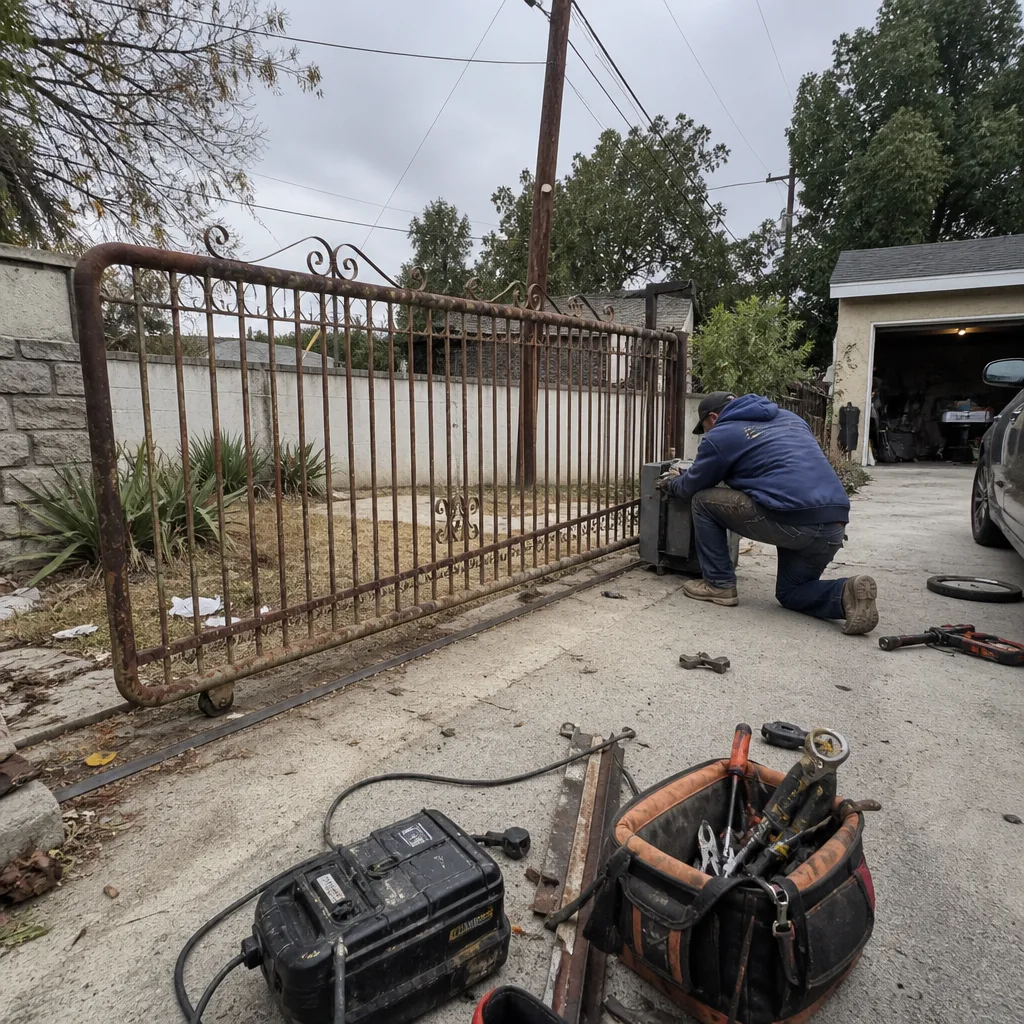 Before
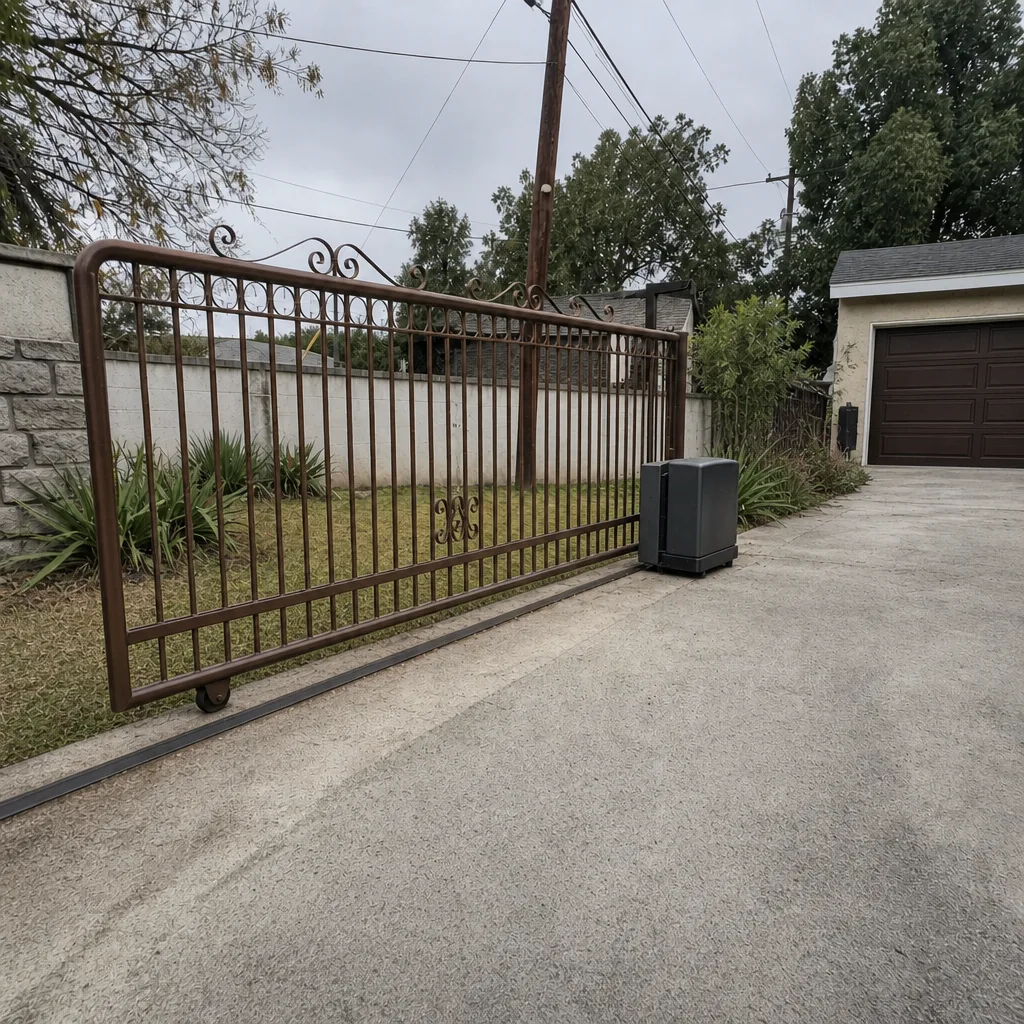 After
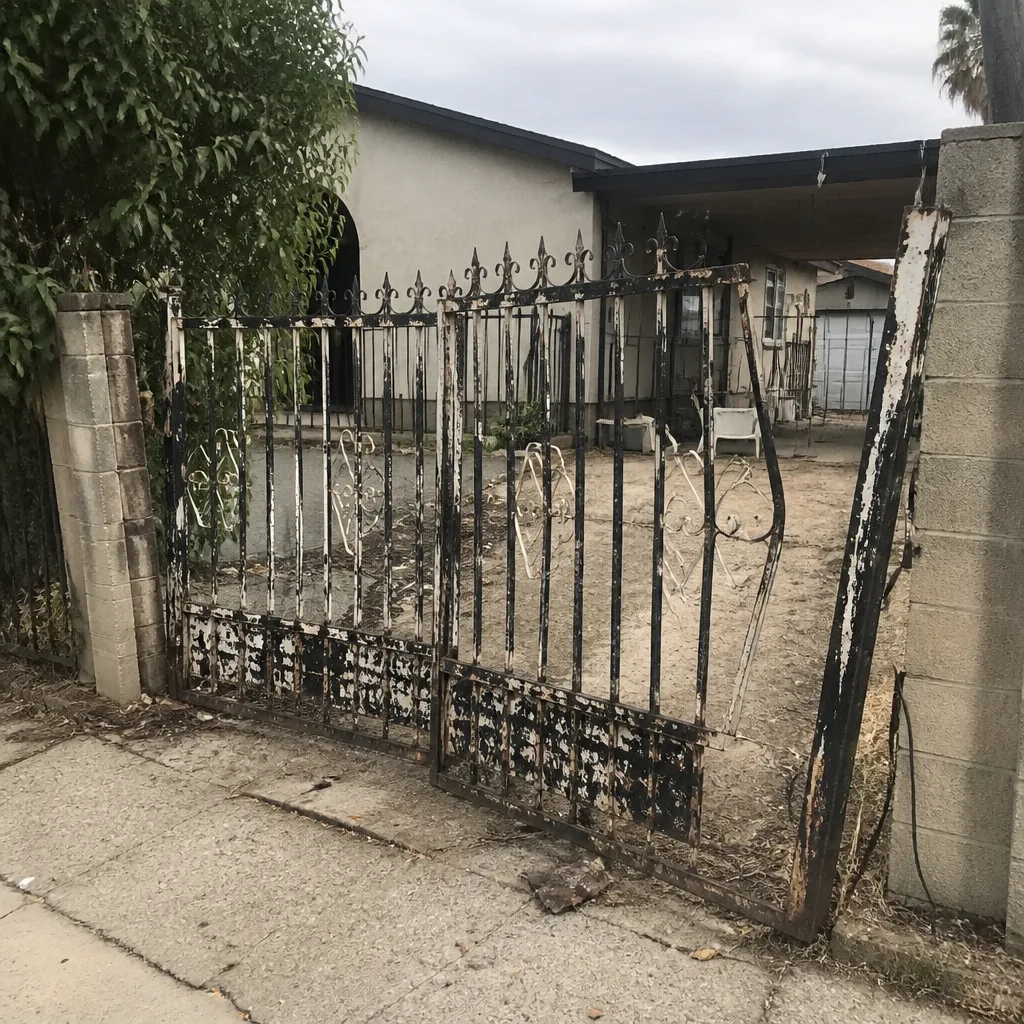 Before
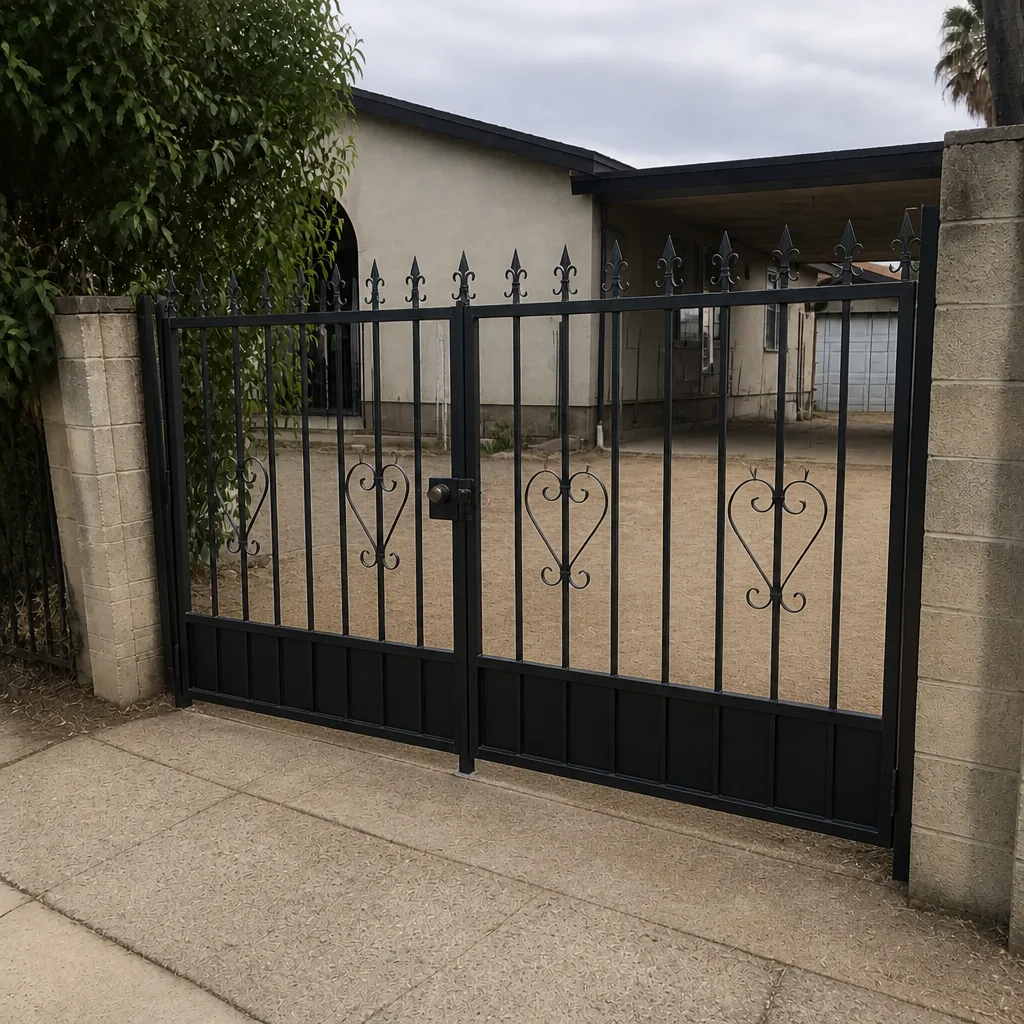 After
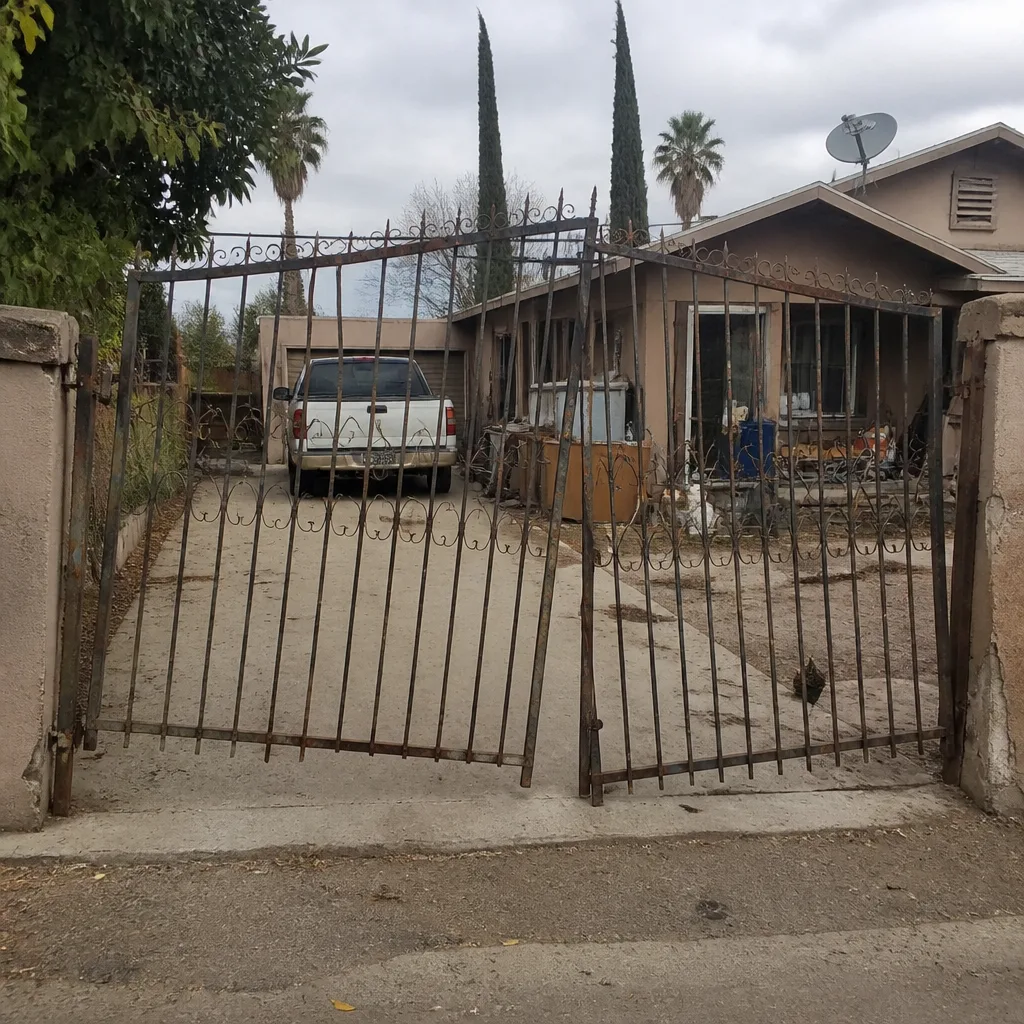 Before
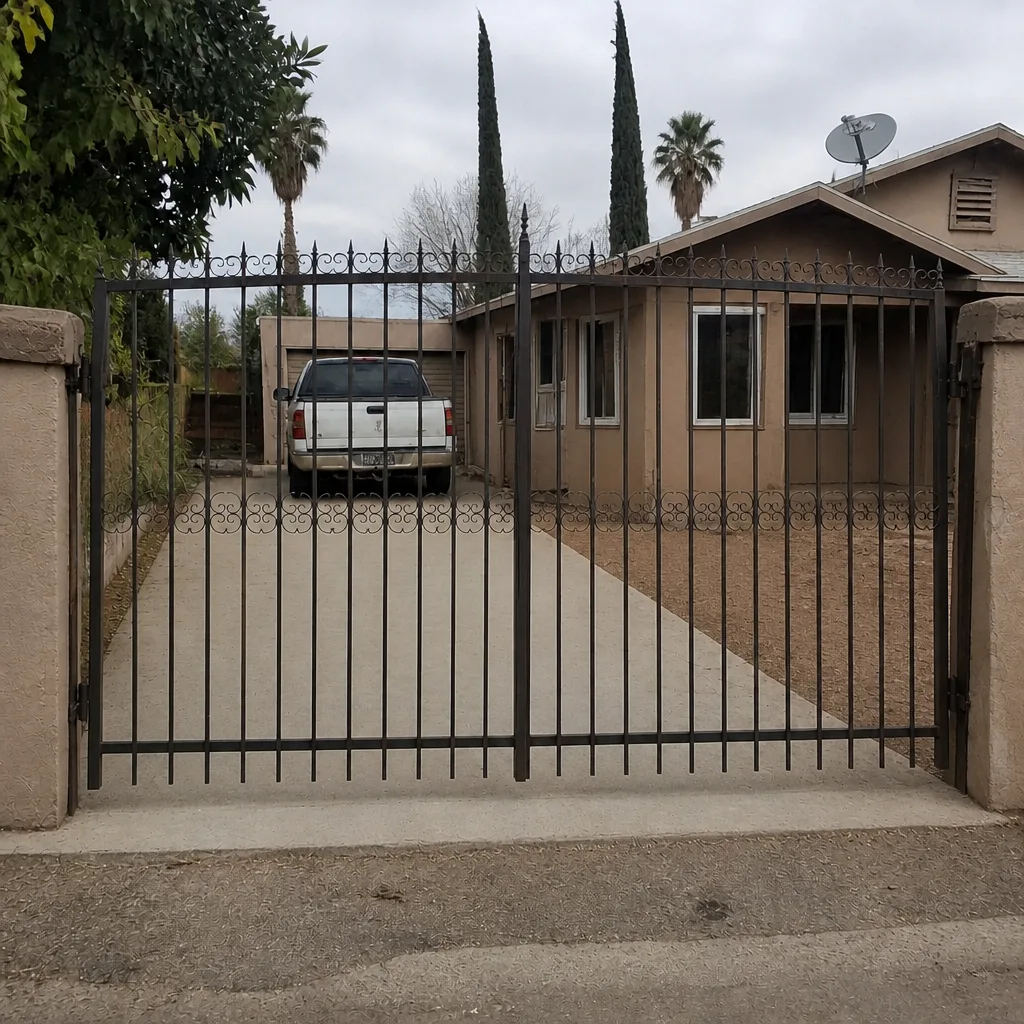 After
Frequently Asked Questions
Routine gate repair in San Bernardino generally does not require a building permit. Replacing a hinge, adjusting a roller, swapping a photo eye, or servicing an operator all fall under repair, not construction. New automated gate installations, structural replacements, and any new electrical power run to a gate operator usually do require a permit. If your repair turns into a replacement or a new operator install, the permit question can change, so confirm before the work starts.
UL 325 is the standard governing automatic gate operators and the entrapment protection devices that go with them. Compliance is required for automated gates in California, and a non-compliant gate can put an insurance claim at risk if the gate injures someone. If your gate has a working photo eye, safety edge, or loop detector and a modern operator, you’re likely compliant. If your operator runs on internal torque sensing alone with no external device, it probably isn’t.
An unpermitted gate installation in San Bernardino is a problem you can still fix, but the fix is easier before a problem surfaces. The city can require the work to be brought into compliance, which usually means a permit, a plan review, and an inspection, and may include corrections. In the worst case, an injury at a non-compliant gate gives your insurer grounds to deny a claim. The remedy is to have the gate reviewed, brought into compliance, and documented.
For repair work that restores an existing gate without changing its appearance or footprint, HOA approval is usually not required. For new gate installations, replacement gates, or any change to the gate’s design, materials, or color, HOA architectural review is typically required alongside the city permit. The HOA and the city are separate approvals, so get the HOA’s written sign-off and the city permit in hand before work starts.
An inspector checks that the installed gate matches the permitted plans, that footings and posts are set properly, that the electrical supply meets code, and that working entrapment protection (photo eyes, safety edges, or loop detectors) is installed and functioning. They’ll test the gate’s response to an obstruction, confirm warning signage is present, and verify the manual release works. Most inspection failures trace back to a gate installed to a different size or brand than the permit approved, or a safety device that wasn’t installed or aligned correctly.
An automated gate install involves structural work (posts, footings), electrical work (power run and connection), and UL 325 entrapment protection, and each piece has code requirements. A generalist handyman may handle the mechanical side but is unlikely to have the gate-specific and safety-device knowledge the job needs, and a mistake on entrapment protection is hard to detect until something goes wrong. A dedicated gate specialist, one who works with the specific operator brands on your property, is the safer and more defensible choice when the work involves structural or electrical scope. Call (866) 389-3501 for a free estimate.
The Bottom Line
Automatic gates in San Bernardino are governed by more than whether the gate opens. Structural replacements, new automated gate installations, and new power runs require a permit, and automated gates need UL 325-compliant entrapment protection, which is where most older systems fall short. HOAs layer additional requirements on top of city code, and inspectors focus on matching the permitted plans and confirming working safety devices. The insurance question is the one that doesn’t show up until it matters: a non-compliant gate can cost you a claim. The fix is a specialist review, a compliant repair or install, and paperwork that documents the work. Do it while your gate is still working and the answer is easy.
Get Your Gate Reviewed Before It Fails
If you’re unsure whether your gate is compliant, whether the installation was ever permitted, or whether the safety devices are working the way UL 325 requires, that conversation is faster than you’d expect. Our technicians have up to 13 years of experience working with LiftMaster, FAAC, BFT, Linear, Viking, Ghost Controls, DoorKing, Elite, and Mighty Mule systems, diagnosing by each brand’s logic rather than guessing at the safety devices. We handle repair, electric gate repair, and installation under one specialist roof. If you live in or around San Bernardino, call (866) 389-3501 for a free estimate. We answer 24/7. Fast dispatch from 7am to 7pm, Sunday through Friday. If a call comes in outside dispatch hours, it’s booked into the next opening, Sunday through Friday, 7am to 7pm. The price is quoted and agreed before any work starts, and the written estimate sets the final price. When your gate needs to be compliant as well as running, that’s the work we do.
Written by the team at Valor Gate Repair.