
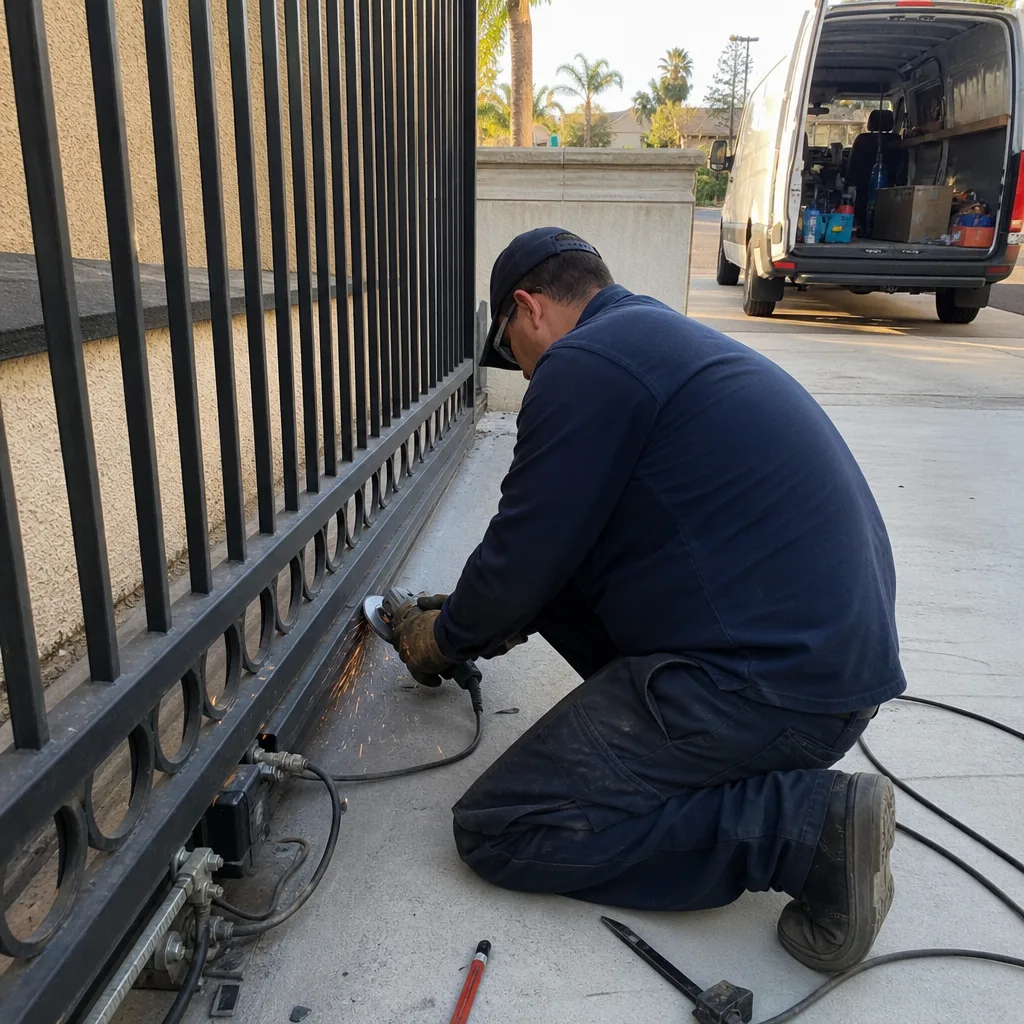
Last updated November 16, 2026
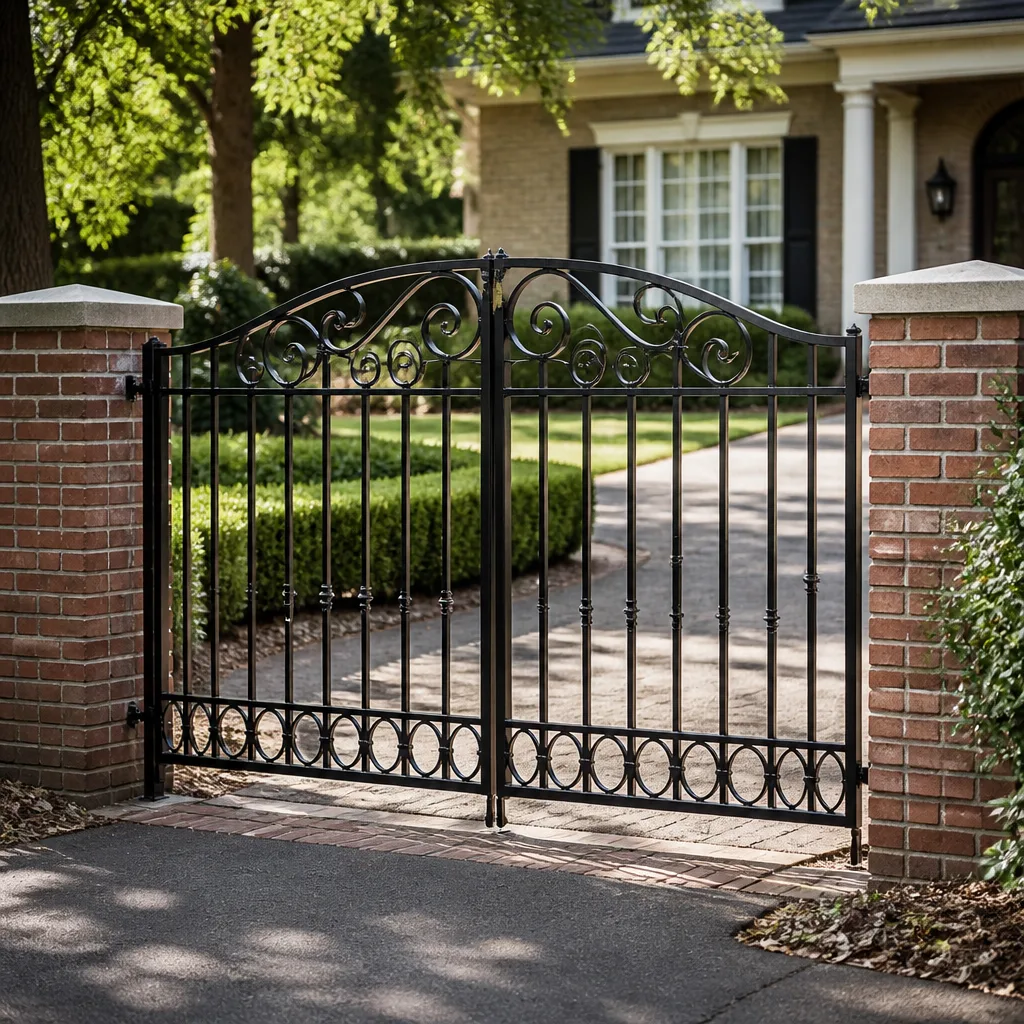 Wrought iron
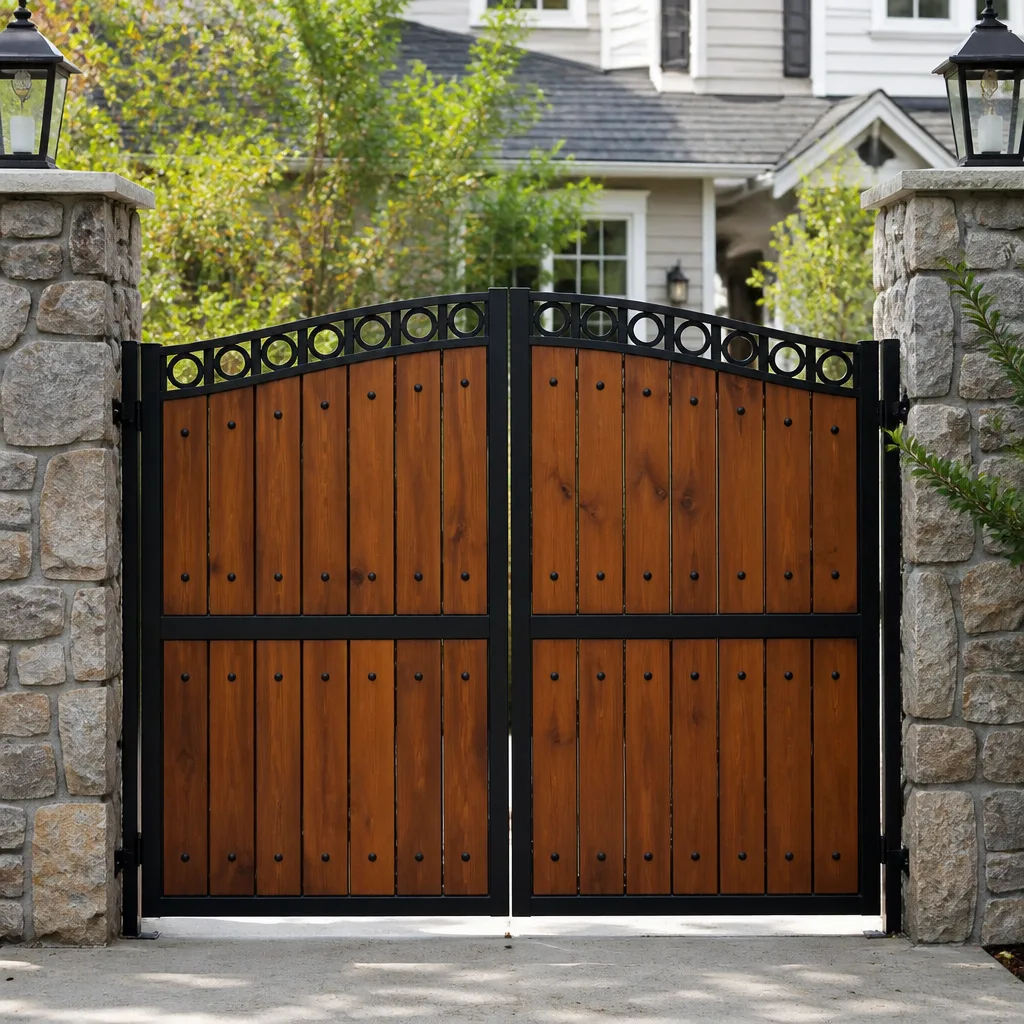 Wood & steel frame
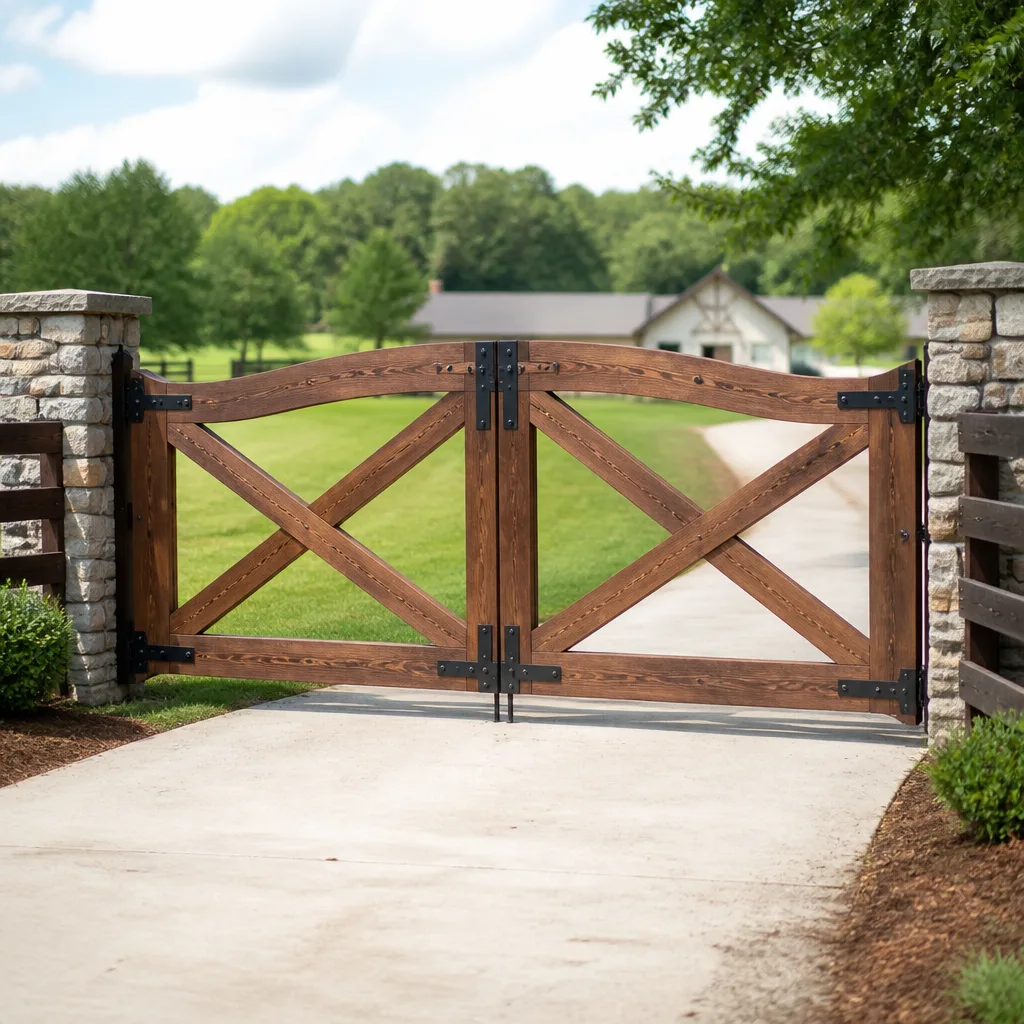 Farm & ranch
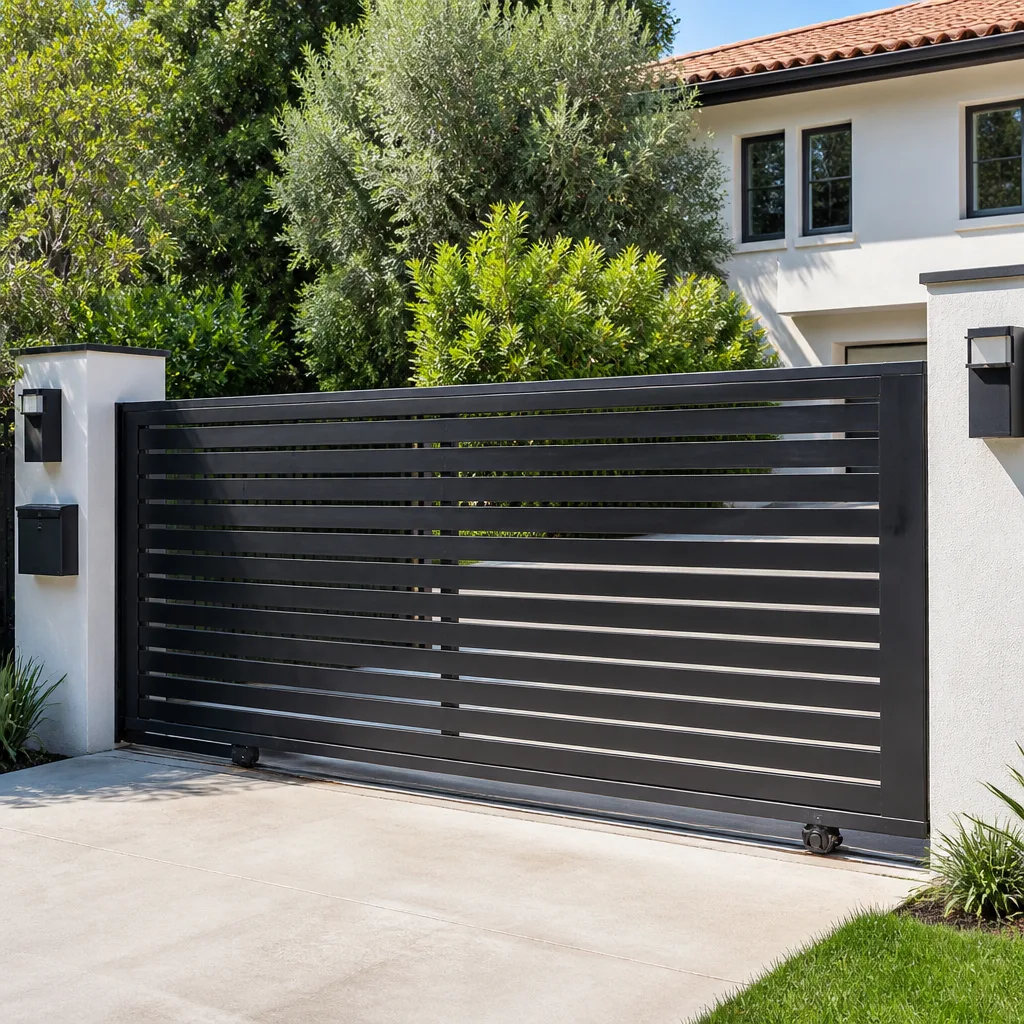 Sliding driveway gates
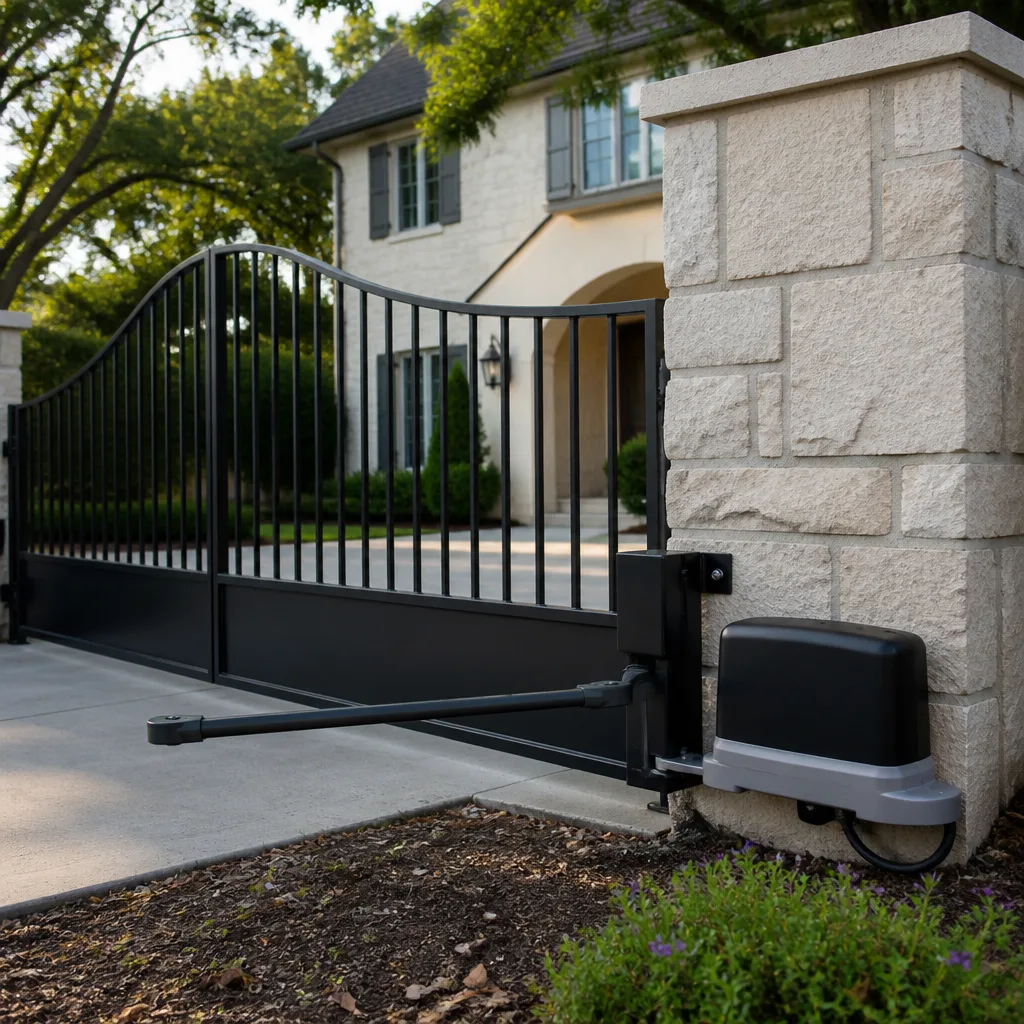 LiftMaster operators
Free on-site gate assessment - hinges, posts, and your LiftMaster or Nice gate operator checked before anything is quoted
The assessment is free and the quote is the invoice.
Get your free estimateGate Repair Maintenance Checklist for San Bernardino Homeowners
Most gate maintenance guides tell you to lubricate the chain and call it a day. That advice, followed literally in San Bernardino, can do more harm than good. Petroleum-based grease on a property here attracts the fine silica dust that blows through the Inland Empire and turns into an abrasive paste inside your drive mechanism within about 90 days. The grit doesn’t just sit there; it grinds. So the checklist that keeps a gate alive in a mild-winter, high-UV, alkaline-soil climate looks different from the one written for a coastal town or a snowy suburb. This guide gives you the cadence, the component-by-component lubricant choices, the soil-movement measurements, and the pass/fail thresholds that actually matter for a San Bernardino gate.
Quick Answer
A San Bernardino homeowner should inspect their gate monthly (10-15 minutes), service moving parts quarterly (30-45 minutes), and do a structural and electrical check annually (1 hour). The single most important habit is using the right lubricant on the right component: dry PTFE on chains and tracks, silicone on rubber seals and photo-eye lenses, and lithium grease only on pivot points that won’t collect dust. Remove hard-water mineral buildup from hinges and rollers before it pits the metal, and measure swing-gate post lean twice a year with a level.
Styles & brands we work with
- Wrought iron
- Wood & steel frame
- Farm & ranch
- Sliding driveway gates
- LiftMaster operators
Table of Contents
- Why San Bernardino Gates Age Differently
- Lubricant Type by Component: Dry PTFE vs. Silicone vs. Lithium Grease
- Soil Movement Inspection Protocol for Swing Gates
- UV and Heat Degradation Checkpoints
- Hard-Water Mineral Buildup on Hinges and Rollers
- Monthly, Quarterly, and Annual Task Cadence
- Electric and Automated System Checks
- Common Mistakes to Avoid
- When to Call a Professional
- Frequently Asked Questions
Why San Bernardino Gates Age Differently
San Bernardino sits in a basin where three climate factors tag-team your gate hardware. The first is UV. Inland Southern California gets intense, year-round sun, and that sun is relentless on anything rubber, plastic, or insulation-wrapped. Photo-eye lenses cloud, wire insulation goes brittle, and rubber seals dry out and crack long before their rated service life. The second is soil. Much of the ground around San Bernardino is alkaline and shifts with moisture cycles. Clay-heavy soil expands when it’s wet and contracts when it dries, and that movement pushes and pulls on gate posts a little more each season. The third is temperature swing. Days here can move more than 60°F from morning low to afternoon high, which means metal components expand and contract daily. Bolts loosen, chains stretch, and welds work-harden.
Winters are mild, so you’re not fighting freeze damage. But that mildness has a downside: it removes the natural “reset” that a hard freeze gives hardware in colder markets. Nothing forces you to slow down and look at the gate. Dust, sun, and soil do their work quietly, and the first sign of trouble is often a gate that suddenly won’t latch or an operator that trips a breaker. If your system is already automated, our electric gate repair team sees the results of skipped maintenance every week: control boards cooked by heat, photo eyes blinded by dust, operators straining against a track system that hasn’t been cleaned in years.
This checklist is built around those three forces. Every interval and every threshold below exists because of how a gate in San Bernardino actually wears.
Lubricant Type by Component: Dry PTFE vs. Silicone vs. Lithium Grease
Getting the lubricant wrong is the most common self-inflicted gate failure we see. The rule of thumb: match the lubricant to whether the component is exposed to airborne dust. Components out in the open get a dry, non-tacky film. Components tucked away and under load get grease. Here’s where each belongs.
Dry PTFE (polytetrafluoroethylene) spray
- Chains on slide gates and chain-drive operators. A dry PTFE film lubricates without leaving a sticky surface, so silica dust blows off instead of packing in.
- Slide-gate tracks and guide rollers. PTFE keeps the track slick while staying dry enough to sweep clean.
- Exposed hinge pins on gates that sit in the open. A thin PTFE film is enough.
Silicone spray
- Rubber seals and weatherstripping on the gate frame and operator housing. Silicone keeps rubber supple and slows UV cracking.
- Photo-eye lenses and reflectors. A light silicone coat helps dust and water bead off without distorting the beam.
- Plastic bushings and nylon guides inside the operator. Silicone won’t attack plastics the way some petroleum products can.
Lithium grease
- Pivot points and hinge barrels that are shielded from direct dust, such as hinges recessed into a post cap.
- Operator gearboxes that specify grease. Follow the operator manual exactly.
What you should never do is coat a chain or an exposed track in petroleum grease. In San Bernardino that grease becomes a dust magnet, and the grit that collects turns the grease into an abrasive paste. Ninety days of that and you’re looking at accelerated chain wear. The same logic applies to the specific brand you own. A BFT or Linear operator has its own lubrication points and its own recommended products, and following the brand’s spec matters more than any generic advice. That’s the difference between a specialist and a guess: we know each brand’s logic. No matter which brand you have, the checklist below works, but the lubrication spec should come from your operator’s manual.
Soil Movement Inspection Protocol for Swing Gates
Swing-gate posts move. That’s normal. What matters is how much and how fast. Alkaline, clay-heavy soil around San Bernardino shifts with wet and dry cycles, and a post that was plumb when installed can lean over a few seasons. Catching the lean early is a simple repair. Ignoring it turns into a gate that drags, a hinge that distorts, and eventually a post that needs to be reset in new concrete. Here’s the protocol.
- Set a baseline. Place a spirit level vertically against the hinge-side post face. Note the bubble position, or better, photograph it. Do the same for the latch-side post. Store the photos on your phone with the date.
- Repeat twice a year. Early spring and early fall work well, catching the gate after winter rains and after the dry season.
- Measure the gap, not just the bubble. Note the gap between the gate frame and the post on both the top and bottom hinge. An even gap means the post is square to the gate. A top gap noticeably wider than the bottom gap means the hinge post is leaning.
- Check the latch alignment. The latch should engage without force. If you find yourself lifting or pushing the gate to latch it, the posts have moved relative to each other.
- Watch the concrete. A crack ring around the post base, or soil pulling away from the footing, is a sign the ground is moving.
When the number means immediate repair
Use these thresholds as a pass/fail guide, not a substitute for a professional look:
- Under 1/8 inch of lean: monitor. Note it and check again in six months.
- 1/8 to 1/4 inch of lean: schedule a service call. The post is moving but the gate is still operating safely.
- More than 1/4 inch of lean, or lean that’s progressed in under six months: stop operating the gate. The hinge is likely carrying load it wasn’t designed for, and the post or hinge can fail suddenly.
If your gate swings unevenly at the end of a rainy winter in San Bernardino, that’s the signal. Post movement is one of the most common reasons we get called for gate repair, and it’s one of the easiest to prevent with a two-minute check twice a year.
UV and Heat Degradation Checkpoints
The San Bernardino sun is hard on the parts you can’t see by glancing. Insulation, rubber, and plastic degrade silently, and by the time they fail you’ve got a dead operator and a service call. Walk these checkpoints quarterly, and always after a heat wave.
Wiring insulation
- Look along every exposed wire run from the operator to the control box and along the gate arm. The insulation should be flexible and matte. If it’s chalky, cracked, or flakes when you flex it gently, it’s UV-degraded and it needs to be replaced before it shorts.
- Check where wires enter the operator housing. That’s a pinch point and a common spot for cracking from thermal cycling.
- Look for sun-bleached sections especially on wire that runs along a fence line or across open ground.
Rubber seals and gaskets
- The operator housing gasket should be soft and continuous. If it’s cracked or separated, dust and moisture are getting inside, and heat accelerates the damage.
- Check any rubber stops or bumpers on the gate arms and frame. Hard, cracked rubber isn’t absorbing impact anymore.
- Photo-eye rubber hoods are notoriously UV-fragile in San Bernardino. If the hood cracks and falls off, the lens is fully exposed.
Photo-eye lenses
- Clean with a soft cloth and a little silicone spray quarterly. Dust haze on the lens is a leading cause of “the gate won’t close” calls, because the beam can’t pass through.
- Look for clouding or yellowing of the plastic itself. UV turns clear polycarbonate hazy, and no amount of cleaning fixes that. If the lens is hazy, the eye needs replacement.
- Confirm both eyes are aimed squarely at each other. Sun angle changes with the season and can cause nuisance tripping on a cloudy lens.
One more checkpoint: the controller board inside the operator housing. Even with the case sealed, heat cycling inside the box is real. If the board area shows dust accumulation or the terminal screws are loose, address it. On DoorKing, Linear, and LiftMaster systems, board-level failures often trace back to heat and dust that a quarterly look would have caught.
Hard-Water Mineral Buildup on Hinges and Rollers
San Bernardino water runs hard, and if any part of your gate routine involves a garden hose or a sprinkler that overshoots, mineral scale is going to build up. Scale on moving parts looks like a white or gray crust. On hinges, it packs into the barrel and around the pin. On rollers and tracks, it forms a rough film that grinds the finish off. Left alone, scale pits the metal and grabs dirt, which accelerates wear.
How to identify it
- White, chalky, or crusty deposits on hinge barrels, roller surfaces, or track edges.
- Stiff movement that improves when you clean the part and returns within weeks.
- A rough texture on metal that used to be smooth.
How to remove it safely
- Dry-brush the loose crust. A stiff nylon brush is enough. Don’t use steel wool on painted or coated surfaces; it scratches and creates places for rust and scale to cling.
- Wipe with a mild acid solution if the scale is stubborn. A diluted white vinegar solution works for most household-level scale. Don’t soak; wipe and quickly clean off.
- Dry the part fully. Scale removal leaves bare metal that will re-scale if it stays wet.
- Re-lubricate per the component. Hinges that were exposed to the scale get dry PTFE; rollers and tracks get PTFE; seals get silicone. Never layer grease over a cleaned hinge that’s open to dust.
Prevention coating
Once the part is clean and dry and you’ve applied PTFE, the film itself does most of the prevention work. Keep sprinklers from hitting gate hardware where you can, and if the gate runs along a planter bed that gets heavy watering, check hinges more often. On a Ghost Controls or Viking system where the operator sits low and close to landscaping, this matters. A quarterly PTFE touch-up costs minutes. A hinge replacement costs a service call.
Monthly, Quarterly, and Annual Task Cadence
You can calendar this. Here’s what to do and how long it realistically takes. Do the monthly tasks on a Sunday morning, ideally the same weekend each month, so it stays a habit rather than a reaction.
Monthly (10-15 minutes)
- Walk the gate swing or slide path and look for anything new: debris, cracked seals, curious noises. Two minutes.
- Clean photo eyes with a soft cloth. One minute.
- Test the safety reverse on automated gates. Trigger the eye by hand and confirm the gate stops or reverses. One minute.
- Listen to the operator. A healthy one runs at a steady pitch. Grinding, clicking, or a motor that sounds strained is a call-the-specialist signal. One minute.
- Eyeball the latch and hinges for scale, rust, or looseness. Five minutes.
Quarterly (30-45 minutes)
- Clean tracks and guide rollers of dirt and scale. Ten minutes.
- Apply PTFE to chains and tracks, silicone to seals and lenses. Ten minutes.
- Check wiring insulation visually along the run. Five minutes.
- Inspect rubber seals and gaskets and replace anything that’s cracked. Five minutes.
- Tighten visible fasteners: hinge bolts, track bolts, latch screws. Five minutes.
Annual (about 1 hour)
- Full soil movement check with the level and baseline photos. Ten minutes.
- Full electrical inspection: wiring, control box interior, terminal tightness. Fifteen minutes.
- Operator service: grease the gearbox if the manual says to; check the manual override function. Fifteen minutes.
- Paint or refinish any rust spots on frames and posts. Ten minutes.
- Review the whole system with fresh eyes and note anything that’s changed since last year. Ten minutes.
That’s roughly 4 hours of attention a year to keep a gate in San Bernardino running clean. The alternative is a service call, and much of the work we do for Valor Gate Repair customers is exactly the maintenance they tried to skip.
Electric and Automated System Checks
Automated systems need everything above plus a specific look at the parts that carry voltage. This is where a specialist matters. A generalist handyman who works gates between fence and deck jobs likely won’t know that a Linear board behaves differently than a LiftMaster board when a photo eye fails, or that a DoorKing unit in a community entrance has its own access-hardware logic. We service nine brands because those specific behaviors are what make a diagnosis accurate. Here’s the electric checklist.
Safety systems
- Photo eyes: clean, aligned, and functional. Test monthly.
- Safety edges or sensors on the gate itself, if your system has them: confirm they stop or reverse the gate on light contact.
- Manual release: know where it is and test it. In a power failure, you need to know how to open your own gate.
Power and wiring
- Visual wire inspection for UV degradation, as above. Pay particular attention at the operator entry point and where the wire crosses from post to gate.
- Fuse or breaker check: know where the circuit is in your panel and confirm it’s rated correctly. Don’t put a bigger fuse in to “fix” a tripping issue; that’s a symptom of a real fault.
- Battery backup, if your operator has one: many automated gates in San Bernardino run on a battery backup for power outages, and batteries age. Check the terminal condition and follow the manual for testing.
Operator internals
- Control board: dust, corrosion, and heat are the enemies. Don’t open the housing to clean it unless you’re comfortable around live circuitry.
- Limit switches: the gate should stop cleanly at full open and full close. If it brakes hard or overshoots, the limit needs adjustment.
- Motor sound: as above, listen monthly.
Electrical work inside an operator or panel is genuinely dangerous. If you’re not trained in it, don’t open the housing. A licensed professional should handle any board-level work, wiring repair, or power run. Ask the city’s building department about permits for the work, and confirm the technician who shows up is licensed and insured. We work with some brands where the board is user-replaceable per the manufacturer’s manual (many Ghost Controls and Mighty Mule residential units fall in this camp) and others where it isn’t. When in doubt, call.
Common Mistakes to Avoid
- Greasing the chain or track. In San Bernardino, grease captures the airborne dust and turns into a grinding paste. Use dry PTFE instead. This single mistake shortens the life of more gates than any other.
- Pressure-washing hinges and rollers. It feels like it’s cleaning them, but it drives water and dust into every crevice. You get scale and corrosion faster. Wipe and re-lubricate instead.
- Ignoring small post lean. A quarter inch looks harmless; in alkaline soil that shifts with wet-dry cycles, lean tends to accelerate. Catch it at 1/8 inch and you save yourself a hinge and post job.
- Replacing a part when the real fix is cheaper. A gate that won’t close isn’t always a bad motor; it’s often a dirty photo-eye lens or a sagging gate that’s tripping the safety reverse. Brand-specific diagnostic knowledge prevents this, and it’s a big part of why we service nine brands instead of one.
- Skipping the annual electrical check. Wiring insulation and rubber seals degrade so slowly that you notice nothing until they fail during a hot spell. An hour once a year catches it early.
- Over-tightening bolts. Some fasteners on gate hardware need to allow movement. Tightening everything as hard as it goes distorts the hardware and stresses the gate frame. Follow the manufacturer’s torque spec where the manual gives one.
- Letting sprinklers hit the gate. Water overspray accelerates both scale and corrosion. Adjust the spray pattern or move the head; it’s a five-minute fix that saves months of wear.
When to Call a Professional
Some things are DIY and some aren’t. A dirty photo-eye lens, a loose hinge bolt, a fresh coat of PTFE: all yours. But there are specific situations where a trained gate specialist should be the one on site:
- Any electrical work inside the operator, control board, or main wiring. Live voltage is not a homeowner job.
- Post lean beyond 1/4 inch, or lean that progressed fast. Reset the post with proper concrete footing, don’t try to shim it.
- Motor or operator failures where the gate won’t run or trips a breaker. Brand-specific diagnosis matters.
- Safety system failures: photo eyes that won’t align, safety edges that won’t stop the gate, or a gate that reverses unexpectedly.
- Any gate that’s become a physical safety risk, including a slide gate that has come off its track or a heavy swing gate that has dropped on a hinge. A gate that has lost its proper seating can crush.
Valor Gate Repair offers free estimates in San Bernardino. Call (866) 389-3501. Our technicians have up to 13 years of experience and we service LiftMaster, FAAC, BFT, Linear, Viking, Ghost Controls, DoorKing, Elite, and Mighty Mule, so no matter which brand you have, we know it.
Frequently Asked Questions
Every three months is the baseline. That’s because San Bernardino’s dust and sun are so hard on lubricant films that oil and grease dry out or turn gritty faster than in milder climates. Use dry PTFE on chains and tracks, silicone on seals and lenses, and lithium grease only on shielded pivots. If your gate sits near a planter with a sprinkler, check monthly. Call (866) 389-3501 for an exact quote if you’d rather not do the work yourself.
Dry PTFE spray, not petroleum grease. This is the highest-impact advice on the whole checklist. Grease attracts the silica dust that blows across the Inland Empire, and within about 90 days it turns into an abrasive paste that eats chain and drive hardware. Dry PTFE lubricates without a sticky surface, so dust blows off and the chain stays clean. Reapply every quarter. If you’re not sure whether your operator’s manual specifies something else, that’s a good question for a specialist. Call (866) 389-3501 for an exact quote.
Alkaline soil plus wet-dry cycling. The clay-heavy soil around San Bernardino expands when wet and contracts when dry, and that pressure works on the post a little each season. Measure with a level twice a year. Under 1/8 inch is monitor-only; 1/8 to 1/4 inch is schedule-service; over 1/4 inch or rapid movement means stop using the gate and call. A post reset is far cheaper than a dropped heavy gate or a hinge replacement. Call (866) 389-3501 for an exact quote; estimates are free.
No. Control board work involves live voltage and requires knowledge of your operator’s specific logic. On a BFT, Linear, or LiftMaster board, a wrong connection can take out the board and leave you with a gate you can’t open. Clean and align the photo eyes, keep the housing sealed, and leave the board to a trained technician. Call (866) 389-3501 for an exact quote if your system needs board-level service.
Dry-brush the loose crust with a stiff nylon brush, wipe with a diluted white vinegar solution if it’s stubborn, dry the part completely, then apply a thin coat of dry PTFE. Don’t pressure-wash, and don’t use steel wool on painted or coated finishes. Preventing scale is mostly about keeping sprinklers off the hardware and touching up the PTFE film every quarter. If the scale has already pitted the metal or seized the hinge, the hinge may need replacement. Call (866) 389-3501 for an exact quote.
Four things: is the gate on the track correctly (no drop, no hesitation), are the photo eyes clean and aligned, does the operator have power at the breaker, and is the manual release working? If all four are fine and the gate still misbehaves, that’s a specialist job. Note the brand and model from the operator label so the technician comes prepared, and mention whether it’s automated. Call (866) 389-3501 for an exact quote; a free estimate sets the price before any work starts.
The Bottom Line
San Bernardino gates live under a specific set of pressures: intense UV, alkaline soil that shifts with moisture, and daily swings over 60°F. The checklist that works here is built around those conditions. Match the lubricant to the component (dry PTFE for chains and tracks, silicone for seals and lenses, lithium grease only on shielded pivots). Measure post lean twice a year with a level, and treat 1/4 inch as a stop-and-call threshold. Check wiring insulation, seals, and photo-eye lenses for UV degradation every quarter. Clean scale before it pits the metal. Do the monthly walk in ten minutes, the quarterly service in under an hour, and the annual in an hour more. That’s the whole discipline. When your system needs more than a checklist, the team at Valor Gate Repair is here. Call (866) 389-3501 for a free estimate. We answer 24/7. Fast dispatch, 7am-7pm, Sunday through Friday. The price is quoted and agreed before any work starts, and the written estimate sets the final price.
Written by the team at Valor Gate Repair.
See the difference
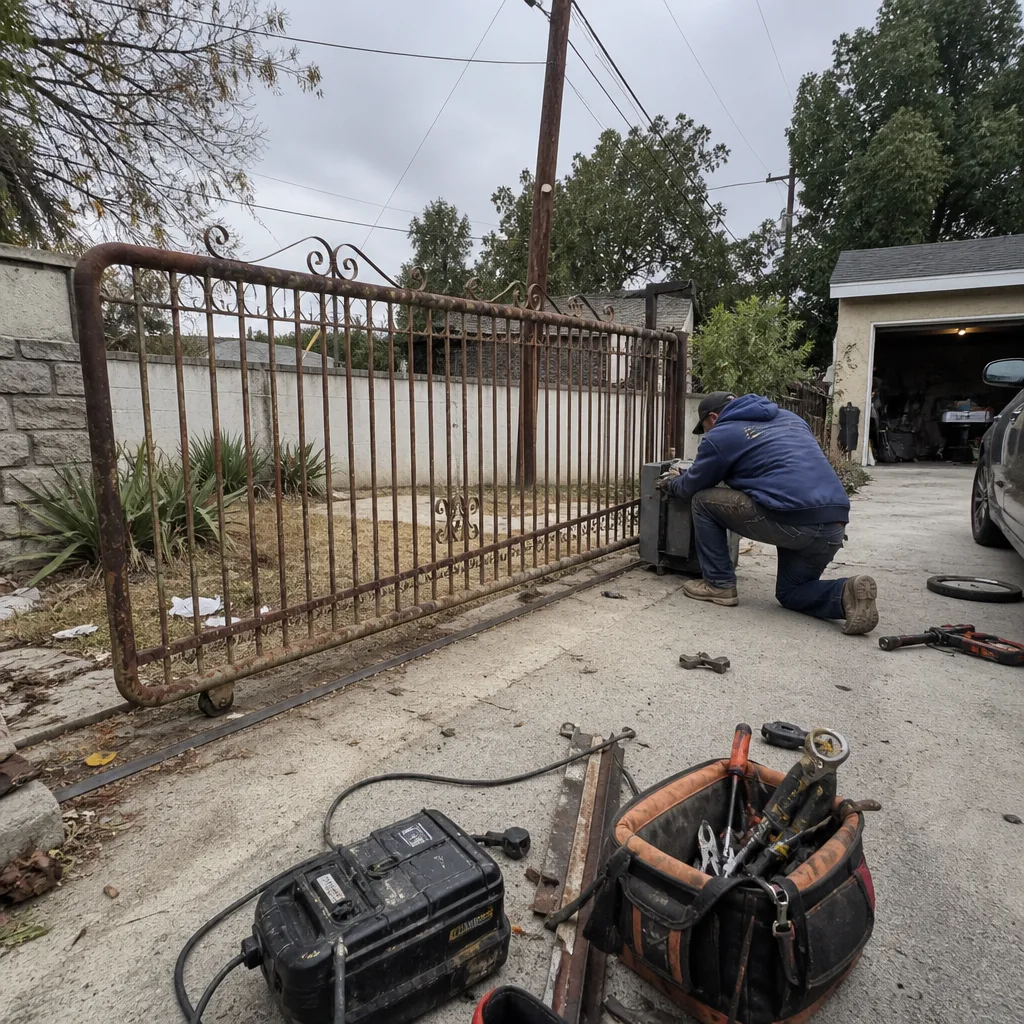 Before
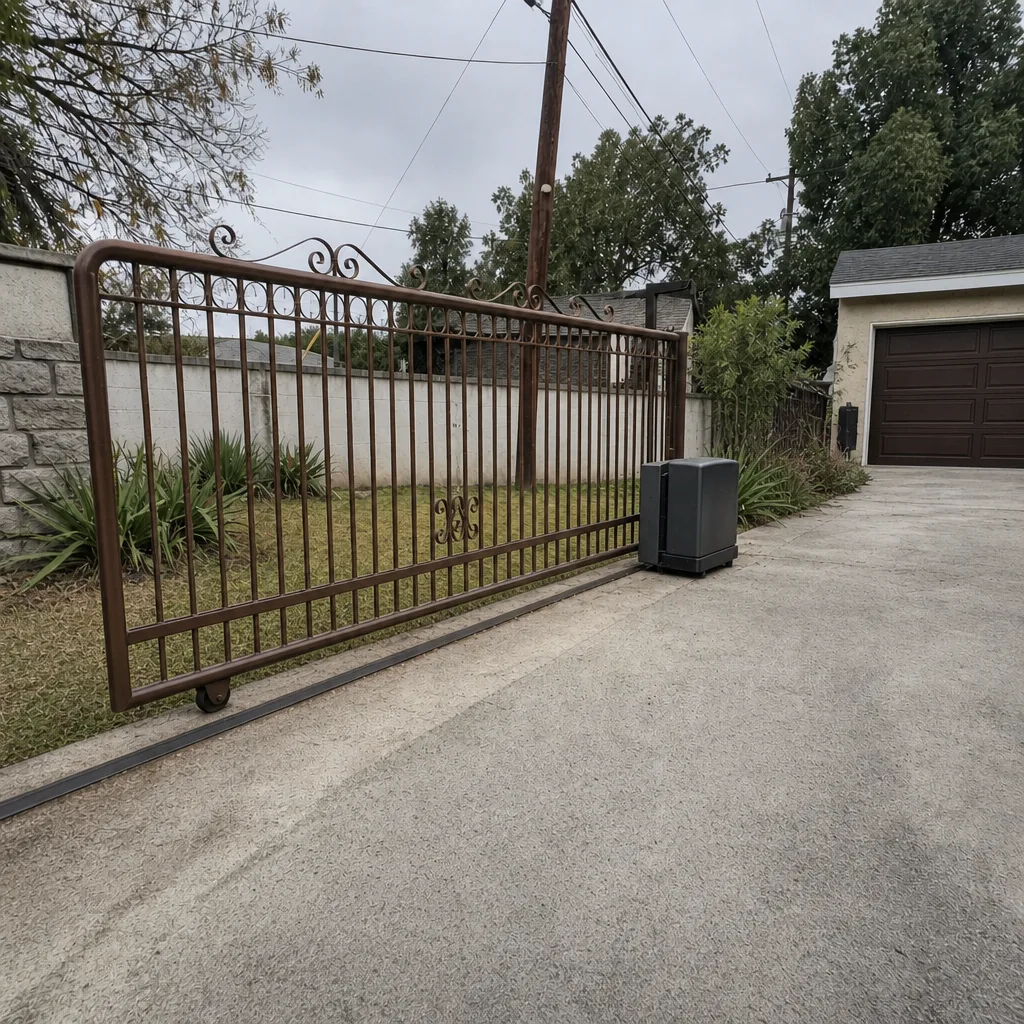 After
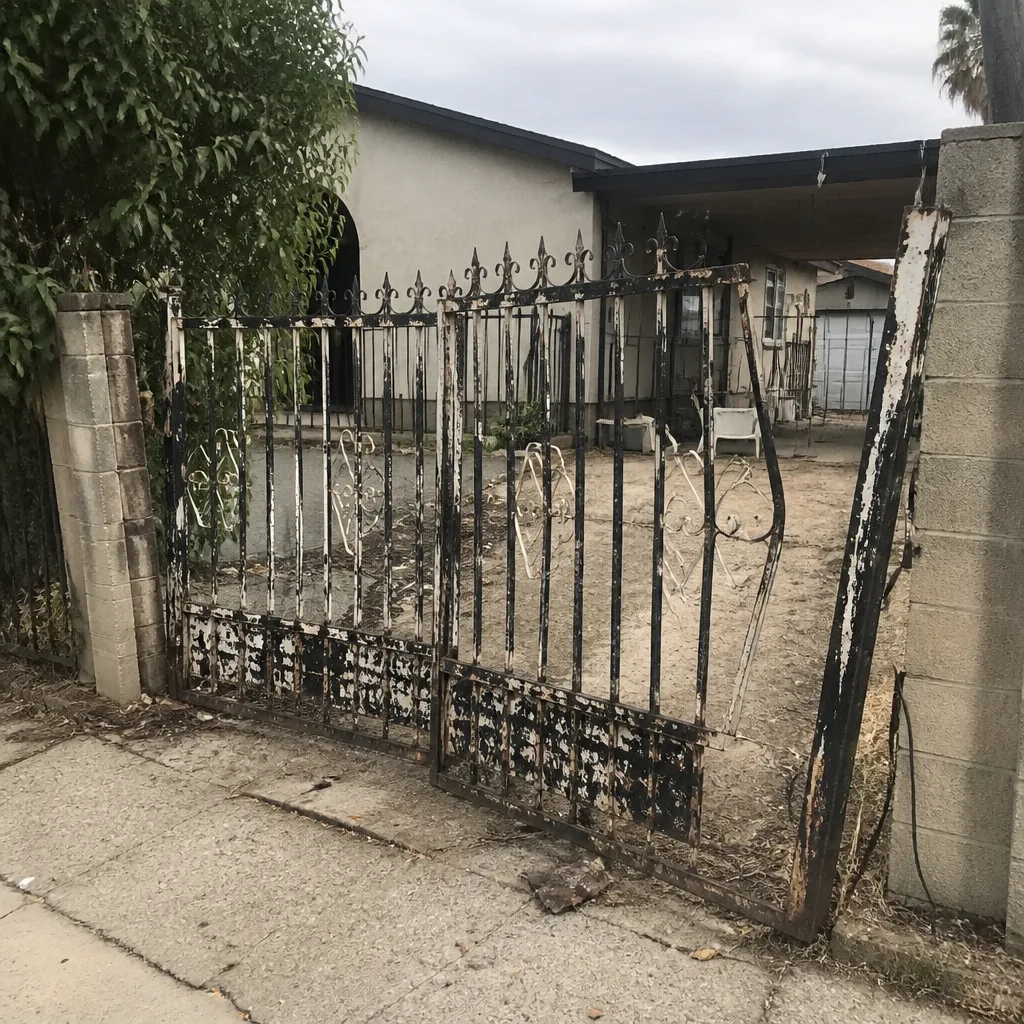 Before
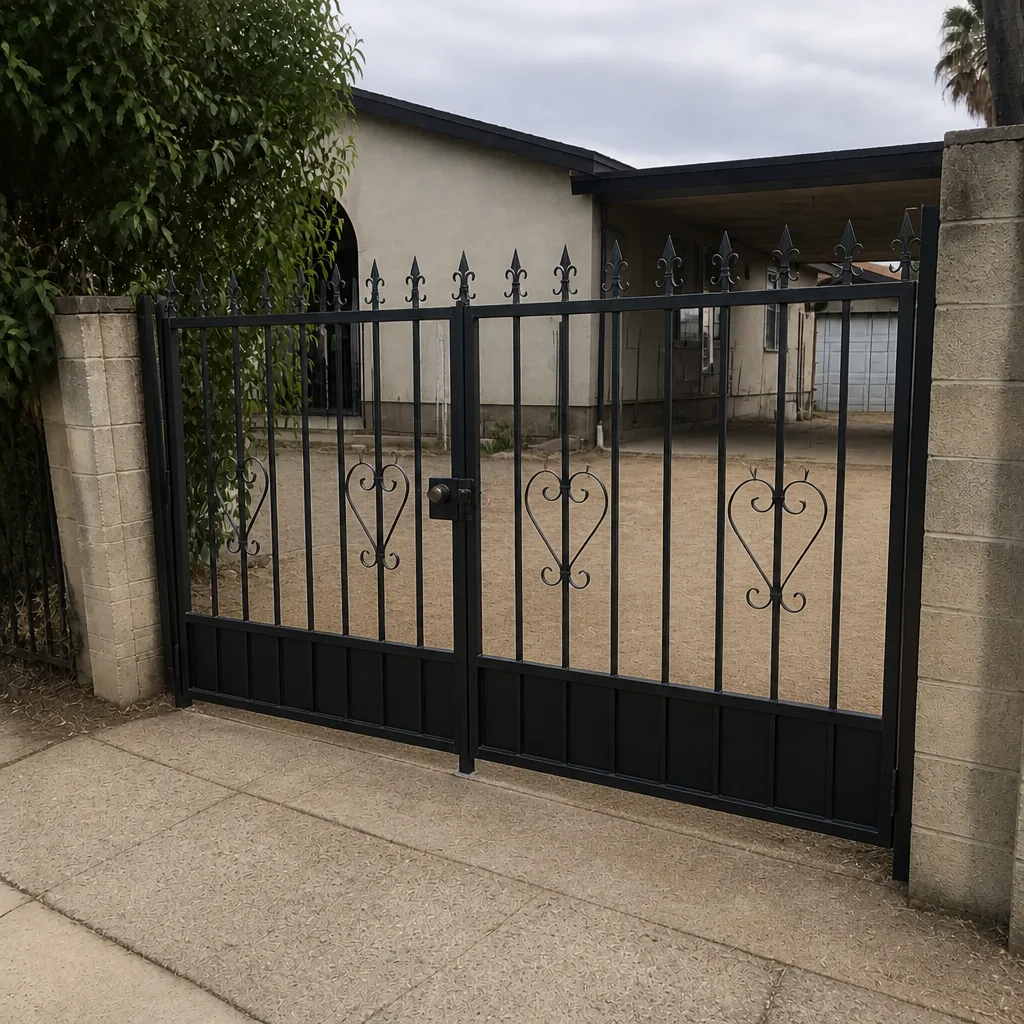 After
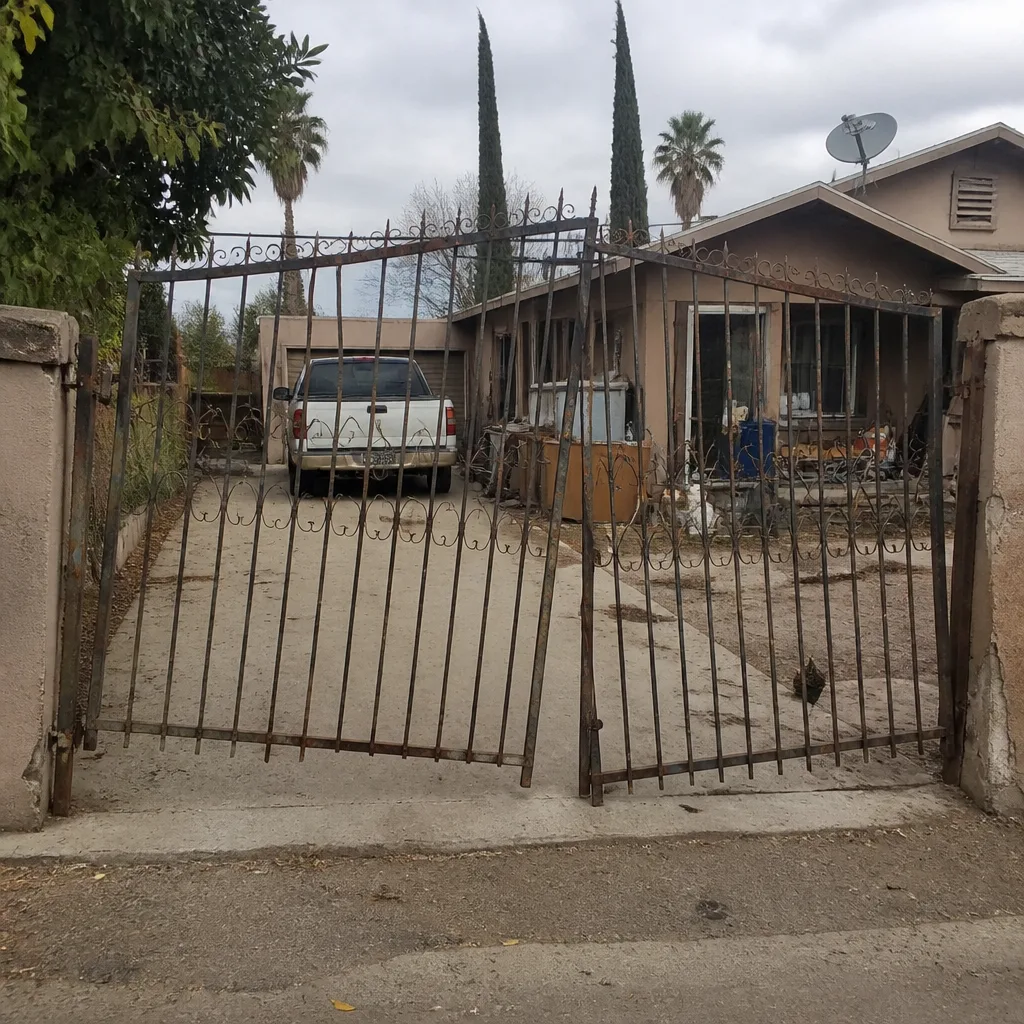 Before
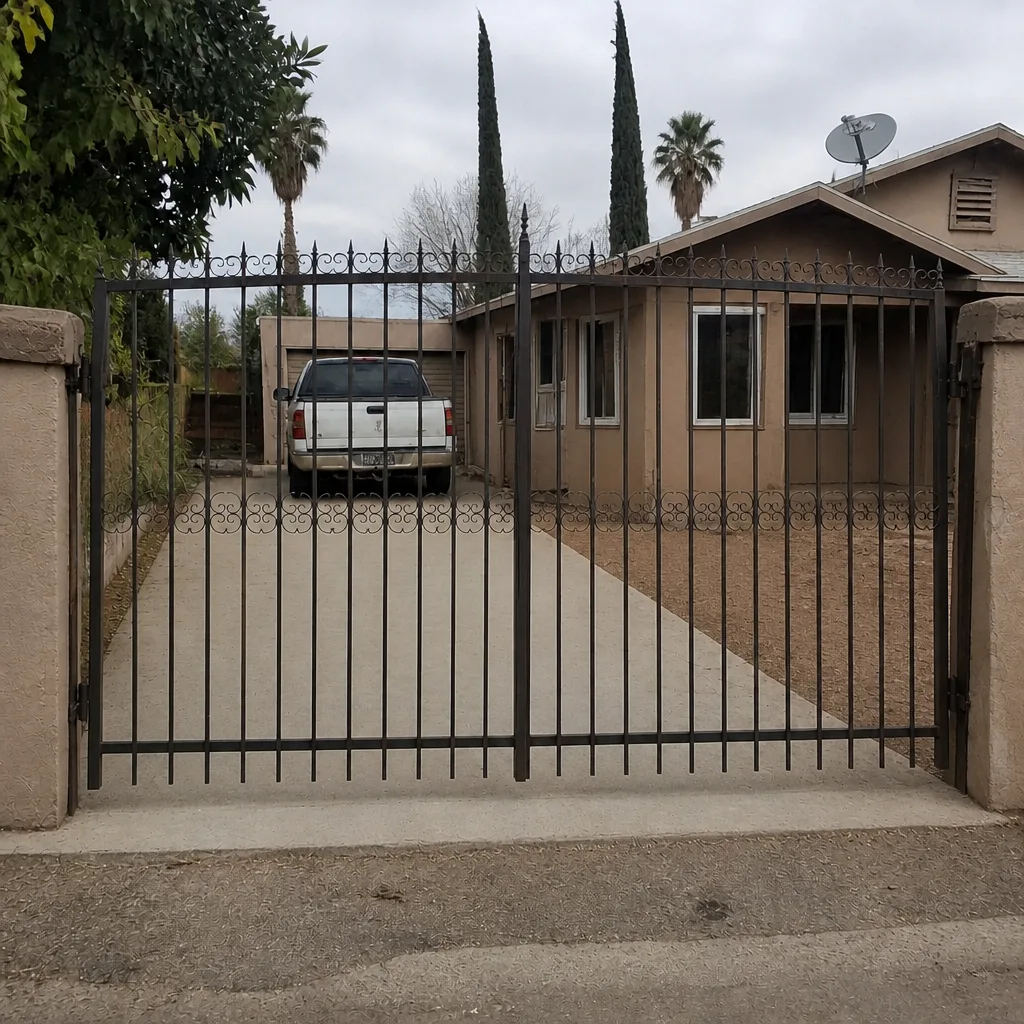 After