
Last updated November 16, 2026
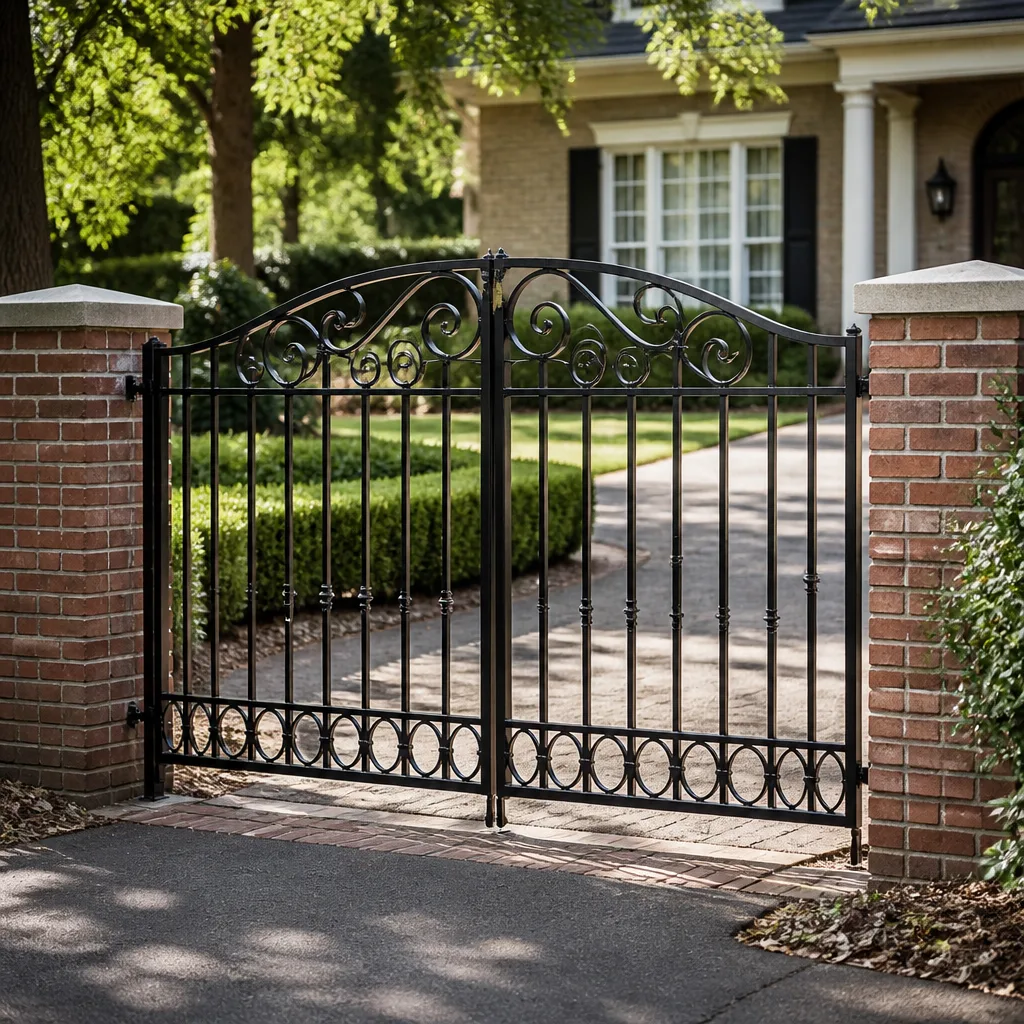 Wrought iron
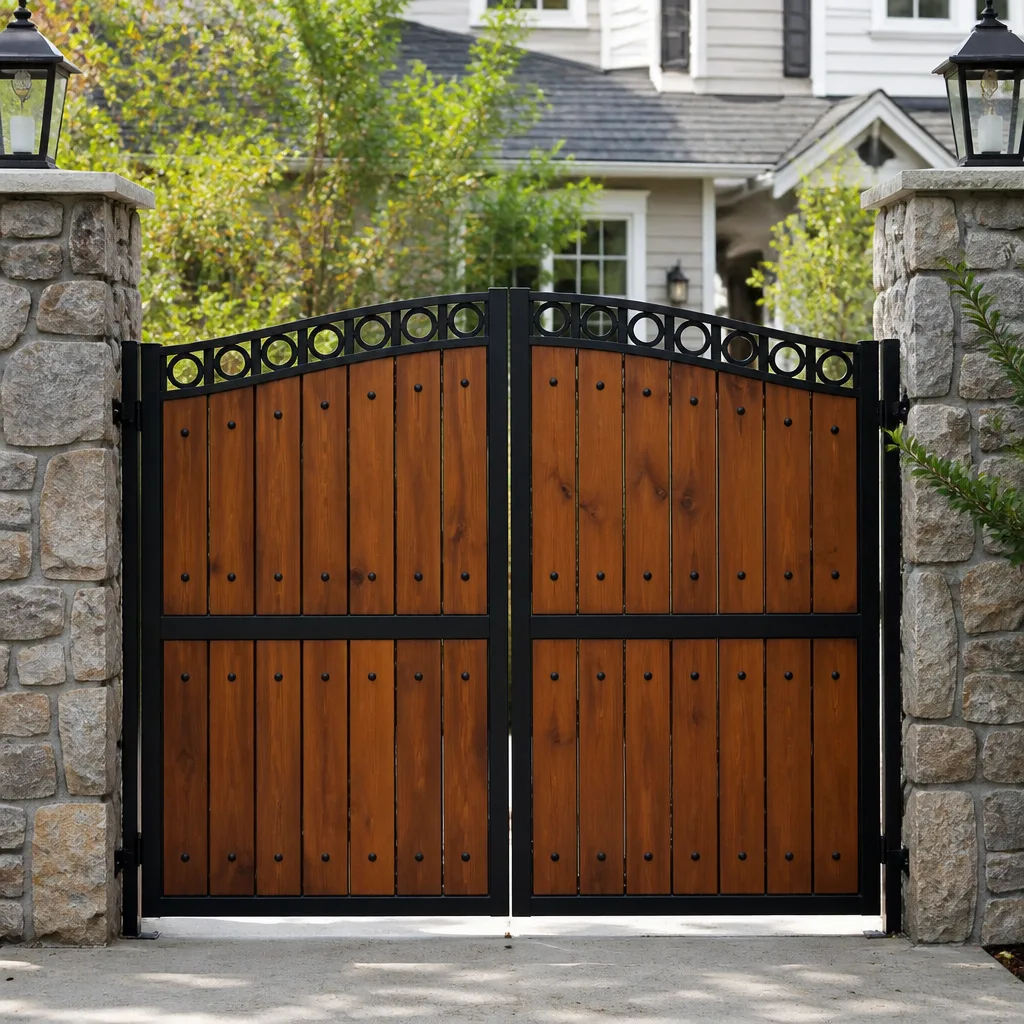 Wood & steel frame
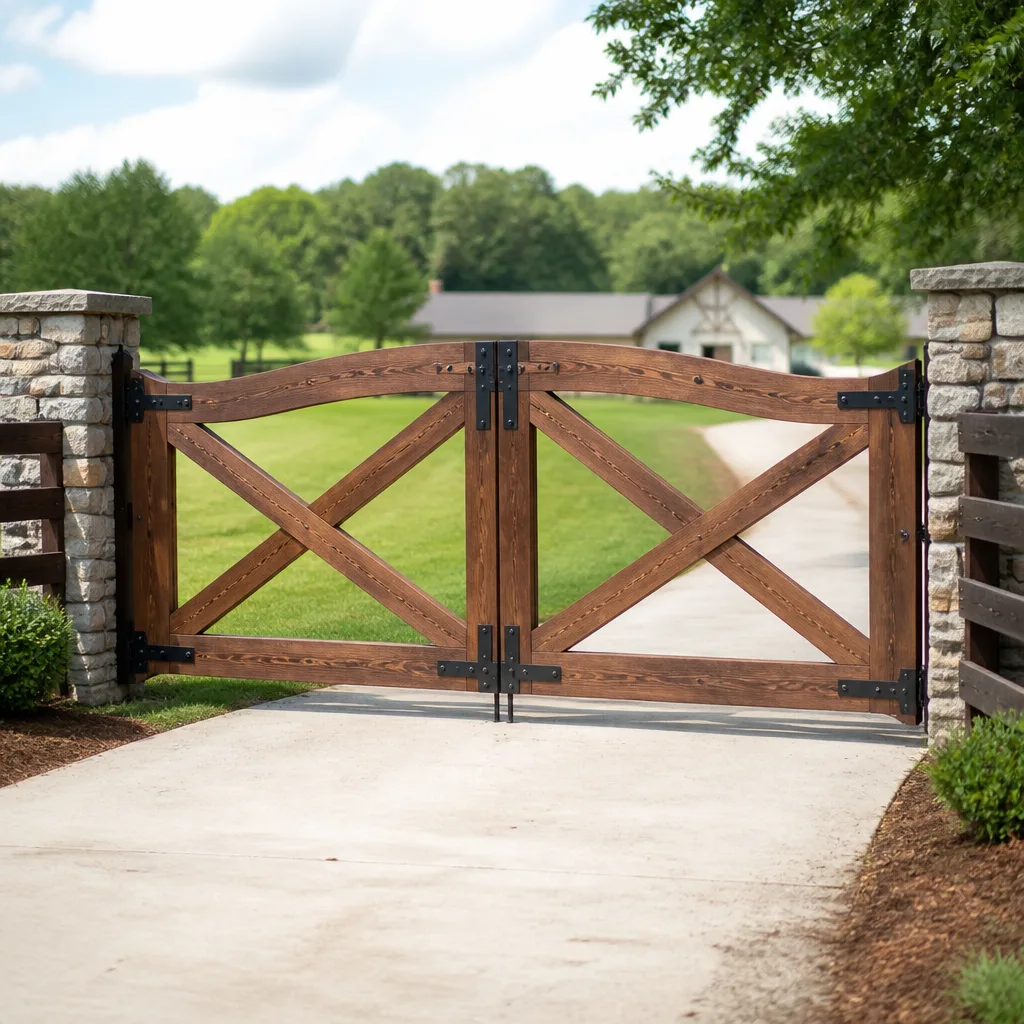 Farm & ranch
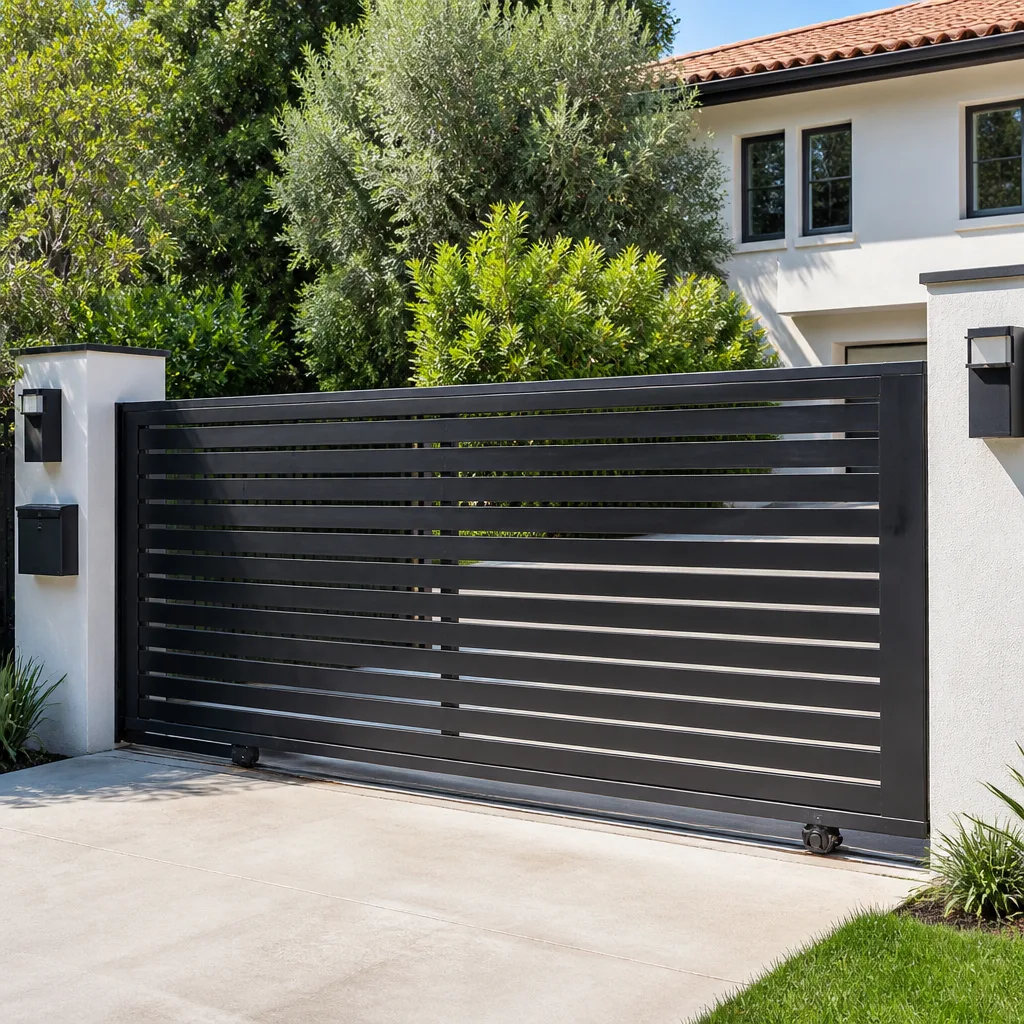 Sliding driveway gates
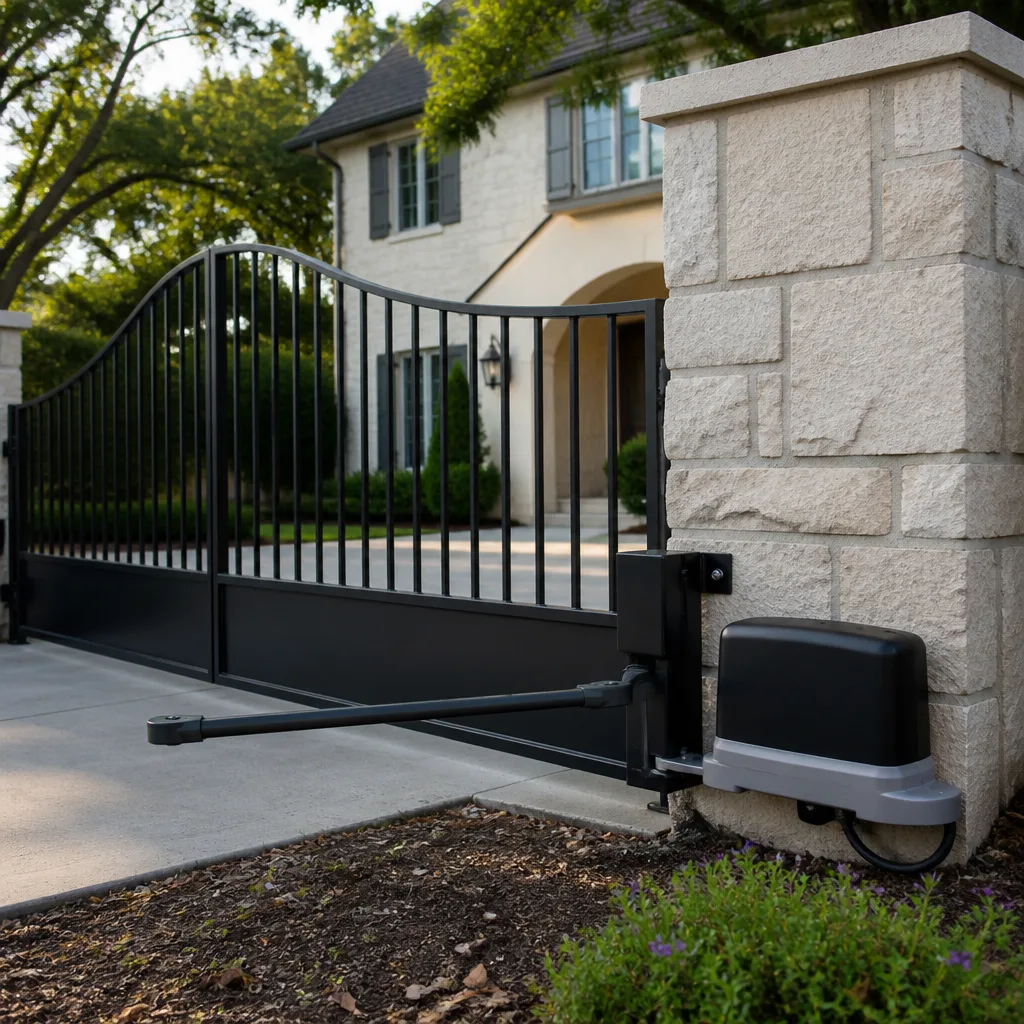 LiftMaster operators
Free on-site gate assessment - hinges, posts, and your LiftMaster or Nice gate operator checked before anything is quoted
The assessment is free and the quote is the invoice.
Get your free estimateThe Complete Guide to Gate Repair in San Bernardino
A gate that grinds open but won’t close isn’t a motor problem. Nine times out of ten it’s a limit switch that’s drifted out of position or an obstruction sensor that’s misreading, and replacing the motor won’t fix either one. That single misdiagnosis is where most wasted money in gate repair starts, and it happens because a symptom gets read as a part instead of a clue. In this guide we map the full repair landscape for San Bernardino properties: how to trace a symptom back to the component that actually failed, which failures the local heat, soil, and water make more likely, how repair scope changes across sliding, swing, and vertical pivot gates, and why brand-specific logic matters when two systems show the same symptom.
Quick Answer
Gate repair in San Bernardino works best when it’s component-first: you identify whether the motor, the control board, or the mechanical assembly failed before you price anything. Most gates that open but won’t close have a limit switch or sensor fault, not a dead motor. Getting that diagnosis right the first time is what separates a real repair from a patch that fails again.
Styles & brands we work with
- Wrought iron
- Wood & steel frame
- Farm & ranch
- Sliding driveway gates
- LiftMaster operators
Table of Contents
- Why Gates Fail in San Bernardino: The Real Causes
- The Component-First Diagnosis Framework
- How Repair Scope Differs by Gate Style
- Why Two Identical Symptoms Cost Different Amounts by Brand
- A True Repair vs. a Temporary Patch
- What to Check Before You Call
- Common Mistakes to Avoid
- When to Call a Professional
Why Gates Fail in San Bernardino: The Real Causes
Gate failures in San Bernardino follow patterns. The climate and the ground do most of the work, and the electronics take the blame. If you know what the local conditions do to a gate system, you can predict where a failure will start before it starts.
Heat is the number one stress on automated operators. San Bernardino summers push control boards, motor windings, and batteries well past the temperatures they were rated for. A board that would last years in a mild climate can start throwing faults in the heat, and the failure usually shows up as intermittent behavior: the gate works in the morning and stalls in the afternoon. Solar-powered operators and battery backup systems are especially exposed, because heat cuts battery capacity and shortens the service window between charges.
Caliche soil heave moves the gate itself. The dense, calcium-cemented soil layers under much of San Bernardino respond to moisture swings. When the ground swells and shrinks, gate posts shift. A post that moves even a fraction of an inch throws a sliding gate off its track alignment and changes the travel distance on a swing gate, which the operator reads as a fault. Owners often replace a perfectly good operator when the real problem is a post that needs resetting.
Hard-water corrosion attacks exposed hardware. The water in San Bernardino leaves mineral deposits. On gates, that means spray and sprinkler exposure crusts up hinges, rollers, guide rails, and limit switch contacts. Corroded limit contacts give false readings, which produce the classic “opens but won’t close” symptom.
Wind and dust foul the optics. Blowing dust collects on the reflectors and the photo-eye lenses that safety systems depend on. A dusty reflector looks like an obstruction to the sensor, so the gate reverses. This is one of the cheapest fixes in gate repair and one of the most frequently missed.
- Heat: board faults, motor stalls, battery capacity loss
- Soil heave: post shift, track misalignment, travel faults
- Hard water: crusted hinges, rollers, and limit contacts
- Wind and dust: fouled photo-eyes and dirty reflectors
We work on these systems every week across the area. If you want the plain-language rundown of what we handle, gate repair covers the full repair scope we bring to San Bernardino properties.
The Component-First Diagnosis Framework
Component-first diagnosis means you read the symptom, not the brand and not the price tag. Inside any automated or electric gate system, there are really only three categories that fail: the motor or operator, the control board and its logic, and the mechanical assembly. Getting the category right is 80% of the repair.
Here’s the sequence we use:
- Test the manual release. Free the operator and move the gate by hand. If it binds or drags while disconnected from power, the problem is mechanical. If it swings free, the problem is in the operator or electronics.
- Confirm power and voltage. A dead operator is often a tripped breaker, a bad transformer, a corroded control connection, or a solar panel that isn’t charging.
- Read the board’s fault indicators. Most modern control boards have diagnostic LEDs or a fault code readout. A brand-specific technician reads those codes to the manufacturer’s logic instead of guessing.
- Check the limit switches. Limit switches tell the board where the gate stops. Out-of-position or corroded limits cause open-but-won’t-close symptoms almost every time.
- Test the safety devices. Photo-eyes, safety edges, and loop detectors. A misread safety device stops the cycle, so the board sends the gate back.
- Inspect the mechanical side. Hinges, rollers, tracks, guide rails, and posts. Any drag, bind, or misalignment adds friction the operator has to overcome.
That order matters. If you skip straight to swapping parts, you replace good components and the symptom returns. Diagnose first, then price. This is the difference between a repair and guessing with your money.
How Repair Scope Differs by Gate Style
The type of gate you have changes the repair scope, the labor, and how long your gate is out of service. Some gate types carry heavy panels, and those are the ones where a repair should never be a quick patch.
Sliding gates. The most common type on San Bernardino driveways and commercial lots. The track, guide rollers, and the operator carriage take the load, so alignment is everything. When a sliding gate jumps the track, the fix is usually in the roller assembly or the track itself, not the motor. Sliding gates also present the most serious safety concern on the whole list: a heavy panel that comes off the track can crush whatever is under it. Never prop or force one back into place on your own.
Swing gates. The operator arm or underground operator does the work, and repair scope depends on whether it’s hydraulic or electromechanical. Hinge wear is the most underrated failure here. As hinges wear, the gate sags, the arm travel changes, and the operator throws faults that look electrical. Hinge inspection is where swing gate repair really begins.
Vertical pivot gates. The most complex and the most installation-sensitive of the three. The pivot assembly and balance are critical, and a repair on a pivot gate is rarely a simple swap: it’s a mechanical alignment job with a control calibration to follow. Operators on pivot gates are also where limit switch settings are most easily disturbed.
- Sliding gates: track alignment, roller wear, safety edge and photo-eye faults
- Swing gates: hinge sag, arm travel, hydraulic vs. electromechanical considerations
- Vertical pivot gates: pivot balance, travel calibration, control sensitivity
For electric operators on any of these gate types, the fix has to start at the wiring and the control logic. That’s where our electric gate repair work begins, including the power run and the safety devices that keep an automated gate operating safely.
Why Two Identical Symptoms Cost Different Amounts by Brand
Two gates can grind open and refuse to close and the repairs can cost very different amounts, because the brands fail for different reasons and the diagnostic path is different for each. This is why we learn each brand’s logic instead of treating all operators as the same.
LiftMaster systems like the LA500 are common on residential swing gates. LiftMaster boards are good at reporting their own faults through LED codes, and the common failures on its operators are limit switch drift and board-level diagnostics that a brand-specific reader can interpret quickly. A generic technician who doesn’t know the code readout will replace the board when the limit switch is the actual fault.
FAAC operators like the 740 are hydraulic, hydraulic units on swing gates. The failure pattern is different: hydraulic pressure and fluid levels come into play, and a slow or stalling gate is often an internal seal or hydraulic issue rather than anything digital. Repairing a FAAC is a different job than repairing a LiftMaster, even when the symptom on both is identical.
Mighty Mule and Ghost Controls are typically DIY-installed residential systems. Many problems come down to installation quality, wiring, and batteries rather than component defects. The repair sequence is different, and the warranty trail matters.
BFT, DoorKing, Elite, Linear, and Viking round out the systems we see, from commercial operators to access control hardware. Each has its own control logic, and each has parts and procedures that a generalist won’t have on hand. Our Valor Gate Repair specialists are set up around gate systems only, which is why we know the specific logic each brand uses.
The real reason a generic technician misdiagnoses a gate is that they’re guessing across brands. A brand-specific specialist doesn’t.
A True Repair vs. a Temporary Patch
Most gate repairs that fail within a year were patches. They fixed the symptom and left the cause. Knowing which is which keeps you from paying twice for the same problem.
A true repair returns the whole system to correct function and addresses the component that caused the failure. A temporary patch restores motion without correcting the cause, and it works for a while. The tell is usually in the diagnosis: if the technician only touched the symptom and didn’t test the rest of the system, you got a patch.
Here’s how to spot the difference:
- Was the root cause identified? A true repair names the failed part and verifies it. A patch restarts the gate and moves on.
- Were the safety devices tested? Photo-eyes, safety edges, and limits should all be checked and function-tested before the job closes. Skip that and you set up a failure.
- Was the mechanical side inspected? Hinges, rollers, tracks, and posts cause electrical-looking faults. If those weren’t checked, the fault will return.
- Was the post and alignment checked? This is especially important in San Bernardino, where caliche soil movement is a real factor.
- Was the quote written and agreed before work started? Upfront pricing protects the owner.
A patch usually costs less now and more later. A true repair costs once. The written estimate is where you see which one you’re being offered, and the final price is set by that written estimate.
What to Check Before You Call
A quick look before you dial saves time on the diagnosis. These checks cover the most common causes of gate faults, and many of them don’t require a technician.
- Test the manual release. Free the operator and try to move the gate by hand. If it binds or drags, it’s mechanical.
- Look at the photo-eyes. Clean the lenses and the reflectors. Dust is a real factor in San Bernardino, and dirty optics get read as obstructions.
- Check the breaker. Confirm the operator has power. A tripped breaker looks exactly like a dead board.
- Inspect the track and rollers. Debris, corrosion, or a jumped roller can stall a sliding gate.
- Note the fault indicators. Look for blinking LEDs or a code display on the board. Write down what you see before calling.
- Check the battery or solar panel. Age, heat, and shading all affect these, especially on battery backup systems.
Don’t attempt to work on the operator’s wiring, the power run, or any heavy panel assembly yourself. The fixed wiring of an electric gate is dangerous, and heavy slide and pivot panels can crush. A trained technician should handle anything that involves opening the control box or moving a heavy gate of the track.
Common Mistakes to Avoid
- Replacing the motor before testing the limit switch. Nine out of ten open-but-won’t-close faults trace back to limits or sensors. Swapping the motor is a waste of money when those are the cause.
- Ignoring the soil and the posts. Caliche movement shifts posts and throws off alignment. A brand new operator on a shifted post will keep faulting.
- Skipping the safety devices. Photo-eyes and safety edges are what make an automated gate safe. Ignoring them isn’t worth the risk, and it invites a repeat call.
- Assuming all gate brands repair the same way. A LiftMaster and a FAAC fail differently even with the same symptom. A generic technician guessed at this on a gate in San Bernardino and the owner paid twice for the same repair.
- Patting a slide gate back on the track. Heavy sliding gates can come off the track and crush. Never force one back into place on your own.
- Forgetting the heat and the dust. San Bernardino summers shorten board and battery life, and dust fouls the optics. Regular inspection catches both before they strand your gate.
- Accepting a verbal price. Get the estimate in writing and agreed before work starts. That’s the only price that counts.
When to Call a Professional
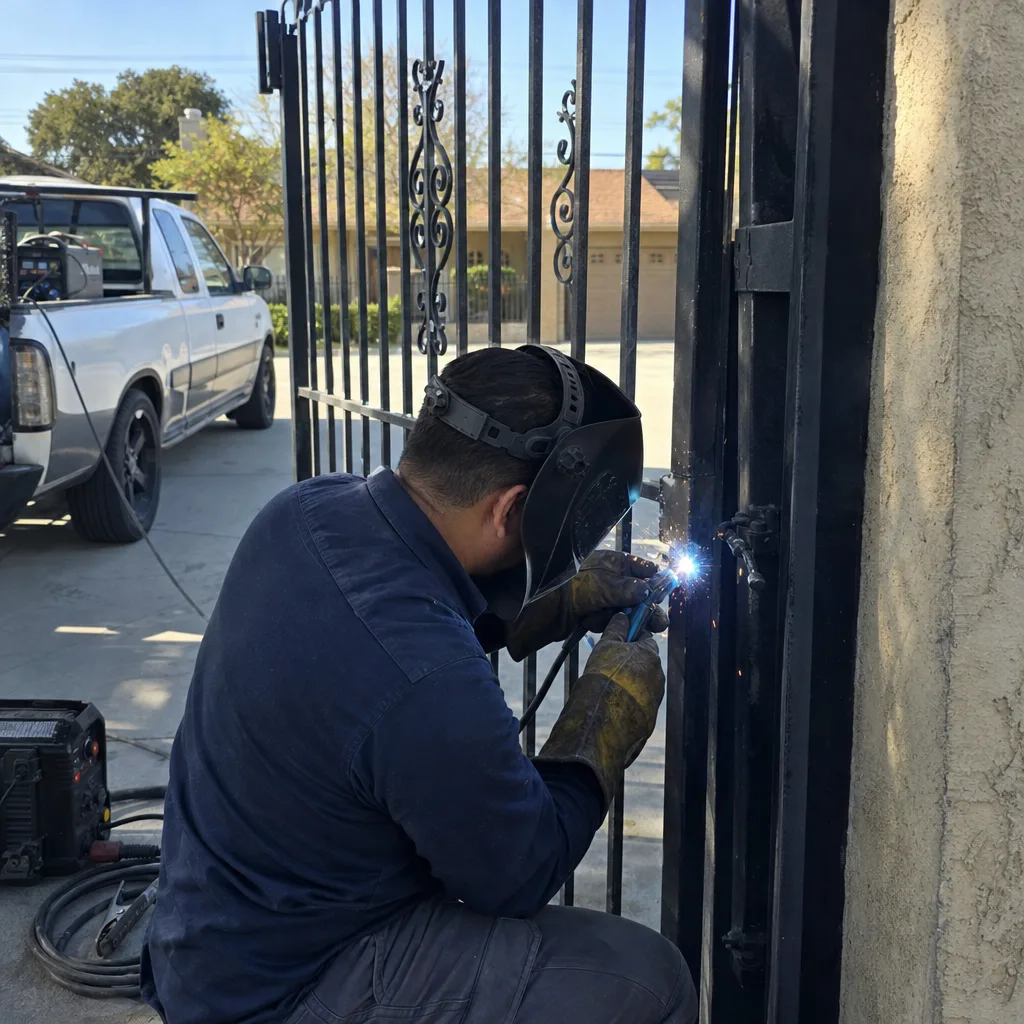
Some gate problems are safe to troubleshoot. Some aren’t. Call a trained technician for anything involving the control box, the fixed wiring, the safety devices, or a heavy panel assembly: those are the failures where an untrained repair becomes dangerous. Call us when your gate reverses without cause, opens but won’t close, jumps the track, stalls under load, or shows a fault code you don’t recognize. Call us before you replace an operator on a gate with a shifted post or a worn hinge; those are the repairs most often priced wrong. If your gate is electric, call us before touching the control board or the power run. San Bernardino properties deal with heat, soil movement, and hard water every year, so schedule a look when the pattern shifts. Valor Gate Repair offers free estimates in San Bernardino. Call (866) 389-3501. We answer 24/7. Fast dispatch from 7am to 7pm, Sunday through Friday.
See the difference
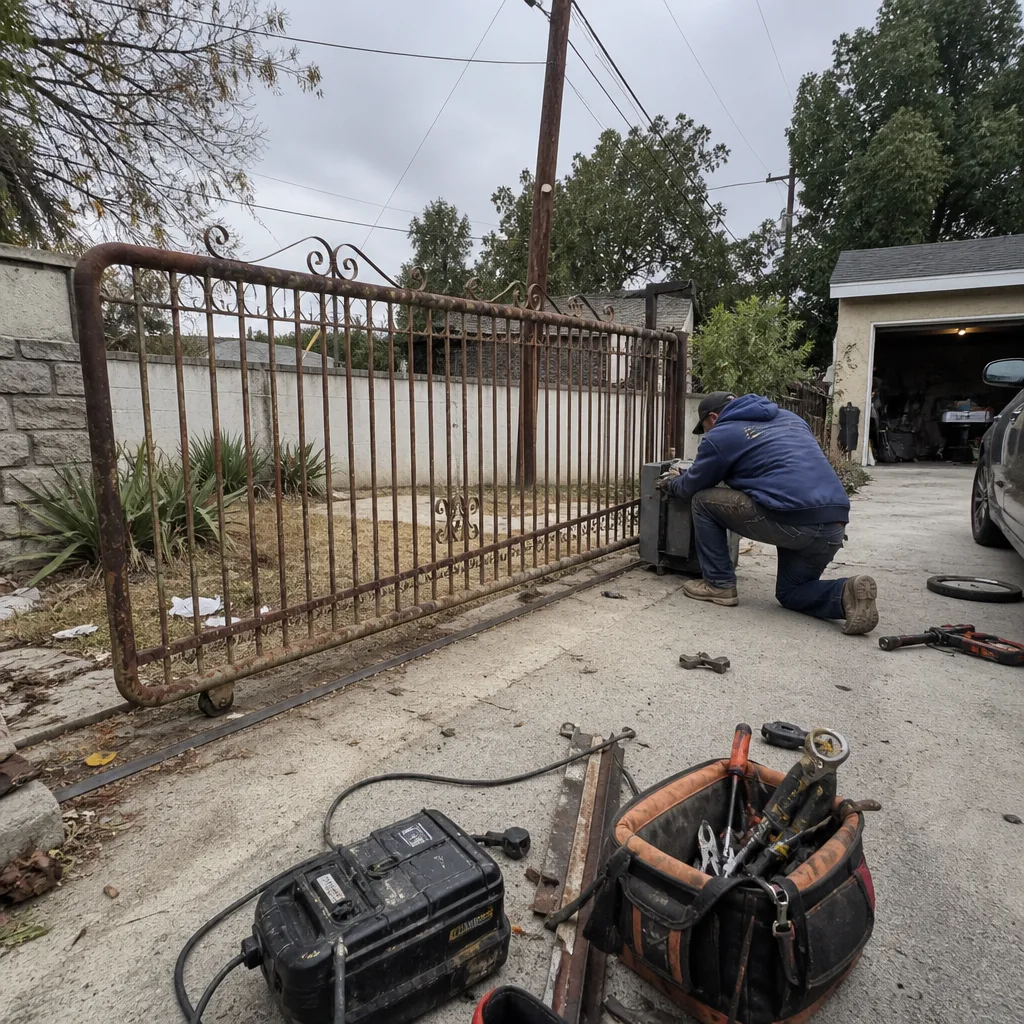 Before
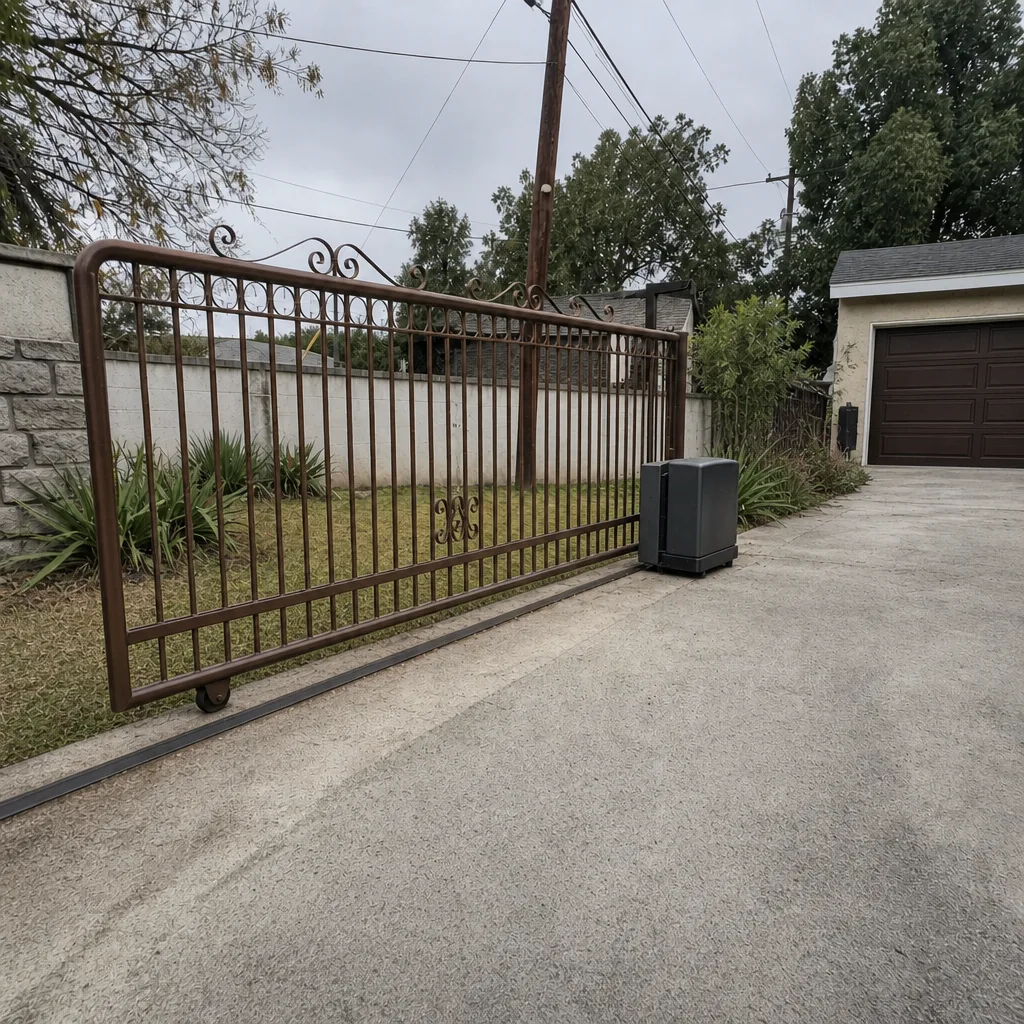 After
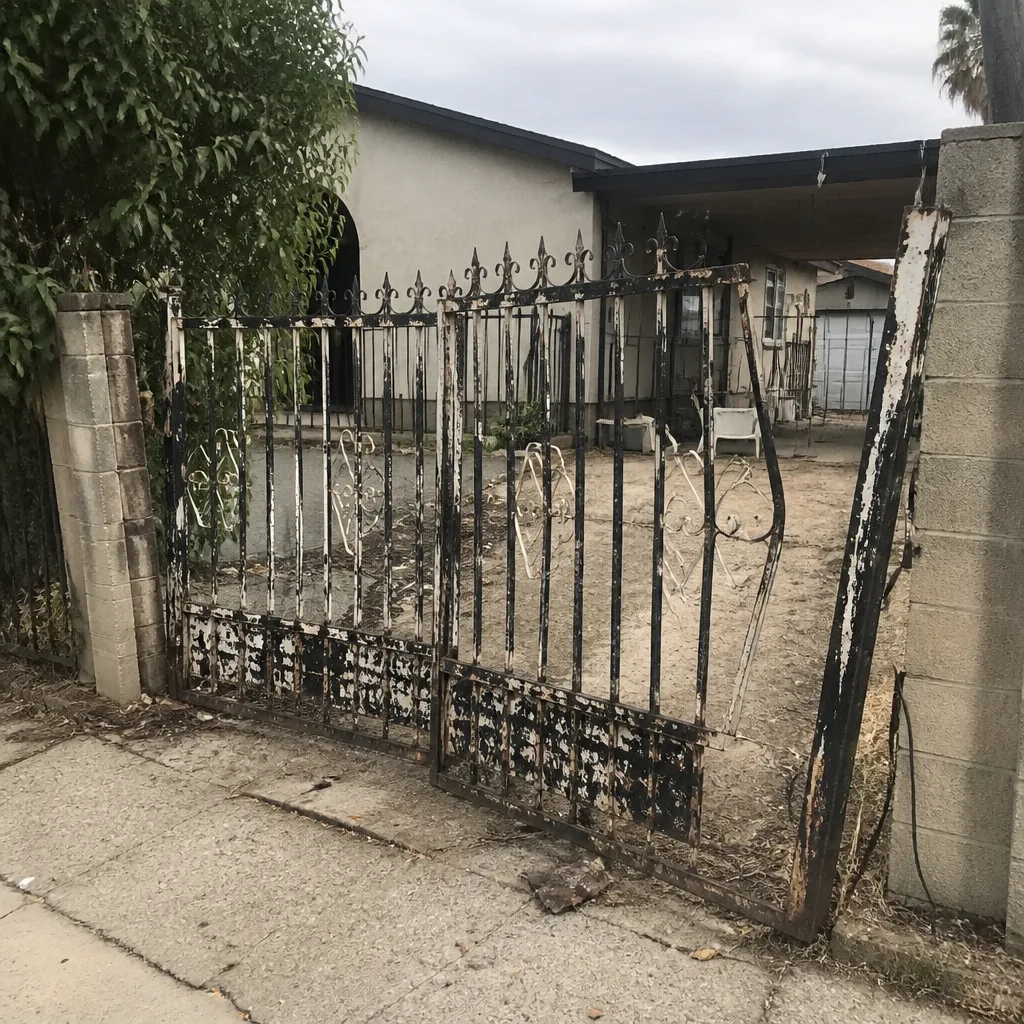 Before
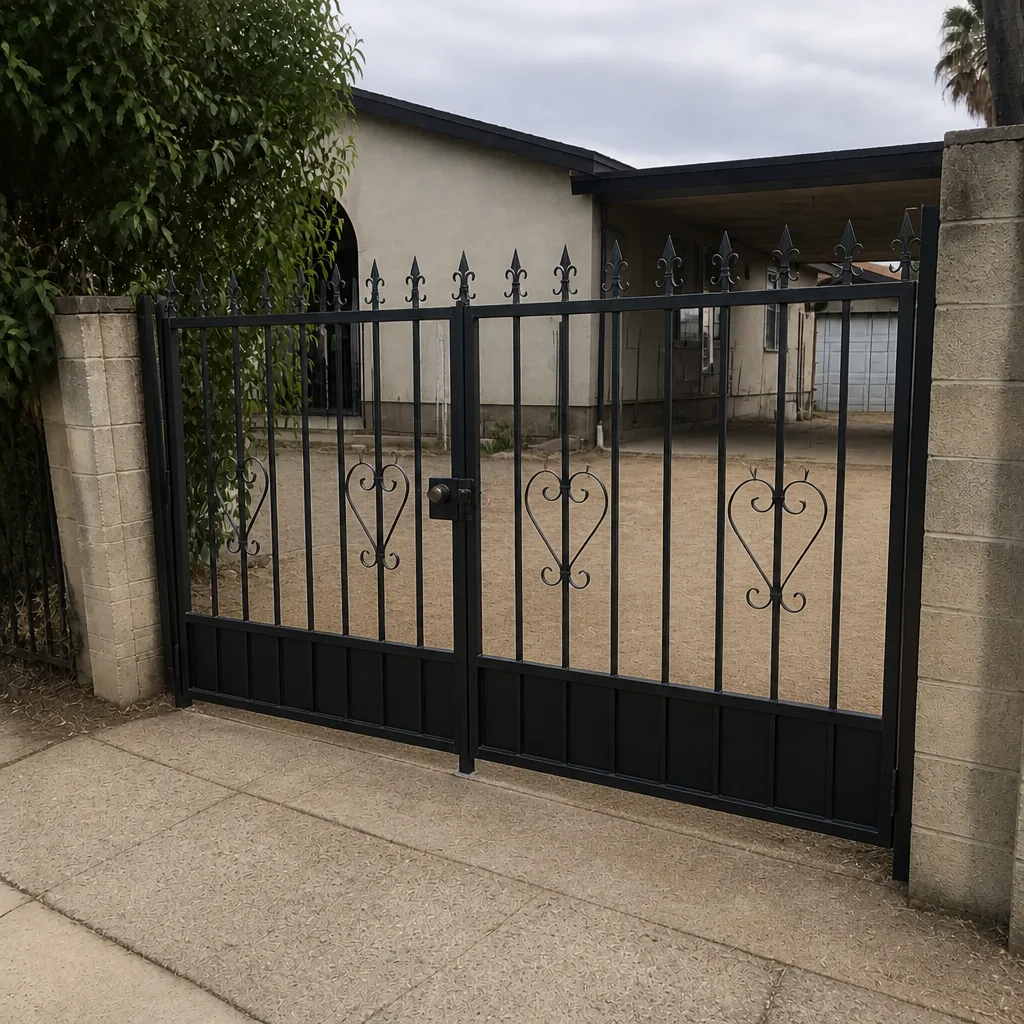 After
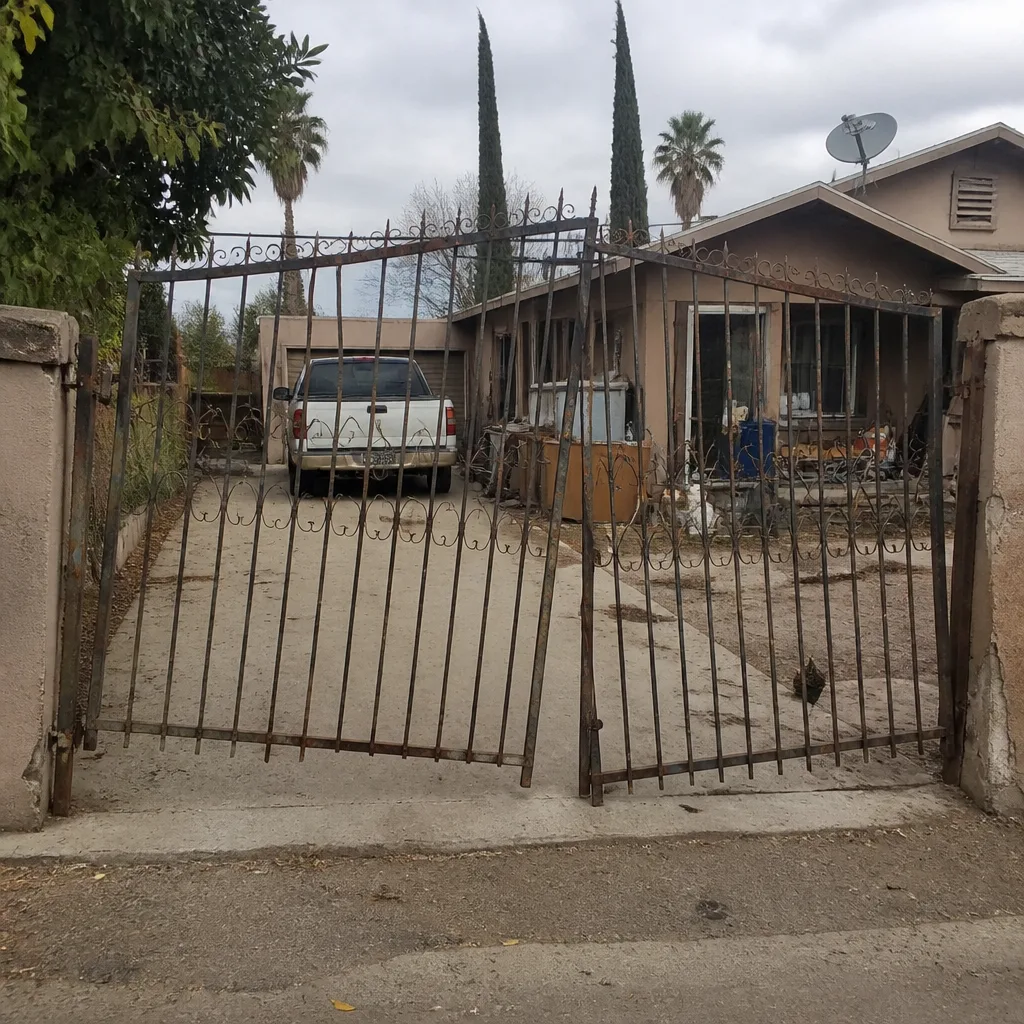 Before
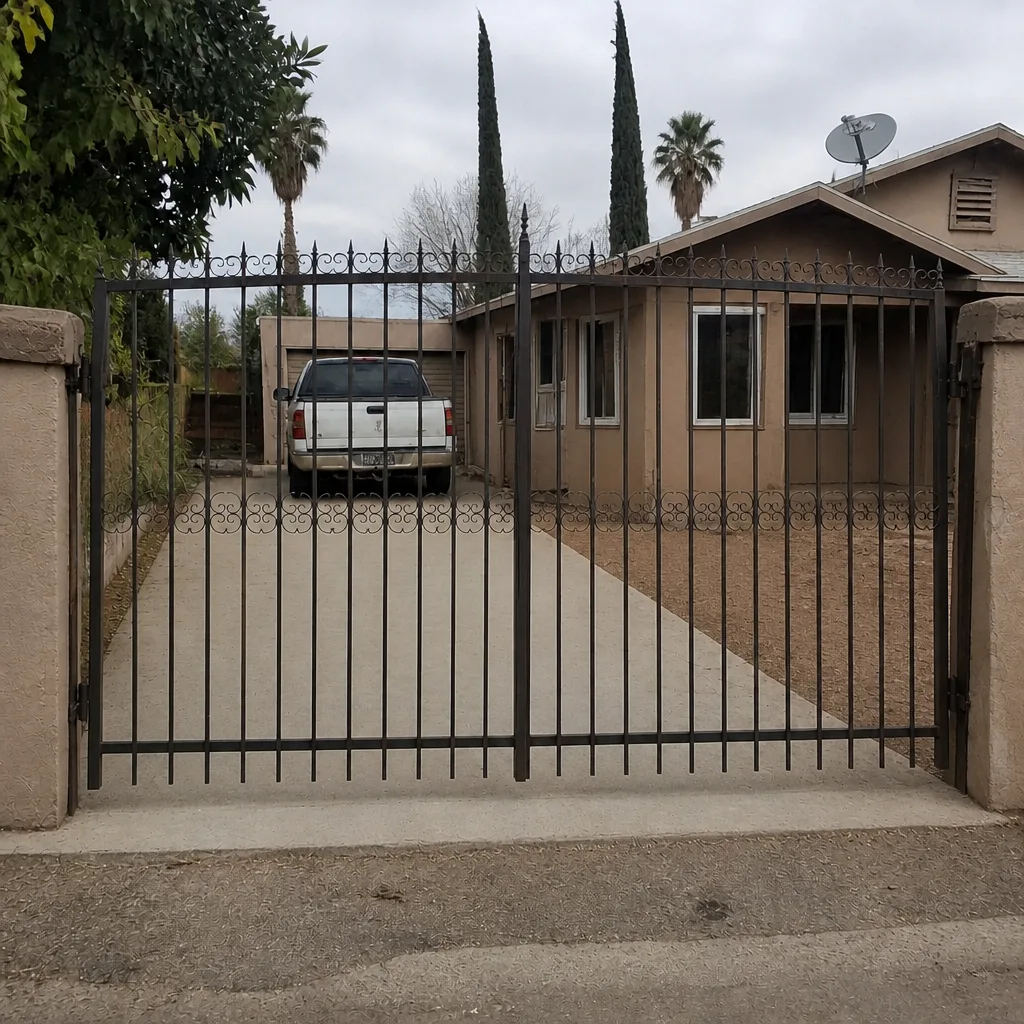 After
Frequently Asked Questions
It’s almost always a limit switch or a safety device, not the motor. The most common causes are out-of-position limit switches, misread photo-eyes, dirty reflectors, or a safety edge fault. A component-first inspection identifies which one it is, and a technician should test all three before quoting the repair.
Yes. High summer temperatures stress control boards, motor windings, and batteries, and heat-driven faults tend to be intermittent. A gate that works in the morning and stalls in the afternoon is a classic sign of a heat-related board or battery issue.
Usually a worn roller, a misaligned track, or a shifted post. Caliche soil movement under San Bernardino properties is a common cause of post shift, and that throws the whole alignment off. It’s a mechanical repair, not an operator repair.
Most repairs are handled in a single visit. The exact scope depends on the component, the gate type, and the brand, and a written estimate sets the price after the diagnosis. Repair on an automated operator is measured and scheduled, so the visit is planned rather than rushed.
We work on the largest systems in use, including LiftMaster, FAAC, BFT, Linear, Viking, Ghost Controls, DoorKing, Elite, and Mighty Mule. The point of that coverage is that you don’t get told “we don’t service that model.” A brand-specific diagnosis on a LiftMaster differs from one on a FAAC, and knowing that difference prevents repeat visits.
Yes, and the final price is set by the written estimate before work starts. Call (866) 389-3501. We answer 24/7. Fast dispatch from 7am to 7pm, Sunday through Friday.
The Bottom Line
Most gate failures in San Bernardino follow predictable patterns, and the smart money is on diagnosing the actual component that failed before any part gets replaced. Heat, caliche soil movement, hard water, and dust point to where a system will fail first. Sliding, swing, and vertical pivot gates each carry a different repair scope and different safety concerns. Brand-specific knowledge matters, because a LiftMaster, a FAAC, and a Mighty Mule fail differently even when the symptom on screen is identical. Component-first repair beats patching every time. That’s the core of our approach at San Bernardino, and we’d rather tell you which component failed than sell you a motor you don’t need.
Call (866) 389-3501 for a free estimate. We answer 24/7. Fast dispatch from 7am to 7pm, Sunday through Friday. The larger automated systems we install and service get a measured, scheduled appointment with a written, upfront price before any work starts.
Written by the team at Valor Gate Repair.